
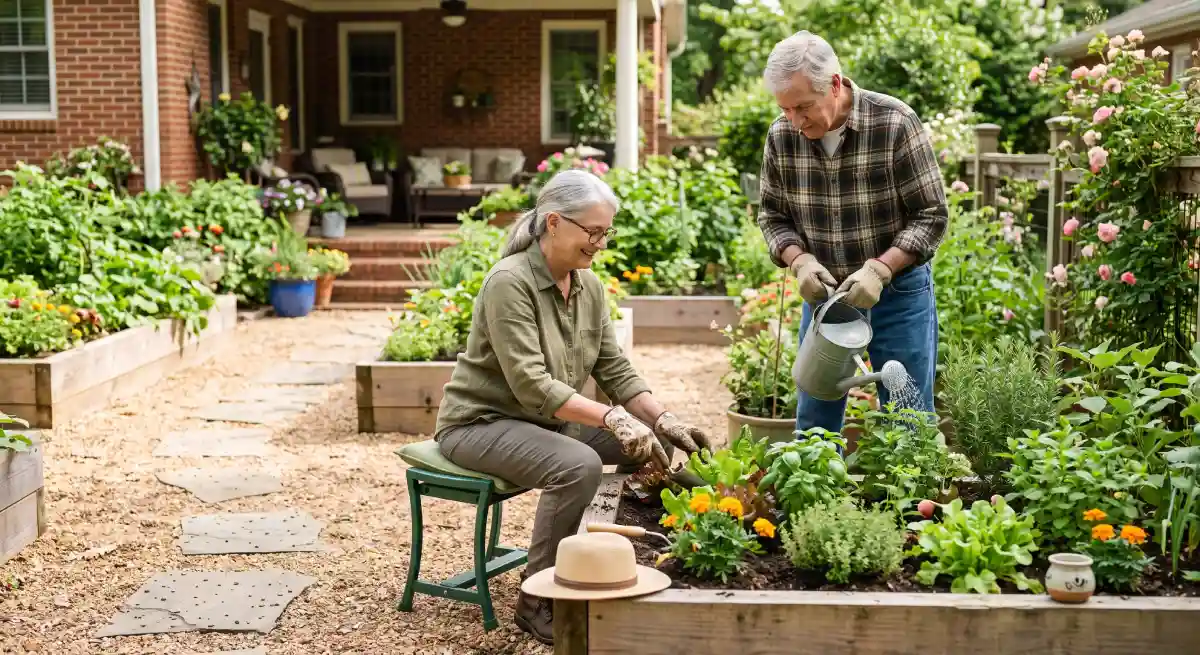
Growing older doesn’t mean you have to give up the joy of digging your hands into soil and watching something you planted come to life. In fact, gardening for seniors has become one of the most recommended low-impact activities for older adults across the United States, and for good reason. It keeps you moving, gets you outside, and gives you a real sense of purpose.
Whether you’re dealing with arthritis, limited mobility, or simply want a hobby that’s easier on your joints, there’s a way to make gardening work for you. This guide walks through 12 practical, senior-friendly gardening ideas, along with tips, tools, and layouts designed specifically with older adults in mind. By the end, you’ll know exactly how to start — or adapt — a garden that fits your body, your space, and your lifestyle.
Why Gardening For Seniors Matters So Much
Gardening for the elderly isn’t just a pleasant pastime — it’s backed by real health benefits. Numerous studies on aging and outdoor activity have linked regular gardening to improved mood, better cardiovascular health, and even a lower risk of dementia. For older adults, gardening and the elderly wellbeing go hand in hand in a way few other hobbies can match.
Here’s what makes it so valuable:
- Physical activity without the strain of a gym. Light digging, weeding, and watering count as moderate exercise.
- Mental stimulation. Planning a garden layout, tracking bloom times, and problem-solving pest issues keeps the brain engaged.
- Social connection. Community gardens and gardening clubs bring elderly people gardening together, reducing isolation.
- Sense of accomplishment. Watching a seed become a tomato or a bloom is deeply satisfying at any age.
Because of all this, gardening tips for seniors have become a popular topic among occupational therapists, senior centers, and retirement communities nationwide.
1. Choose Raised Garden Beds for Easier Access

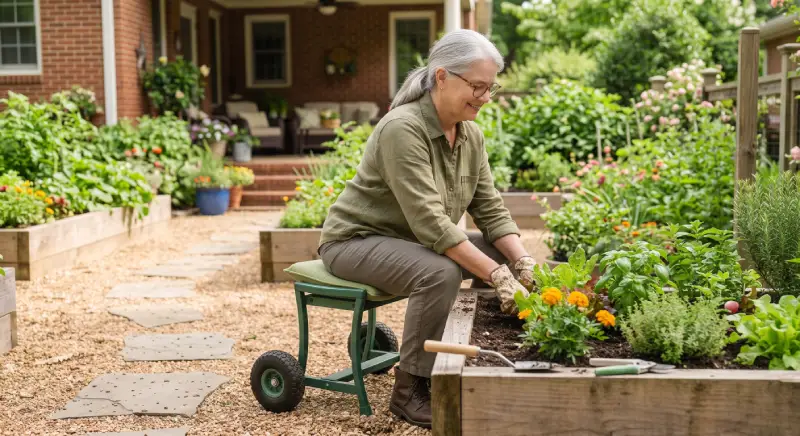
One of the simplest ways to make gardening for older adults more comfortable is switching to raised beds. These elevated planters reduce the need to bend, kneel, or crouch — a common pain point for anyone with knee or back issues.
Raised beds can be built at waist height, allowing you to garden while standing or even seated. Many are made from cedar, composite materials, or galvanized steel, and they drain better than in-ground plots, which means less mud and fewer weeds.
Tip: Look for beds between 24–36 inches high if you plan to garden from a standing position, or opt for wheelchair-accessible designs with open space underneath.
2. Try Container Gardening for Small Spaces
If a full backyard plot feels like too much, container gardening is a fantastic entry point into easy gardening for seniors. Pots, grow bags, and window boxes can hold herbs, flowers, or even compact vegetables, and they can be moved to follow the sun or brought indoors during bad weather.
Container gardening for seniors works particularly well for:
- Patios, balconies, and porches
- Assisted living facilities with limited outdoor space
- Anyone who wants to start small before committing to a bigger garden
Lightweight plastic or resin pots are easier to move than heavy ceramic or stone ones, which matters a lot when strength and grip are a concern.
3. Explore Indoor Gardening for Seniors
Not everyone has outdoor space, mobility, or the ability to handle changing weather — and that’s where indoor gardening for seniors shines. A sunny windowsill, a small grow light setup, or even a countertop hydroponic system can support herbs, leafy greens, and flowering plants year-round.
Indoor gardening removes several common obstacles:
- No exposure to extreme heat, cold, or sun
- No bending over garden beds
- Easier to manage watering schedules
- Great option during winter months or recovery from illness
Popular indoor choices include basil, mint, spider plants, and African violets — all forgiving for beginners.
4. Pick the Right Vegetable Gardening for Seniors
Vegetable gardening for seniors doesn’t have to mean rows of demanding crops. The key is choosing plants that are low-maintenance, disease-resistant, and quick to harvest.
Here’s a quick comparison of vegetables well-suited for senior-friendly gardening:
| Vegetable | Maintenance Level | Space Needed | Harvest Time |
|---|---|---|---|
| Cherry Tomatoes | Low | Container or bed | 60–70 days |
| Lettuce & Leafy Greens | Very Low | Small bed or pot | 30–45 days |
| Green Beans (bush type) | Low | Small bed | 50–60 days |
| Herbs (basil, chives) | Very Low | Pot or windowsill | 20–30 days |
| Radishes | Very Low | Small bed | 25–30 days |
These crops require minimal staking, pruning, or pest management, making them ideal for anyone easing into vegetable gardening for seniors without a huge time commitment.
5. Use Ergonomic Tools Designed for Comfort
Standard garden tools can put unnecessary strain on wrists, shoulders, and backs. Fortunately, there’s now a whole category of ergonomic tools made specifically for senior-friendly gardening.
Look for:
- Long-handled tools to reduce bending
- Cushioned, wide grips for arthritis or limited hand strength
- Kneeling pads with side handles for easier standing back up
- Lightweight aluminum tools instead of heavy steel
Many garden centers and online retailers now carry entire lines labeled specifically for accessible gardening for seniors, so this is worth mentioning at checkout or when browsing catalogs.
Comfortable Gardening for Seniors: A Quick Setup Checklist
| Item | Purpose | Approx. Cost (USD) |
|---|---|---|
| Raised garden bed | Reduces bending | $80–$250 |
| Kneeling stool with handles | Easier sitting/standing | $25–$50 |
| Ergonomic hand tools | Less wrist strain | $15–$40 |
| Lightweight watering can | Reduces lifting strain | $10–$25 |
| Garden stool on wheels | Mobility while seated | $40–$90 |
6. Build Low-Maintenance Gardening for Seniors
Low-maintenance gardening for seniors is all about choosing plants and layouts that don’t demand daily attention. Perennials, native plants, and drought-tolerant species are excellent choices because they come back year after year with minimal fuss.
Good low-maintenance picks include:
- Lavender
- Coneflowers (Echinacea)
- Sedum (stonecrop)
- Daylilies
- Ornamental grasses
Adding mulch around plants also cuts down on watering frequency and weeding — two of the more physically demanding parts of gardening.
7. Design Senior-Friendly Garden Ideas With Safety in Mind
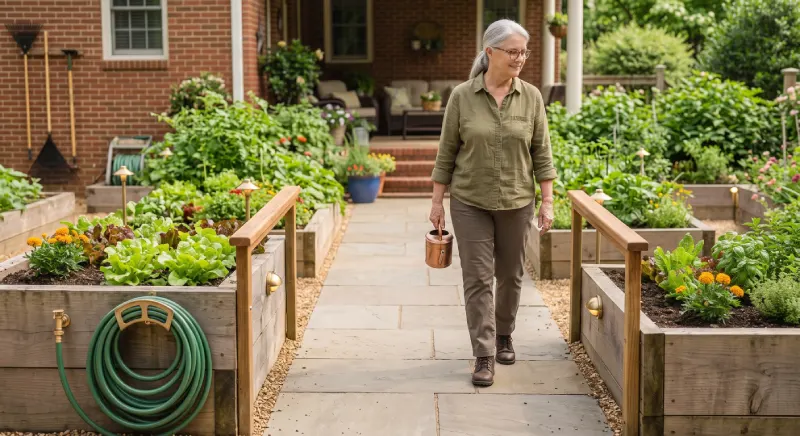
Safety should always come first when planning gardening activities for seniors. A few thoughtful design choices can prevent falls and reduce fatigue:
- Use wide, flat pathways (avoid loose gravel or uneven stone)
- Add secure handrails near steps or slopes
- Install adequate outdoor lighting for early morning or evening gardening
- Keep hoses coiled and tools stored to avoid tripping hazards
- Choose slip-resistant footwear even for short gardening sessions
These small adjustments make a big difference in creating truly safe gardening for older adults, especially for those with balance concerns or vision changes.
8. Set Up Vertical and Small-Space Gardening for Seniors
If yard space is limited — or if bending down simply isn’t an option — vertical gardening is a smart solution. Trellises, wall-mounted planters, and tiered plant stands allow you to grow more in less space, at a height that’s easy to reach.
Small-space gardening for seniors works especially well in:
- Apartment balconies
- Patios in retirement communities
- Small urban backyards
Vertical structures also make watering and harvesting easier since everything is within arm’s reach rather than spread across the ground.
9. Join a Community Garden Program
Community gardens have become a wonderful outlet for elderly people gardening together in a shared, social space. Many U.S. cities and senior centers now offer plots specifically designed for accessibility, complete with raised beds, paved walkways, and communal tool sheds.
Benefits include:
- Shared knowledge from experienced gardeners
- Built-in social interaction, which supports mental health
- Access to tools and resources you might not have at home
- A sense of community responsibility and routine
If you’re searching for gardening ideas for elderly individuals who live alone, a local community garden can be a great first step toward connection and consistency.
10. Grow Easy Plants for Seniors That Reward Quickly
Nothing keeps motivation high like a plant that grows fast and forgives mistakes. Easy plants for seniors typically share a few traits: they’re hardy, tolerant of inconsistent watering, and resistant to most common pests.
Some reliable options:
- Marigolds – colorful, pest-repelling, and nearly impossible to kill
- Succulents – ideal for indoor or low-water settings
- Zinnias – fast-blooming and great for cutting gardens
- Pole beans – simple to grow vertically with minimal care
- Mint – thrives almost anywhere, indoors or out
Starting with a few of these builds confidence before tackling more demanding plants.
11. Practice Gardening Techniques for Seniors That Protect the Body
Beyond tools and plant choices, how you move while gardening matters just as much. A few gardening techniques for seniors can prevent strain and make sessions more enjoyable:
- Pace yourself. Break gardening into 15–20 minute sessions rather than hours at a stretch.
- Warm up first. A short stretch before gardening reduces the risk of muscle strain.
- Alternate tasks. Switch between standing and seated activities to avoid repetitive strain.
- Stay hydrated. Keep water nearby, especially during warmer months.
- Garden during cooler hours. Early morning or late afternoon avoids peak heat.
These habits turn gardening into a sustainable, enjoyable activity rather than a physically draining chore.
12. Create a Sensory Garden for Relaxation and Stimulation
A sensory garden focuses on texture, fragrance, sound, and color rather than just visual appeal — making it a wonderful addition to any senior gardening space, including those designed for individuals with memory-related conditions.
Consider incorporating:
- Fragrant herbs like rosemary and lemon balm
- Soft, touchable plants like lamb’s ear
- Wind chimes or small water features for gentle sound
- Brightly colored flowers for visual stimulation
Sensory gardens are increasingly used in memory care communities because they offer calm, engaging outdoor experiences without requiring physical exertion.
Frequently Asked Questions About Gardening For Seniors
Is gardening a good hobby for seniors with arthritis?
Yes. Gardening for seniors with arthritis is very manageable with the right tools and setup. Raised beds, ergonomic tools, and shorter sessions reduce joint strain while still allowing full participation in the hobby.
What is the easiest type of garden for an elderly person to maintain?
Container gardens and raised beds filled with low-maintenance perennials are generally the easiest. They require less bending, less weeding, and less frequent watering compared to traditional in-ground plots.
Can gardening help with dementia or memory loss?
Many studies suggest that sensory-based gardening activities for seniors can have a calming, grounding effect for people with dementia, offering routine and gentle stimulation, though it’s not a substitute for medical care.
How much time should a senior spend gardening each day?
Fifteen to thirty minutes at a time is a reasonable starting point. This allows for meaningful activity without overexertion, and sessions can be repeated throughout the day if desired.
What are the safest plants for beginner senior gardeners?
Marigolds, lettuce, herbs like basil and mint, and succulents are all considered safe, low-effort choices for beginner gardening for seniors, since they tolerate mistakes and require little specialized care.
Final Thoughts: Start Small, Grow Steadily
Gardening for seniors isn’t about doing everything at once — it’s about finding the right combination of tools, plants, and layouts that fit your body and your lifestyle today. Whether that means a single pot of basil on a windowsill or a full raised-bed vegetable garden, every bit of green you grow contributes to better health, more movement, and genuine joy.
If you’re just getting started, pick one idea from this list — maybe a raised bed or a few easy plants for seniors — and build from there. Your garden doesn’t need to be big to be meaningful; it just needs to be yours.
Ready to get growing? Visit your local garden center or senior center this week to ask about accessible tools, raised bed installation, or community garden openings near you. A little planning now can lead to a season full of color, movement, and fresh vegetables.