

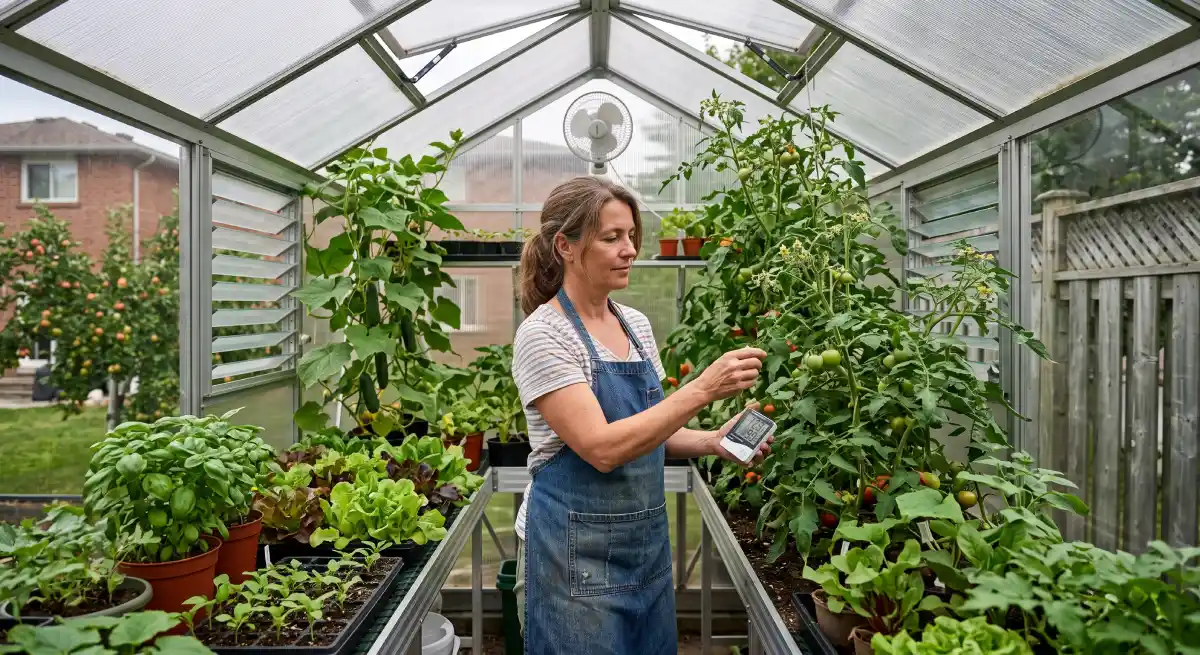
If you’ve ever stared at a bag of seeds in January and wished you could start growing right then and there, a greenhouse changes everything. Greenhouse gardening tips aren’t just for commercial growers — they’re for anyone who wants longer seasons, healthier plants, and a reliable harvest no matter what the weather is doing outside. Whether you have a full-size structure in your backyard or a small greenhouse tucked against a sunny wall, the right approach makes all the difference between a lush, productive space and a humid box full of struggling seedlings.
In this guide, you’ll learn practical greenhouse gardening tips for beginners and experienced growers alike: how to manage temperature and humidity, which vegetables thrive under glass, how to keep pests away without harsh chemicals, and how to keep your setup productive through every season. By the end, you’ll have a clear, actionable plan for turning your greenhouse into the most reliable part of your garden.
Why Greenhouse Gardening Works So Well
A greenhouse creates a controlled microclimate. It traps solar heat, buffers temperature swings, and shields plants from wind, hail, and unpredictable frosts. That control is the entire point of greenhouse gardening — you’re not at the mercy of the weather anymore.
For beginners, this predictability is a huge advantage. Outdoor gardening is full of variables you can’t control: a late frost, a sudden heatwave, or a week of nonstop rain can wipe out weeks of work. A greenhouse lets you dial in the conditions your plants actually need, which is why greenhouse growing consistently produces earlier harvests and higher yields than open-ground planting.
Key Benefits at a Glance
| Benefit | What It Means for You |
|---|---|
| Extended growing season | Start seeds weeks earlier in spring, harvest weeks later in fall |
| Protection from pests | Physical barrier keeps out many insects, birds, and deer |
| Weather resilience | No lost crops to sudden frost, hail, or heavy rain |
| Better disease control | Reduced soil splash and controlled humidity limit fungal issues |
| Higher yields | Optimal light, warmth, and moisture mean stronger, more productive plants |
Greenhouse Tips for Beginners: Getting Your Setup Right
Before diving into daily plant care, it helps to get the fundamentals of your greenhouse structure right. These greenhouse tips for beginners will save you money and frustration later.
1. Choose the Right Location
Position your greenhouse where it gets at least six hours of direct sunlight, ideally facing south or southeast. Avoid low-lying areas where cold air pools, and keep it away from large trees that cast shade or drop debris on the roof.
2. Pick the Right Size for Your Needs
Small greenhouse gardening tips often get overlooked, but compact structures can be just as productive as large ones if you plan the layout carefully. A small greenhouse works well for hobby growers focused on herbs, salad greens, and a handful of vegetable plants. Larger structures make sense if you’re growing for a family or planning to sell produce.
3. Ventilation Is Non-Negotiable
Good airflow prevents heat buildup, reduces humidity-related diseases, and helps with pollination. Roof vents, side vents, and even a simple oscillating fan can make a dramatic difference in plant health.
Mastering Temperature Control

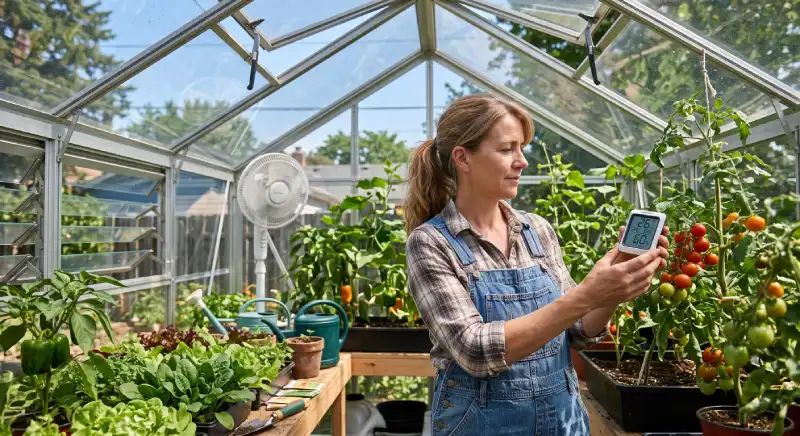
Temperature management is arguably the single most important of all greenhouse gardening tips, because too much heat can kill plants just as fast as frost.
Daytime and Nighttime Targets
Most vegetables and flowering plants do best between 65–80°F (18–27°C) during the day and no lower than 50–60°F (10–15°C) at night. On sunny days, even a well-ventilated greenhouse can spike above 100°F (38°C) within an hour, so monitoring matters.
Using a Greenhouse Heater Effectively
In colder climates, a greenhouse heater is essential for extending your season into winter. Electric heaters are clean and easy to control but can raise energy costs, while propane heaters are more affordable to run but require ventilation to avoid moisture and combustion byproducts building up. Whichever type you choose, place a thermostat-controlled heater near the coldest part of the structure, and always keep a backup thermometer to verify accuracy.
Passive Heat Retention Tricks
- Water barrels painted black absorb heat during the day and release it slowly at night.
- Bubble wrap insulation on the interior walls reduces heat loss by up to 30%.
- Raised beds with dark-colored edging retain warmth better than pale materials.
Managing Humidity and Watering
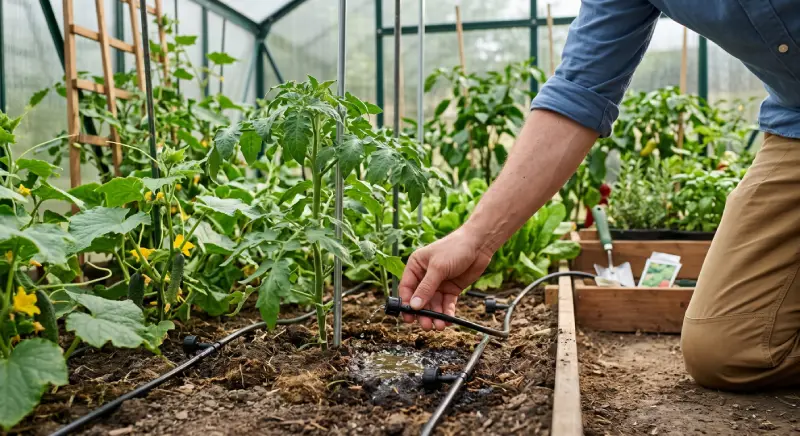
Humidity control goes hand in hand with temperature control in successful greenhouse gardening. Too much moisture invites mold and fungal disease; too little stresses plants and invites spider mites.
Watering Best Practices
Water in the morning so foliage dries before evening, reducing the risk of fungal growth overnight. Drip irrigation or soaker hoses deliver water directly to the roots, which conserves water and keeps humidity more stable than overhead sprinklers.
| Watering Method | Best For | Humidity Impact |
|---|---|---|
| Drip irrigation | Vegetables, larger beds | Low — minimal moisture in the air |
| Soaker hose | Rows of plants | Low to moderate |
| Overhead watering | Seedlings, trays | High — use sparingly |
| Hand watering | Containers, small greenhouses | Moderate, easy to control |
Signs Your Humidity Is Off
- White, powdery patches on leaves often signal excess humidity and poor airflow.
- Curling or crispy leaf edges usually point to air that’s too dry.
- Condensation dripping from the roof at night means ventilation needs improvement.
Growing Vegetables in a Greenhouse for Beginners
Growing vegetables in a greenhouse for beginners is one of the most rewarding entry points into this hobby, since you can control nearly every variable that determines success.
Best Vegetables to Start With
Tomatoes, cucumbers, peppers, and leafy greens like lettuce and spinach are forgiving, fast-growing, and well suited to greenhouse conditions. Herbs such as basil, parsley, and cilantro also do exceptionally well and take up very little space.
Tips for Growing Tomatoes and Cucumbers
Tomatoes need sturdy staking or trellising and benefit from gently shaking the flowers by hand to aid pollination indoors, where wind and insects are limited. Cucumbers grow fast in warm, humid conditions and do best trained vertically to save floor space and improve air circulation around the fruit.
Succession Planting for Continuous Harvests
Rather than planting everything at once, stagger your plantings every two to three weeks. This keeps a steady supply of vegetables coming rather than one large harvest followed by an empty greenhouse.
Greenhouse Gardening Tips for Every Season
Greenhouse gardening tips change depending on the time of year, and adjusting your approach seasonally is what separates a thriving greenhouse from a struggling one.
Greenhouse Gardening Tips for Winter
Focus on cold-hardy greens, insulate the structure, and run a greenhouse heater during hard freezes. Reduce watering frequency since plants use less water in cooler, lower-light conditions.
Greenhouse Gardening Tips for Summer
Shade cloth, increased ventilation, and more frequent watering are key. Misting systems can help cool the air on the hottest days without oversaturating the soil.
Greenhouse Gardening Tips for Year-Round Growing
Combine supplemental lighting, a reliable heating system, and crop rotation to keep the greenhouse productive in every month. Many dedicated growers plan a full annual rotation so beds are never left empty for long.
Preventing Pests and Diseases
Even with a protective structure, pests can find their way in, and warm, humid conditions can actually encourage certain insects if you’re not careful.
Common Greenhouse Pests
Aphids, whiteflies, and spider mites are the most frequent invaders. Sticky traps near entry points and regular leaf inspections catch infestations early, before they spread across the whole greenhouse.
Natural Pest Control Methods
- Introduce beneficial insects like ladybugs or predatory mites.
- Use insecticidal soap or neem oil for early-stage infestations.
- Remove and dispose of infected leaves immediately rather than composting them.
- Keep the greenhouse clean, since debris and dead plant matter are common breeding grounds.
Maximizing Space in a Small Greenhouse
Small greenhouse gardening tips are especially valuable if you’re working with a compact structure, since every square foot needs to earn its keep.
Vertical Growing Strategies
Hanging baskets, tiered shelving, and trellised vining plants let you grow upward instead of only outward. This single adjustment can effectively double your usable growing area.
Container Gardening Inside a Greenhouse
Containers offer flexibility to rearrange your layout as plants grow or as seasons change. They also make it easier to isolate a struggling plant before problems spread to others nearby.
| Space-Saving Method | Ideal Plants | Notes |
|---|---|---|
| Vertical trellising | Cucumbers, peas, tomatoes | Improves airflow and light exposure |
| Hanging baskets | Strawberries, herbs, trailing flowers | Frees up bench and floor space |
| Tiered shelving | Seedlings, small pots, herbs | Great for starting seeds in bulk |
| Container gardening | Peppers, dwarf vegetables | Easy to move and rearrange |
Frequently Asked Questions
What is the ideal temperature for greenhouse gardening?
Most plants thrive between 65–80°F (18–27°C) during the day and no lower than 50–60°F (10–15°C) overnight. A greenhouse heater helps maintain these ranges through colder months.
Do I need a heater for a small greenhouse?
If you live somewhere with hard winter frosts and want to grow year-round, yes. A small, thermostat-controlled heater is usually enough to protect a compact structure without running up major energy costs.
What vegetables grow best in a greenhouse for beginners?
Tomatoes, cucumbers, peppers, lettuce, and herbs like basil are among the easiest and most productive choices for anyone growing vegetables in a greenhouse for beginners.
How often should I water greenhouse plants?
This depends on the season, plant type, and humidity levels, but a good rule of thumb is checking soil moisture daily and watering in the morning when the top inch of soil feels dry.
Can I use a greenhouse year-round?
Yes. With proper insulation, a greenhouse heater for winter, and shade cloth or ventilation for summer, most greenhouses can support continuous growing throughout the year.
Final Thoughts and Next Steps
Successful greenhouse gardening comes down to a handful of fundamentals: choosing the right location, controlling temperature and humidity, watering thoughtfully, and staying ahead of pests before they take hold. Whether you’re just starting with a small greenhouse or expanding into a full growing operation, these greenhouse gardening tips give you a solid foundation to build on season after season.
Start small, track what works in your specific climate, and adjust as you go. Ready to put these ideas into action? Pick one tip from this guide — maybe upgrading your ventilation or adding a thermostat-controlled greenhouse heater — and implement it this week. Your plants will thank you for it.