
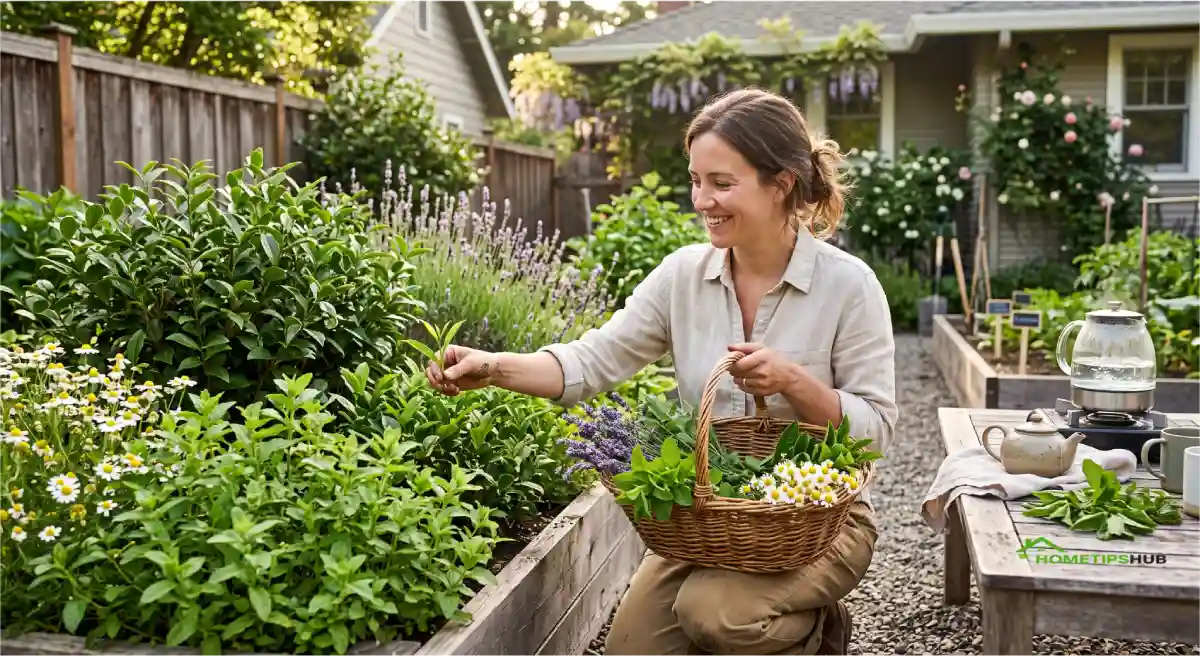
Imagine stepping into your backyard on a chilly morning, harvesting fresh leaves from your own flourishing tea garden, and brewing a cup of aromatic tea minutes later. For tea enthusiasts and gardeners alike, growing tea garden plants transforms this dream into reality.
Whether you’re interested in classic Camellia sinensis plants, medicinal tea plants, or edible tea plants for herbal infusions, creating a home tea garden doesn’t require extensive space or expertise. From small apartment balconies to sprawling backyards, there’s a tea garden design perfect for every gardener.
In this comprehensive guide, you’ll discover 22 essential tea plants for gardens, learn how to plant a tea garden successfully, explore creative tea garden layout options, and master the basics of growing a tea garden like a seasoned professional.
What you’ll learn:
- Which tea garden plants thrive in different climates
- Step-by-step instructions for growing a tea garden
- The best tea garden ideas for your space
- Specific herbal tea garden plants and their benefits
- Complete tea garden design principles
Section 1: Understanding Tea Garden Plants
What Exactly Are Tea Garden Plants?
Tea garden plants refer to any plant whose leaves, flowers, or seeds you can steep in hot water to create a beverage. While many people associate tea exclusively with the traditional Camellia sinensis plant—the source of black, green, white, and oolong teas—the world of tea garden plants extends far beyond this single species.
When exploring tea plants for gardens, you’ll encounter three main categories:
True Tea Plants: These derive from the Camellia sinensis plant, originating in Asia but now cultivated worldwide. Growing a tea garden with authentic tea plants requires patience, but the reward is genuine tea that rivals commercial varieties.
Herbal Tea Garden Plants: These include countless herbs and flowers that create naturally caffeine-free infusions. Medicinal tea plants like chamomile, peppermint, and ginger root have been used for centuries in traditional medicine.
Edible Tea Plants: Flowers and leaves from plants like hibiscus, rose petals, and calendula create beautiful, flavorful beverages while serving double duty as ornamental additions to your landscape.
The beauty of a home tea garden lies in its versatility. You’re not limited to a single type—you can design a mixed garden combining true tea plants, herbal options, and edible flowers.
Why Grow Your Own Tea Garden?
Creating an indoor tea garden plants setup or an outdoor backyard tea garden offers numerous advantages:
- Freshness: Harvested and brewed within hours, your homegrown tea surpasses months-old commercial options
- Cost-effective: After initial investment, a productive tea garden provides years of fresh leaves
- Therapeutic: The act of tending tea plants offers stress relief and connection to nature
- Customization: Grow exactly what you love without commercial blending
- Sustainability: Eliminate packaging waste and support environmental responsibility
Section 2: The Ultimate Guide to Growing a Tea Garden
Getting Started: Essential Considerations
Before purchasing tea garden plants for sale or beginning your project, evaluate your growing conditions. Success with growing a tea garden depends on understanding your climate zone, sunlight availability, and soil composition.
Climate Compatibility: Most traditional herbal tea plants are hardy, but authentic Camellia sinensis prefers USDA zones 8-11. If you live in colder regions, focus on cold-hardy herbs or consider indoor tea garden plants.
Sunlight Requirements: Different tea plant varieties have varying light needs. While many herbal tea garden plants tolerate partial shade, Camellia sinensis typically requires 4-6 hours of indirect sunlight daily.
Soil Preparation: Most tea plants prefer slightly acidic soil (pH 6.0-6.5). Before planting, amend your garden bed with compost and peat moss to achieve optimal drainage and nutrient content.
Setting Up Your Backyard Tea Garden
The tea garden layout you choose should balance aesthetics with functionality. Consider these proven tea garden design approaches:
The Cottage Garden Style: Intermix herbal tea garden plants with flowers for a romantic, productive landscape. This layout works beautifully for tea garden flowers like jasmine, calendula, and rose varieties.
The Organized Row Method: Arrange tea plants for garden in distinct rows by type—true tea in one section, medicinal tea plants in another. This DIY tea garden approach simplifies harvesting and maintenance.
The Container Garden Approach: Perfect for urban dwellers and those wanting indoor tea garden plants, this method uses pots and planters to create a mobile, flexible tea herb garden.
Section 3: 22 Best Tea Garden Plants to Grow

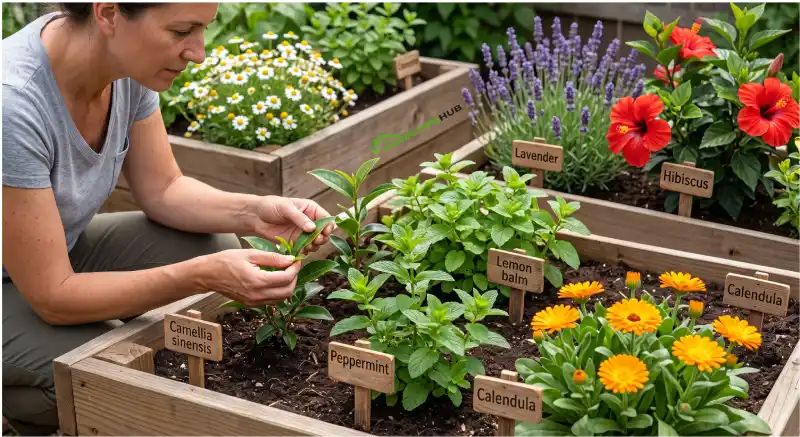
| Plant Name | Type | Flavor Profile | Difficulty | Zones | Harvest Time |
|---|---|---|---|---|---|
| Camellia Sinensis | True Tea | Complex, earthy | Moderate | 8-11 | 3-4 years after planting |
| Chamomile | Herbal | Floral, soothing | Easy | 3-9 | 60-90 days |
| Peppermint | Herbal | Cool, refreshing | Easy | 3-11 | 30-60 days |
| Ginger Root | Medicinal | Warm, spicy | Moderate | 9-12 | 8-12 months |
| Hibiscus | Herbal/Ornamental | Tart, floral | Easy | 5-11 | 60-90 days |
| Lemon Balm | Herbal | Citrusy, mild | Easy | 3-11 | 30-45 days |
| Spearmint | Herbal | Sweet, minty | Easy | 3-11 | 30-60 days |
| Rose Petals | Edible/Ornamental | Floral, delicate | Easy | 3-10 | Year-round |
| Lavender | Medicinal/Floral | Floral, calming | Easy | 4-9 | 60-90 days |
| Calendula | Edible/Medicinal | Slightly bitter | Easy | 2-11 | 50-60 days |
True Tea Plants for Authentic Brewing
1. Camellia Sinensis Plant
The legendary Camellia sinensis plant stands as the foundation of all true teas. Despite requiring more patience than herbal alternatives, growing this plant in your backyard tea garden represents the ultimate achievement for serious tea lovers.
Growing Tips:
- Plant in acidic, well-draining soil
- Requires 4-6 hours of dappled sunlight
- Reaches full productivity in 3-4 years
- Prune regularly to encourage bushier growth
- Produces small white flowers before leaf harvest
Harvest Method: Pick the top two leaves and bud (called “two leaves and a bud”) for the highest quality tea. Young leaves produce more delicate, complex flavors.
Herbal Tea Garden Plants for Medicinal Infusions
2-4. Mint Family (Peppermint, Spearmint & Lemon Balm)
No tea herb garden is complete without mints. These vigorous growers thrive in most conditions and reward you with abundant harvests.
Key Characteristics:
- Among the easiest tea plants for gardens to cultivate
- Spread aggressively—contain in pots or designated areas
- Can be harvested multiple times per growing season
- Excellent fresh or dried
- Combine beautifully in tea garden landscaping
Pro Tip: Harvest in early morning after dew dries for maximum essential oil concentration.
5. Chamomile
Often called the gardener’s friend, chamomile is a cornerstone of any herbal tea garden layout. This delicate-looking plant produces thousands of tiny flowers, each yielding a soothing cup of tea.
Growing Considerations:
- Prefers full sun but tolerates partial shade
- Self-seeds readily for sustainable tea garden plants
- Attracts beneficial pollinators to your backyard tea garden
- Grows well alongside other medicinal tea plants
- Flowers appear 60-90 days after planting
6. Ginger Root
For those seeking medicinal tea plants with warming properties, ginger transforms a home tea garden into a wellness center.
Cultivation Guide:
- Plant rhizomes in spring after frost danger passes
- Requires rich, moist soil
- Grows best in zones 9-12 (or containers moved indoors)
- Harvest after 8-12 months when leaves yellow
- One rhizome produces multiple harvestable pieces
Edible Flowering Tea Garden Plants
7-8. Hibiscus & Rose Petals
These ornamental yet functional plants add visual drama to your tea garden design while producing flavored beverages.
Hibiscus Specifications:
- Creates tart, cranberry-like tea
- Blooms continuously in warm climates
- Perfect for tropical tea garden layout designs
- Attracts hummingbirds and butterflies
- Both flowers and leaves are edible
Rose Petals for Tea:
- Choose fragrant, pesticide-free varieties
- Produce delicate floral infusions
- Dry petals for year-round tea garden enjoyment
- Combine with other herbal tea plants for complex blends
- Add visual appeal to tea garden flowers sections
9. Lavender
This beloved edible tea plant offers fragrant flowers and calming properties.
Growing Requirements:
- Thrives in well-draining soil
- Prefers full sun exposure
- Drought-tolerant once established
- Flowers appear mid to late summer
- Excellent for tea garden landscaping projects
- Attracts pollinators to your growing tea garden
10. Calendula (Pot Marigold)
Often overlooked in traditional tea garden ideas, calendula produces gorgeous orange-gold flowers with gentle medicinal properties.
Why Include Calendula:
- Extremely cold-hardy tea garden plants
- Self-seeds for next season
- Edible petals create mildly bitter tea
- Supports skin health when consumed regularly
- Beautiful addition to any tea garden shrubs arrangement
Unique & Specialty Tea Garden Plants
| Plant Name | Primary Use | Growth Habit | Special Notes | Best Climate |
|---|---|---|---|---|
| Jasmine (Sambac) | Fragrant flowers | Climbing vine | Intensely aromatic, premium tea | 9-11 |
| Butterfly Pea | Edible/Ornamental | Climbing vine | Color-changing tea (blue to pink) | 9-12 |
| Lemongrass | Culinary/Medicinal | Clumping grass | Tropical flavor, easy to grow | 9-11 |
| Passionflower | Medicinal | Climbing vine | Anxiety-relieving properties | 6-11 |
| Rooibos | Specialty tea | Shrub | Caffeine-free, South African origin | 9-11 |
11-15. The Specialty Selection
Jasmine (Sambac): This fragrant flowering vine produces the premium jasmine pearls found in upscale tea shops. Growing jasmine in your tea garden plants collection elevates your entire operation.
Butterfly Pea: Create color-changing tea by adding lemon juice to this striking blue flower infusion. It’s the perfect conversation starter in any backyard tea garden.
Lemongrass: Essential for herbal tea garden plants collections, lemongrass thrives in warm climates and produces tropical-tasting tea.
Passionflower: This medicinal tea plant supports relaxation and sleep. Its intricate flowers add drama to your tea garden layout.
Rooibos: If your climate permits, rooibos (South African red bush) creates distinctive caffeine-free tea from needle-like leaves.
Additional Essential Tea Garden Plants (16-22)
Continue building your collection with these proven performers:
16. Lemon Verbena – Intensely lemony, energizing herbal tea 17. Mint varieties (Chocolate Mint, Apple Mint) – Unique flavor profiles for tea herb garden experimentation 18. Stevia – Natural sweetener and unique tea ingredient 19. Thyme – Medicinal properties and culinary versatility 20. Sage – Earthy flavored tea with wellness benefits 21. Echinacea (Coneflower) – Immune-supporting medicinal tea plants 22. Chamomile German variety – Distinct flavor from other chamomiles
Section 4: Designing Your Ideal Tea Garden Layout
Tea Garden Landscaping Principles
An effective tea garden design balances aesthetics, functionality, and plant compatibility. Your tea garden layout should reflect both your personal style and the specific needs of your tea plants for garden.
Layering Your Tea Garden:
Create visual interest and maximize space by arranging plants by height:
- Back layer: Taller tea garden shrubs like hibiscus or jasmine vines (against walls or trellises)
- Middle layer: Medium-height plants like Camellia sinensis plant or mature mint
- Front layer: Compact herbal tea plants like chamomile and calendula
This tiered tea garden landscaping approach ensures sunlight reaches all plants while creating an attractive landscape.
Container Gardening for Tea Plants
For apartment dwellers and urban gardeners, indoor tea garden plants and container-based growing a tea garden offer practical solutions.
Container Selections:
- Large pots (12+ inches) for Camellia sinensis and woody herbs
- Medium containers (8-10 inches) for lemon balm, mint, and lavender
- Drainage holes are absolutely essential
- Grouped containers create an impressive tea herb garden display
Advantages of Container Tea Gardens:
- Move plants to optimal light conditions
- Contain aggressive spreaders like mint
- Create a portable DIY tea garden
- Perfect for seasonal or temporary arrangements
- Simplify winter protection for tender tea plant varieties
Section 5: Step-by-Step Tea Garden Setup
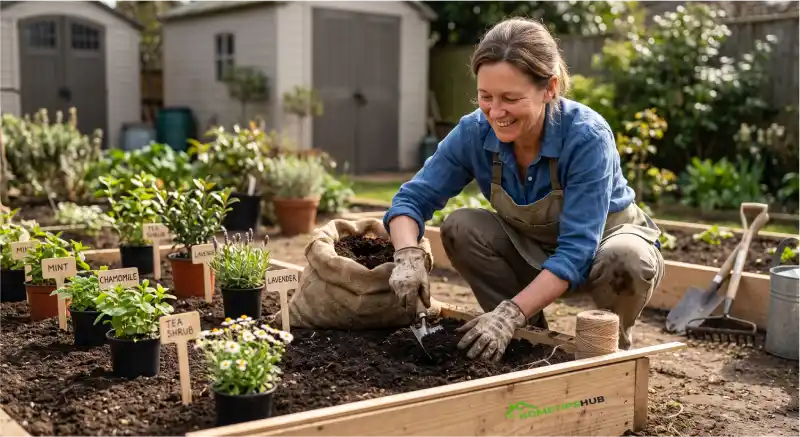
Preparing Your Tea Garden
Step 1: Site Assessment Evaluate your chosen location for sunlight, drainage, and wind exposure. Most tea garden plants prefer 4-6 hours of sunlight and protection from harsh winds.
Step 2: Soil Preparation Work compost and peat moss into your garden bed to achieve the slightly acidic conditions tea plants for gardens prefer. Test your soil pH—aim for 6.0-6.5 for optimal growth.
Step 3: Layout Planning Sketch your tea garden design before purchasing plants. Consider mature plant sizes, color schemes, and functional zones (harvesting area, pollinator section, medicinal section).
Step 4: Plant Selection Choose tea garden plants suited to your climate zone. Include a mix of true tea plants, herbal varieties, and edible flowers for diverse tea garden ideas.
Step 5: Planting Process
- Space plants according to mature width (typically 2-4 feet apart)
- Plant at the same depth they were growing in containers
- Water thoroughly after planting
- Mulch around plants to conserve moisture
Building Your First Tea Garden: A Timeline
| Timeline | Action | Expected Results |
|---|---|---|
| Week 1-2 | Prepare soil, create layout, purchase plants | Ready-to-plant garden bed |
| Month 1 | Plant seedlings, establish watering routine | Established, growing plants |
| Month 2-3 | Regular watering, begin light harvesting of fast-growing herbs | First tea harvests, visible growth |
| Month 4-6 | Prune regularly, fertilize, continue harvesting | Bushier plants, increased yields |
| Year 1 | Establish care routine, observe seasonal changes | Fully functional home tea garden |
| Year 2-3 | Expand collection, experiment with blends | Mature tea garden plants, substantial harvests |
| Year 3+ | Enjoy Camellia sinensis if planted, annual refinement | Productive, beautiful backyard tea garden |
Section 6: Care and Maintenance Essentials
Watering Your Tea Garden Plants
Different tea plant varieties have varying moisture requirements:
Consistent Moisture Lovers: Ginger, mint, and most herbal tea plants prefer evenly moist (not waterlogged) soil.
Moderate Moisture: Camellia sinensis plant and hibiscus prefer drying between waterings.
Drought Tolerant: Lavender and sage actually prefer drier conditions—avoid overwatering.
Pro Tip for Growing a Tea Garden: Water early morning when temperatures are cool. Reduce watering frequency in fall and winter when plant growth slows.
Pruning and Harvesting
Regular pruning keeps your tea garden plants productive and attractive:
- Pinch off flower buds on leafy herbs (like mint and lemon balm) to encourage leaf production
- Remove dead or diseased growth immediately
- Harvest regularly to encourage bushier growth
- When harvesting from your herbal tea garden plants, take no more than one-third of the plant at once
Pest and Disease Management
Fortunately, most tea plants for gardens suffer few serious pest problems. Maintain plant health through proper watering, spacing, and air circulation to prevent issues.
Common Issues:
- Spider mites (treat with neem oil spray)
- Powdery mildew (improve air circulation)
- Slugs (hand-pick or use copper tape)
Seasonal Adjustments
Spring: Begin harvesting as new growth emerges; apply balanced fertilizer
Summer: Maintain consistent watering; harvest regularly to prevent flowering
Fall: Gradually reduce watering; harvest final leaves before frost
Winter: Protect tender tea garden plants in cold climates; enjoy dried tea supplies
Frequently Asked Questions
How long does it take to harvest tea from a tea garden?
This depends on your tea garden plants selection. Herbal varieties like chamomile and mint produce harvestable leaves within 60-90 days. However, the authentic Camellia sinensis plant requires 3-4 years before producing sufficient leaves for meaningful harvests.
Can I grow a tea garden indoors?
Absolutely! Indoor tea garden plants are highly successful. Use grow lights to supplement natural sunlight, ensure good air circulation, and select herbs that tolerate indoor conditions. Mint, chamomile, and lemon balm thrive indoors, though you’ll have more limited success with traditional tea plants for gardens like Camellia sinensis plant indoors.
What’s the best climate for a tea garden?
Most herbal tea plants are adaptable to zones 3-11, making them suitable for nearly all U.S. regions. True Camellia sinensis plant prefers zones 8-11. If you live in a colder climate, focus on cold-hardy herbs or use containers for seasonal growing.
How much space does a tea garden require?
You can create a productive home tea garden in as little as 4-6 square feet using containers or vertical growing methods. A traditional backyard tea garden might occupy 20-50 square feet, though larger layouts allow for more plant varieties and aesthetic possibilities.
Which tea garden plants are easiest for beginners?
Start with mint, chamomile, lemon balm, and lavender—these robust tea garden plants tolerate mistakes and reward new gardeners with quick results. Once comfortable with basics, expand to more demanding varieties like Camellia sinensis plant.
Conclusion: Start Your Tea Garden Journey Today
Creating a thriving tea garden plants collection transforms your outdoor space into a productive sanctuary that delivers fresh, flavorful tea year-round. Whether you’re designing a sprawling backyard tea garden, tending an indoor tea garden plants collection, or experimenting with tea garden ideas in containers, the satisfaction of harvesting leaves grown by your own hands surpasses anything store-bought.
Begin with the tea varieties you love most. Research the specific growing requirements of your chosen tea plant varieties. Prepare your soil thoughtfully. Then watch as your home tea garden flourishes, rewarding your efforts with cups of genuine, fresh-brewed tea.
The world of herbal tea plants and authentic tea cultivation awaits. Will you answer the call?
Ready to begin? Start today by:
- Assessing your growing space and climate
- Researching the tea plants for garden best suited to your zone
- Planning your tea garden layout using our design principles
- Purchasing seeds or seedlings from reputable tea garden plants for sale suppliers
- Following our step-by-step planting and care instructions
Your perfect cup of homegrown tea is just a single plant away. Transform your garden today and join thousands of tea garden enthusiasts discovering the joy of growing a tea garden.