
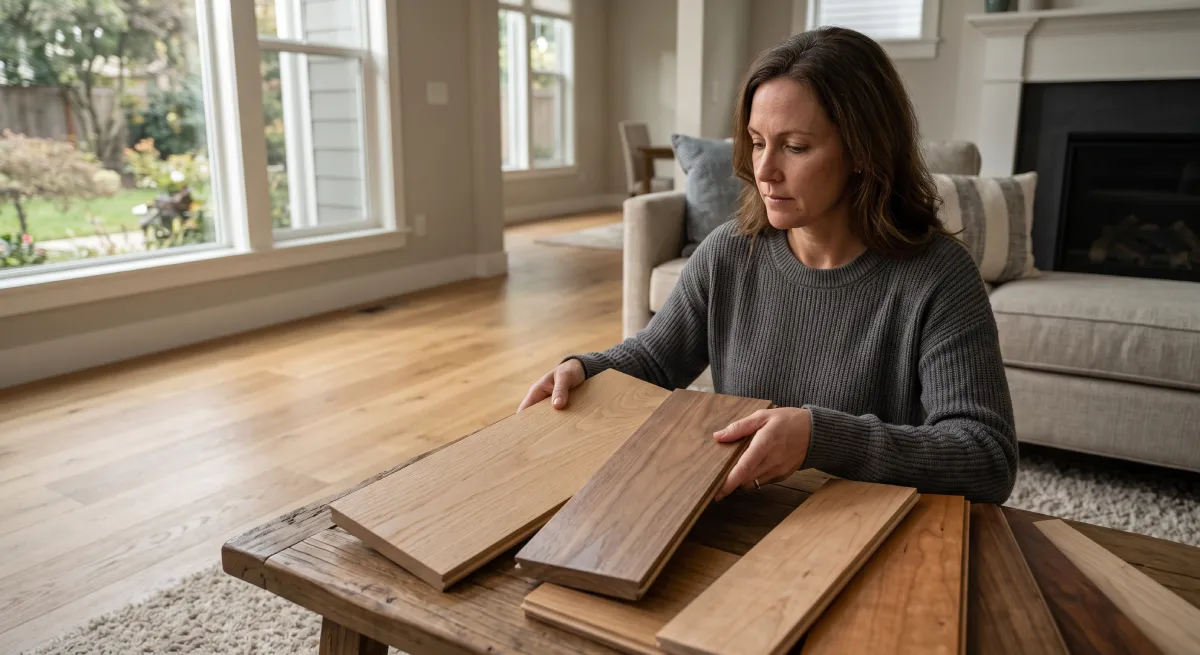
Shopping for new floors can feel like learning a second language overnight—species, finishes, installation methods, all competing for your attention. This hardwood flooring guide breaks everything down into practical, decision-ready information so you can choose confidently instead of guessing.
Whether you’re renovating one room or replacing floors throughout your home, the right choice depends on your budget, lifestyle, and the condition of your subfloor. Below, this hardwood flooring guide walks through the real differences between solid and engineered wood, how to pick a species and finish, what installation actually involves, and how to keep your floors looking good for decades.
Why Start With a Hardwood Flooring Guide Before You Buy?
Jumping straight into a flooring showroom without a plan often leads to costly mistakes. A good hardwood flooring guide helps you narrow choices before price tags and salespeople influence your decision.
At minimum, know three things before shopping: moisture exposure, subfloor type, and maintenance tolerance. As this hardwood flooring guide notes, basements and bathrooms are poor candidates for solid wood due to moisture risk, while engineered options handle humidity fluctuations more reliably.
A practical approach is to measure your space, note your subfloor (concrete slab vs. plywood), and set a per-square-foot budget before comparing products. Following this hardwood flooring guide’s order—space, subfloor, budget—eliminates a large share of unsuitable options and saves time during in-store visits.
Solid vs. Engineered Hardwood: Which Should You Choose?

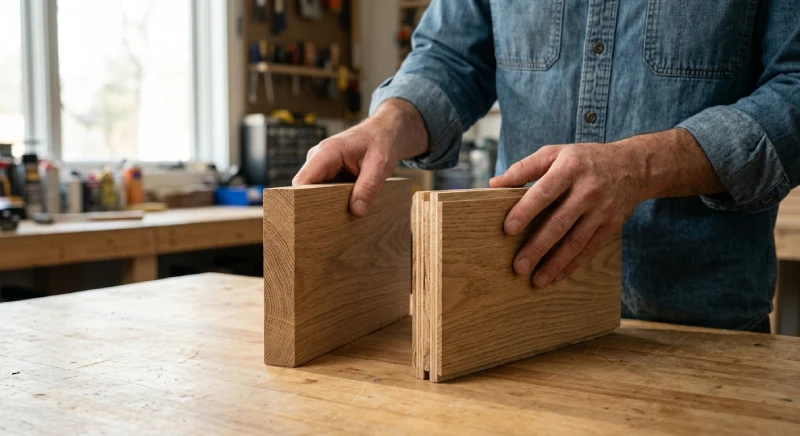
This is the first major fork in any hardwood flooring guide, and it shapes nearly every decision that follows.
Solid hardwood floors are milled from a single piece of wood, typically ¾-inch thick, and can be sanded and refinished multiple times over their lifespan. They perform best in stable, climate-controlled spaces above grade.
Engineered wood flooring consists of a real hardwood veneer bonded over layers of plywood or high-density fiberboard. It resists humidity changes better than solid wood, making it suitable for basements, over concrete slabs, or in regions with fluctuating humidity.
| Feature | Solid Hardwood | Engineered Hardwood |
|---|---|---|
| Refinishing | Multiple times (up to 4–6) | Limited (1–3, depending on veneer thickness) |
| Moisture tolerance | Low | Moderate to good |
| Installation location | Above grade only | Any level, including basements |
| Typical lifespan | 50–100+ years | 20–40 years |
Neither option is universally “better”—as this hardwood flooring guide keeps emphasizing, the right pick depends on where the floor goes and how long you plan to stay in the home.
Choosing the Right Hardwood Floor Species and Finish
Hardwood floor species affects both appearance and durability, and this section of the hardwood flooring guide is where most homeowners spend the bulk of their decision-making time. Oak hardwood flooring remains the most popular choice in the U.S. thanks to its pronounced grain and strong scratch resistance. Maple hardwood flooring offers a smoother, more uniform look but can show dents more visibly due to its density variation. Walnut hardwood flooring brings rich, dark tones but is softer, so it’s better suited to lower-traffic rooms. Hickory hardwood flooring ranks among the hardest domestic species, making it a strong choice for high-traffic homes with kids or pets.
Finish matters just as much as species. A polyurethane finish is the most common choice for durability and easy maintenance. Within that category, an oil-based finish offers a warmer amber tone and slightly more durability, while a water-based finish dries clearer, faster, and with lower odor—useful if you’re refinishing floors while still living in the home.
For best results, match your species hardness to your household’s activity level rather than choosing based on color alone—a point this hardwood flooring guide can’t stress enough. A gorgeous walnut floor in a high-traffic entryway will show wear far faster than the same finish on hickory.
Hardwood Floor Installation Methods Explained
Understanding hardwood floor installation methods helps you set realistic expectations for cost and timeline, and no hardwood flooring guide is complete without covering them in detail. There are three primary approaches:
- Nail-down hardwood flooring – Boards are nailed directly into a wood subfloor. This is the traditional method for solid hardwood and offers excellent stability.
- Glue-down hardwood flooring – Boards are adhered directly to a concrete or plywood subfloor using flooring adhesive. Common for engineered wood over concrete slabs.
- Floating hardwood floors – Planks click together without nails or glue, resting on an underlayment. This is the fastest method and works well for DIY installation.
Before choosing this option, consider your subfloor type: nail-down requires a wood subfloor, while glue-down and floating methods work over concrete. Floating floors also tend to feel slightly less solid underfoot compared to nailed or glued installations.
One common mistake this hardwood flooring guide sees repeatedly is skipping the acclimation period—wood flooring should sit in the installation room for several days before installation to adjust to indoor humidity, reducing the risk of gaps or buckling later.
How Much Does Hardwood Flooring Cost?
Costs vary significantly based on species, thickness, and installation method, but most homeowners in the U.S. can expect a wide range depending on material and labor choices. This part of the hardwood flooring guide is where budget-conscious readers usually spend the most time comparing numbers.
| Idea | Estimated Cost (per sq. ft.) | Difficulty | Maintenance | Best For |
|---|---|---|---|---|
| Floating engineered floors | $3–$8 | Easy (DIY-friendly) | Low | Renters, basements |
| Glue-down engineered floors | $5–$10 | Moderate | Low–moderate | Concrete subfloors |
| Nail-down solid hardwood | $6–$12 | Moderate–Hard | Moderate | Long-term homeowners |
| Prefinished hardwood flooring | $6–$14 | Moderate | Low | Faster installation timelines |
| Unfinished hardwood flooring | $5–$10 (plus finishing) | Hard | Moderate | Custom stain matching |
Unfinished hardwood flooring costs less upfront but requires on-site sanding and finishing, adding labor time and dust to the project. Prefinished hardwood flooring costs more per square foot but is ready to walk on almost immediately after installation—a meaningful advantage this hardwood flooring guide recommends weighing carefully if you can’t vacate the space for long.
Hardwood Floor Maintenance and Cleaning Tips
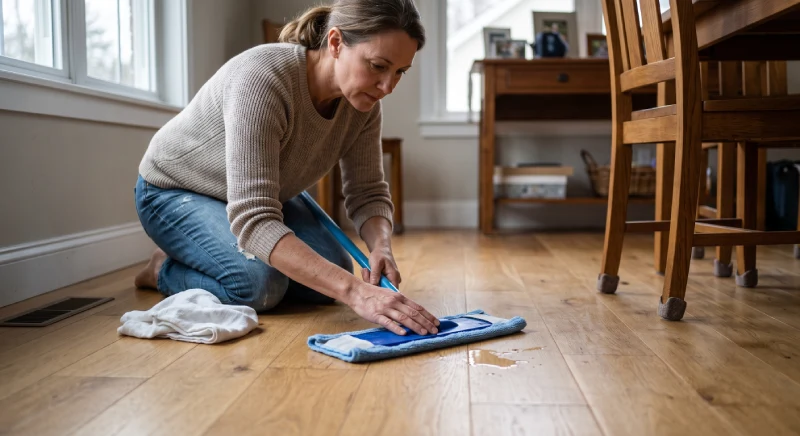
Proper hardwood floor cleaning methods extend the life of your investment significantly, and this hardwood flooring guide treats maintenance as just as important as the initial purchase decision. For daily care, sweep or vacuum with a hard-floor setting to remove grit that can scratch the finish over time.
For best results, follow these maintenance basics:
- Use a slightly damp mop with a wood-specific cleaner—never a soaking wet mop
- Wipe up spills immediately to prevent moisture from seeping between boards
- Use furniture pads under chair and table legs
- Maintain indoor humidity between 35–55% to minimize expansion and contraction
- Avoid steam mops, which can drive moisture into seams and damage the finish
A good rule of thumb this hardwood flooring guide relies on: if your mop leaves visible streaks of water, it’s too wet for hardwood. Consistent, gentle maintenance is far more effective than occasional deep cleaning with harsh products.
How to Fix Scratches, Moisture Damage, and Other Common Issues
As this hardwood flooring guide covers next, hardwood floor scratches are nearly inevitable with normal use, but most are manageable. Light surface scratches in the finish can often be treated with a matching touch-up marker or a light buffing and reapplication of finish in that area. Deeper gouges that reach bare wood typically require sanding and refinishing the affected boards.
Hardwood floor moisture issues are more serious and should be addressed quickly. Cupping (edges higher than centers) usually signals excess moisture from below, while crowning (centers higher than edges) often follows over-wetting during cleaning or a previous water event. If boards are buckling or separating from the subfloor, this hardwood flooring guide recommends consulting a flooring professional, since underlying moisture problems can affect the subfloor structure itself.
Hardwood floor lifespan, the final topic this hardwood flooring guide covers in this section, depends heavily on maintenance, species hardness, and finish type. Solid hardwood, properly maintained, commonly lasts multiple decades and can be refinished as the surface wears, while engineered products have a shorter usable life due to thinner veneer layers.
Common Hardwood Flooring Mistakes to Avoid
Even careful homeowners run into avoidable issues, which is why no hardwood flooring guide is complete without a mistakes checklist. Common hardwood flooring mistakes include:
- Installing solid hardwood in basements or bathrooms, where moisture exposure is high
- Skipping acclimation before installation
- Using the wrong cleaning products, including oil soaps or wax on polyurethane finishes
- Ignoring manufacturer humidity recommendations
- Choosing a soft species for high-traffic areas without accounting for wear
- Failing to budget for finishing costs with unfinished hardwood flooring
For best results, treat these hardwood flooring mistakes as a pre-installation checklist rather than lessons learned after the fact—exactly the purpose this hardwood flooring guide is meant to serve. A little research upfront saves significant repair costs later.
Final Thoughts on Choosing Your Hardwood Floors
The right flooring decision comes down to matching material, finish, and installation method to your specific space and lifestyle—the central message of this entire hardwood flooring guide. This hardwood flooring guide has covered the core decisions—solid versus engineered, species and finish, installation methods, cost ranges, and ongoing maintenance—so you can move forward with confidence rather than guesswork.
Before you commit, revisit your room’s moisture exposure, your subfloor type, and your household’s daily wear and tear. Bring these notes with you when comparing samples, and don’t hesitate to ask suppliers direct questions about warranty coverage and refinishing limits.
Ready to move forward? Use this guide as your checklist during showroom visits, and choose the option that fits your space today while holding up for years to come.
FAQ 1: How do I know if I need solid or engineered hardwood?
Choose solid hardwood for above-grade rooms with stable humidity, and engineered wood for basements, over concrete slabs, or in climates with humidity swings. If you’re unsure, checking your subfloor type is usually the fastest way to narrow the decision, as this hardwood flooring guide explained above.
FAQ 2: How long does hardwood flooring installation take?
A typical single-room installation takes one to three days, depending on the method used and whether the floor needs acclimation time beforehand. Whole-home installations or on-site finishing for unfinished hardwood flooring can extend the timeline to a week or more.
FAQ 3: Can hardwood floors be installed over concrete?
Yes, but typically only with engineered wood using a glue-down or floating installation method, since solid hardwood generally isn’t recommended for direct installation over concrete due to moisture concerns.
FAQ 4: How often should hardwood floors be refinished?
Most solid hardwood floors can be refinished every 7–10 years, depending on foot traffic and finish wear, and can typically handle several refinishing cycles over their lifespan. Engineered floors have a thinner wear layer, so refinishing options are more limited.
FAQ 5: What’s the biggest mistake homeowners make with hardwood floors?
Skipping the acclimation period before installation is one of the most common and costly hardwood flooring mistakes, often leading to gaps, buckling, or warping within the first year as the wood adjusts to indoor humidity.