
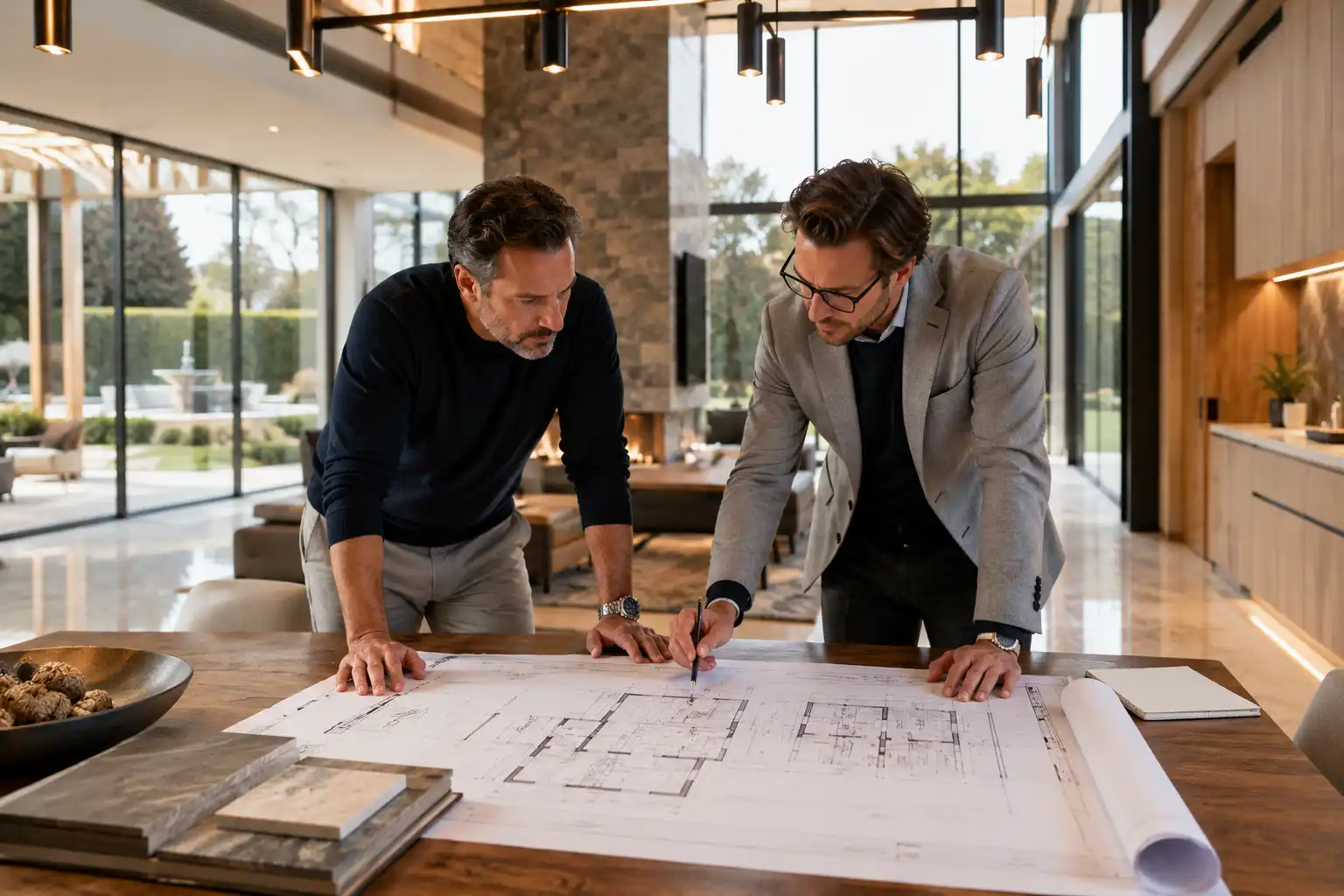
Understanding how to design luxury homes isn’t just about selecting expensive finishes or installing the latest fixtures. It’s about creating an exceptional living experience that reflects sophistication, functionality, and personal vision. Whether you’re a homeowner, real estate developer, or design enthusiast, learning how to design luxury homes requires knowledge across multiple disciplines—from architectural principles to interior aesthetics.
This comprehensive guide reveals the essential steps to transform your vision into a stunning property. You’ll discover what separates ordinary homes from extraordinary ones and learn the proven methodologies that luxury home designers use worldwide. By the end, you’ll have actionable insights into luxury home design, luxury architectural design, and every element that makes premium home architecture truly exceptional.
The world of luxury house design has evolved dramatically. Today’s discerning homeowners expect more than beautiful spaces; they demand intelligent layouts, sustainable materials, cutting-edge technology, and timeless elegance. This article breaks down the complete process of how to design luxury homes, covering everything from initial planning to final execution.
1. Define Your Luxury Vision and Design Philosophy
Before diving into materials or layouts, you need clarity on what luxury means to you. Understanding how to design luxury homes starts with identifying your personal style and lifestyle requirements.
Understanding Your Luxury Lifestyle
Modern luxury home design looks different for everyone. For some, it means minimalist spaces with clean lines and open floors. For others, luxury residential architecture emphasizes classical details, ornate millwork, and traditional elegance. Some prefer contemporary luxury homes that merge smart technology with sleek aesthetics.
When you start learning how to design luxury homes, the first question becomes: what aesthetic appeals to you? Consider:
- What design style resonates? (Contemporary, transitional, classical, eclectic)
- How do you want to live in your space? (Entertainer, family-focused, private retreat, creative hub)
- What lifestyle activities are most important? (Cooking, hosting, fitness, art collection display)
- What’s your timeline and budget framework?
Your answers create the foundation for custom luxury home design that actually serves your needs rather than following generic trends.
Establishing Design Direction
Create a visual reference library when learning how to design luxury homes. Collect images from magazines, Pinterest, Instagram, and architectural publications. Look for patterns in what attracts you. Do sophisticated color palettes draw your eye? Does natural light and open space excite you? Are you drawn to specific design movements like Mid-Century Modern or Art Deco?
This process clarifies your design direction before investing in professional architects. It accelerates the discovery phase and ensures your luxury home planning stays aligned with your true preferences. Many successful projects begin with this intentional vision-setting process.
2. Assemble Your Expert Design Team
Creating an exceptional home requires collaboration. Knowing how to design luxury homes means understanding when to bring in specialized expertise. Premium home architecture demands specialists who understand the complexity of luxury construction and design.
Who You Need on Your Team for Luxury Home Design
| Role | Expertise | Why They Matter for How to Design Luxury Homes |
|---|---|---|
| Architect | Spatial design, building codes, structural integrity | Creates the bones of your luxury mansion design |
| Interior Designer | Aesthetics, materials, color theory, furnishings | Brings personality to interior spaces and finishes |
| Landscape Architect | Outdoor spaces, plantings, hardscaping | Ensures luxury villa design extends beyond four walls |
| Contractor/Builder | Construction management, quality control, logistics | Executes your vision with precision and professionalism |
| Structural Engineer | Load-bearing systems, safety codes, durability | Ensures your home stands strong for generations |
Selecting Quality Professionals for Your Luxury Home Project
Don’t choose based solely on price when learning how to design luxury homes. For luxury architectural design, you need professionals with proven experience. Interview multiple candidates about their approach to how to design luxury homes. Ask specifically about their experience with projects similar to your vision.
Request tours of completed luxury homes they’ve designed. This investment in selecting the right team dramatically influences your final result and ensures everyone understands your goals for how to design luxury homes successfully.
3. Master Strategic Space Planning and Layout

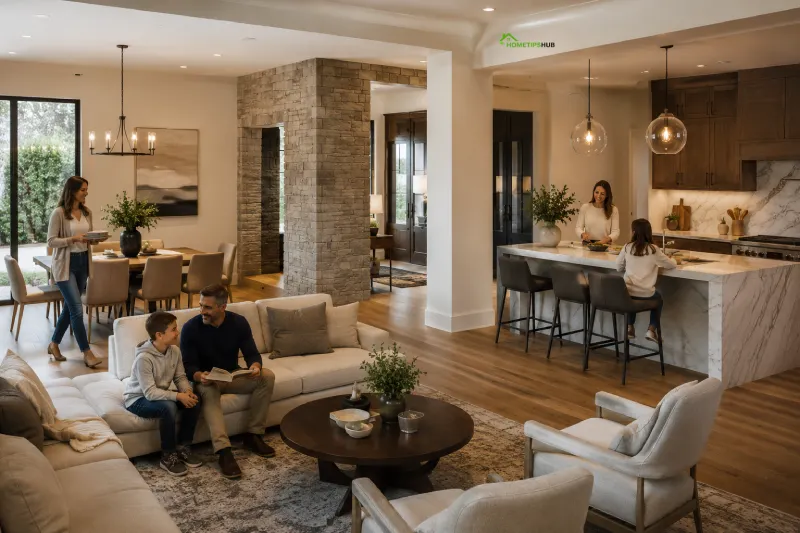
The magic of upscale home design often lies in how spaces flow together. When professionals discuss how to design luxury homes effectively, they emphasize layout as the foundation. Brilliant architecture makes layouts feel intuitive and spacious, even in generous square footage.
Flow and Functionality Matter in How to Design Luxury Homes
Begin with the question: “How do people move through this space?” For luxury homes, this means:
- Entry Sequences: Grand entries that create memorable first impressions while naturally guiding visitors
- Zoning: Clear separation between public entertaining spaces, private residential zones, and service areas
- Adjacencies: Placing complementary rooms near each other (kitchen near dining, master suite with spa-like bathrooms)
- Traffic Patterns: Designing pathways that don’t interrupt furniture arrangements or sightlines
When architects discuss how to design luxury homes at the highest level, they’re often referring to layouts that work so seamlessly you barely notice the planning. This is intentional mastery. Understanding how to design luxury homes means prioritizing these invisible details that make everything feel right.
Open vs. Defined Spaces in Luxury Home Design
Contemporary luxury homes often emphasize open floor plans that merge living, dining, and kitchen areas. However, when learning how to design luxury homes properly, you maintain subtle spatial definition through:
- Slightly different ceiling heights
- Material transitions (wood to stone, for example)
- Strategic pillar placement
- Lighting design that defines zones
- Subtle level changes
This approach delivers the openness people crave while maintaining intimate spaces for focused activities.
4. Select Premium Materials and Finishes
The tangible quality of your home comes through materials. Understanding how to design luxury homes means making informed material selections that combine beauty, durability, and appropriateness. Luxury interior and exterior design relies on selections that define the entire project.
Material Selection Strategy for Luxury Homes
| Material Category | Luxury Options | Why It Matters for How to Design Luxury Homes |
|---|---|---|
| Flooring | Italian marble, wide-plank hardwood, heated stone | Climate, maintenance, family lifestyle |
| Wall Finishes | Plaster, designer wallpaper, shiplap, wood paneling | Light, durability, aesthetic cohesion |
| Countertops | Marble, quartzite, natural stone, concrete | Functionality, durability, design impact |
| Hardware | Custom metalwork, Italian fixtures, artisan pieces | Finish longevity, brand reputation, consistency |
| Textiles | High-thread-count fabrics, natural fibers, luxury weaves | Performance, sustainability, aesthetic quality |
Material Sourcing When You Learn How to Design Luxury Homes
Quality materials often come from specialized suppliers rather than big-box retailers. When you explore how to design luxury homes professionally, consider:
- European sources for Italian marble, Portuguese tiles, and Scandinavian wood
- Artisan craftspeople for custom metalwork and millwork
- Heritage brands known for luxury products (Waterworks, Lacanche, Restoration Hardware)
- Local fabricators who understand your climate and can provide specialized expertise
The investment in premium materials becomes a key differentiator in elegant home design. These materials age beautifully, resist wear better, and contribute to the perceived value and longevity of your home. When you understand how to design luxury homes, material selection becomes a strategic decision.
5. Design Luxury Bathrooms and Kitchens
These are the highest-impact spaces in any luxury home design project. They significantly influence perceived value and daily satisfaction. When professionals discuss how to design luxury homes effectively, they emphasize perfecting these spaces.
Luxury Kitchen Design Excellence
A luxury kitchen functions as the home’s operational center and entertainment hub. When considering how to design luxury homes, kitchens deserve meticulous attention to:
- Layout: Island-based layouts with prep, cooking, and cleanup zones clearly separated
- Appliances: Professional-grade equipment (Wolf, La Cornue, Miele) integrated seamlessly
- Storage: Abundant, organized storage with custom cabinetry
- Materials: Combination of warm and cool elements (wood with marble, or concrete with brass)
- Lighting: Layered lighting including task, ambient, and accent options
Spa-Inspired Bathroom Design
Premium home architecture now expects bathrooms that rival resorts. When you commit to learning how to design luxury homes, include:
- Generously scaled spaces with separate areas for bathing, grooming, and water closet
- Luxury fixtures from brands like Waterworks, Toto Neorest, or Hansgrohe
- Natural materials such as marble, teak, and stone for authenticity
- Climate control: Heated floors, towel warmers, ventilation systems
- Aromatherapy and wellness features: Steam showers, soaking tubs with views, chromotherapy lighting
Understanding how to design luxury homes includes recognizing that bathrooms and kitchens set the tone for the entire property.
6. Integrate Smart Home Technology Seamlessly
Modern luxury home design incorporates technology without letting it dominate. When you learn how to design luxury homes today, smart systems should enhance comfort and convenience invisibly.
Essential Smart Home Elements in How to Design Luxury Homes
For contemporary luxury homes, consider these integrations:
- Climate Control: Zoned HVAC systems with programmable thermostats
- Lighting Automation: Scenes for different moods, daylight harvesting, circadian rhythm support
- Security Systems: Integrated video, access control, and monitoring
- Entertainment: Whole-home audio, hidden televisions, streaming infrastructure
- Energy Management: Real-time monitoring, solar integration, battery backup systems
Design Integration When You Implement How to Design Luxury Homes
Hide technology thoughtfully. Speakers disappear into ceilings, screens hide behind artwork or paneling, and control interfaces blend with wall finishes. This is where custom luxury home design distinguishes itself—technology enhances but never overwhelms. When professionals execute how to design luxury homes correctly, residents don’t see the technology; they simply enjoy its benefits.
7. Create Stunning Exterior Spaces
Your home’s exterior makes the first impression and extends your living space outdoors. This is crucial for luxury property design. When you begin how to design luxury homes, don’t overlook the exterior’s importance.
Landscaping and Hardscaping Excellence
Professional luxury villa design integrates landscapes as carefully as interiors:
- Entry Experience: Approach routes that build anticipation, feature water elements, or architectural lighting
- Outdoor Living: Terraces, pavilions, or loggias that extend entertaining space
- Water Features: Pools, fountains, or pond installations that add movement and tranquility
- Plantings: Mature specimens, seasonal interest, privacy screening strategically placed
- Lighting: Subtle uplighting, pathway illumination, and accent features that reveal the property at night
Architectural Exterior Details in Luxury Residential Architecture
Luxury residential architecture shows refinement in exterior details:
- Sophisticated material combinations (stone and wood, metal and glass)
- Properly proportioned windows and doors
- Distinctive roofline treatments
- Thoughtful color palettes
- Quality hardware and outdoor fixtures
When you understand how to design luxury homes holistically, the exterior commands as much attention as interior spaces.
8. Establish Cohesive Design Language
Successful luxury home design requires visual coherence throughout. Learning how to design luxury homes means creating unity across all spaces. This isn’t accidental—it’s the result of intentional design choices.
Design Consistency Strategy for How to Design Luxury Homes
Your home should feel like one unified composition, not a collection of disconnected rooms. Achieve this through:
- Color Palette: Typically 3-4 primary colors used consistently with accent variations
- Material Continuity: Repeating materials across spaces (marble appearing in entry, bathrooms, and kitchen)
- Stylistic Alignment: Mixing periods thoughtfully but maintaining overall aesthetic direction
- Proportion and Scale: Consistent sizing of architectural elements like doors, windows, and millwork
- Quality Level: Maintaining premium standards across all spaces, not just featured rooms
This cohesion is what distinguishes elegant home design from merely nice-looking spaces. Every room strengthens the overall composition. Professional designers understand that how to design luxury homes successfully requires this unified approach throughout.
9. Prioritize Energy Efficiency and Sustainability
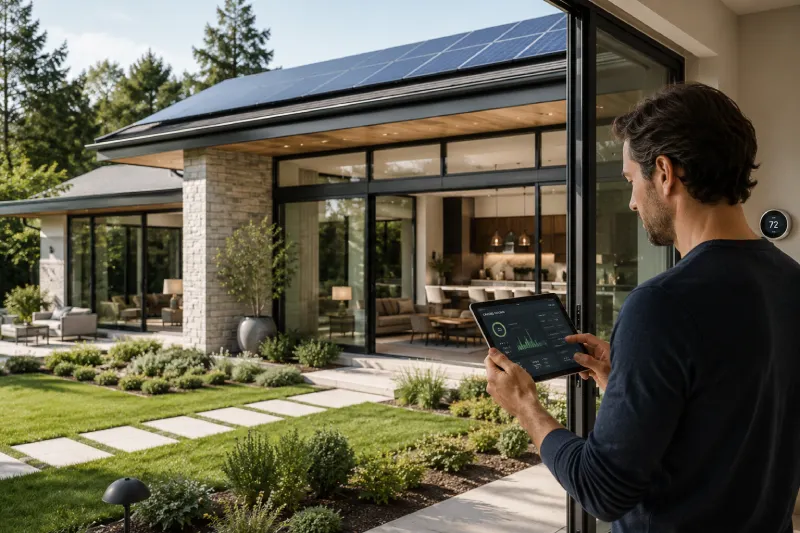
Modern luxury home design integrates environmental responsibility without compromising aesthetics or comfort. When you explore how to design luxury homes in 2024, sustainability is non-negotiable for discerning homeowners.
Sustainable Luxury Elements for How to Design Luxury Homes
- Building Envelope: High-performance windows, superior insulation, and air-sealing
- Materials: Sustainably sourced wood, recycled content products, low-VOC finishes
- Systems: High-efficiency HVAC, LED lighting throughout, water-conserving fixtures
- Renewable Energy: Solar panels (architecturally integrated), geothermal heating, or wind systems
- Smart Utilities: Demand-controlled ventilation, occupancy sensors, energy monitoring
Homeowners discover that sustainability and luxury align perfectly. Energy-efficient homes cost less to operate while maintaining superior comfort levels. Understanding how to design luxury homes now means incorporating these sustainable practices.
10. Plan for Flexibility and Future Adaptation
The best dream home design accounts for how lives change over time. When professionals discuss how to design luxury homes for longevity, they emphasize adaptability.
Design for Adaptability in Luxury Home Design
- Flexible Spaces: Rooms that can transform purposes (home office, guest bedroom, fitness space)
- Accessibility: Universal design principles that work for people of all ages and abilities without appearing institutional
- Scalable Technology: Systems that upgrade easily without major renovation
- Durable Materials: Selections that age beautifully rather than requiring replacement
Learning how to design luxury homes includes designing for the future. Your home should evolve with your life while maintaining its essential character and quality.
Essential Luxury Home Design Comparison Table
| Aspect | Traditional Luxury | Contemporary Luxury | Transitional Luxury |
|---|---|---|---|
| Color Palette | Rich jewel tones, neutrals | Minimalist, bold accents | Warm neutrals with pops |
| Materials | Marble, dark wood, brass | Concrete, glass, chrome | Mix of both styles |
| Layout | Defined, formal rooms | Open, flowing spaces | Balanced combination |
| Details | Ornate millwork, chandeliers | Minimalist, hidden elements | Selective, refined details |
| Technology | Integrated discreetly | Seamlessly built-in | Purposefully placed |
| Aesthetic | Timeless elegance | Modern sophistication | Approachable refinement |
Frequently Asked Questions About How to Design Luxury Homes
Q1: What budget do I need for how to design luxury homes?
Luxury homes vary dramatically in cost based on location, size, and specifications. A modest 3,000-square-foot luxury house design might range from $500,000 to $2 million depending on finishes and location. Ultra-luxury projects can exceed $5 million. When you’re planning how to design luxury homes, work with your architect to establish realistic budgets based on your vision and then make intentional choices about where to invest most heavily.
Q2: How long does the process of how to design luxury homes typically take?
For custom luxury home design, expect 6-12 months for the design phase and 12-24 months for construction. Complex projects or those requiring specialized permits may extend timelines. Learning how to design luxury homes requires patience; rushing this process compromises results. The design phase is where you establish the vision for how to design luxury homes correctly.
Q3: When implementing how to design luxury homes, should I hire an interior designer separately from my architect?
It depends on your architect’s strength when considering how to design luxury homes. Some architects excel at spatial design but lack interior expertise. Others manage both masterfully. For critical spaces like kitchens and primary baths, specialized input makes sense. Many successful projects use collaborative teams where architects and interior designers work together on how to design luxury homes, combining their expertise.
Q4: How can I avoid trendy choices when I learn how to design luxury homes?
Focus on timeless elements: excellent proportions, quality materials, and refined details. Trends should appear in easily changeable layers—artwork, textiles, accessories—not in structural elements or expensive finishes. When professionals discuss how to design luxury homes correctly, they emphasize permanence in bones and flexibility in finishes.
Q5: What’s the most important factor when you decide how to design luxury homes?
Intentionality. Every design decision should serve purpose beyond aesthetics. Whether maximizing views, optimizing flow, or creating specific moods in different spaces, the homes that command the highest regard reflect thoughtful consideration of how people actually live. This is what separates good luxury home design from exceptional how to design luxury homes projects.
Conclusion: Your Luxury Home Awaits
Learning how to design luxury homes is a rewarding journey that requires patience, expertise, and clear vision. By following these ten foundational steps in how to design luxury homes, you’re equipped to guide the creation of a truly exceptional property that reflects your lifestyle, values, and aspirations.
Remember that understanding how to design luxury homes isn’t about excess or following trends—it’s about creating spaces of uncompromising quality that enhance every aspect of your life. From the strategic luxury home planning phase through selecting premium materials and integrating technology thoughtfully, each decision contributes to the final masterpiece when you commit to how to design luxury homes properly.
The most successful dream home design projects succeed because homeowners invested time understanding their vision, assembled expert teams, and remained committed to excellence throughout the process. Your luxury residential architecture should be as unique as you are when you focus on how to design luxury homes authentically.
Ready to transform your luxury home vision into reality? Start by defining your design philosophy, gathering visual inspiration, and connecting with experienced professionals who understand how to design luxury homes successfully. When you prioritize this process, your exceptional home is closer than you think—and the steps in this guide light the path forward to creating the luxury home design of your dreams.