
Learning how to do dry cleaning clothes at home can save money, time, and trips to the cleaners while keeping your favorite pieces looking sharp. Many “dry clean only” labels are more cautionary than absolute rules. With the right approach, you can refresh wool sweaters, silk blouses, coats, and even some suits using simple tools you already own or inexpensive kits.
This guide walks through practical, tested methods so you can handle everyday freshening and light cleaning yourself. You’ll find step-by-step instructions, fabric-specific advice, safety notes, and 11 clear tricks that actually work. Always check care labels first and test any method on a hidden spot.
Why Try Home Methods for Dry-Clean-Only Clothes?
Professional dry cleaning uses chemical solvents that remove oils and soils without water. At home, we approximate that effect with steam, gentle detergents, odor absorbers, and controlled moisture. These techniques work best on lightly worn or slightly soiled items. Heavily stained, structured, or high-value garments still belong at a professional cleaner.
Common reasons people search for how to do dry cleaning clothes at home include cost savings, convenience, and avoiding harsh chemicals. When done carefully, home approaches can extend the life of delicates between professional cleanings.
Trick 1: Use a Commercial At-Home Dry Cleaning Kit
One of the easiest ways for how to do dry cleaning clothes at home is with a ready-made kit such as Dryel or similar brands. These kits include stain removers, cleaning cloths, and a reusable bag designed for the dryer.
Steps:
- Pretreat visible stains with the included remover or wipe.
- Place 1–5 similar garments in the bag with one cleaning cloth.
- Tumble on medium heat for 15–30 minutes (follow package timing).
- Remove promptly and hang or lay flat to finish.
The heat activates the cloth, releasing steam and fragrance that refreshes fabric and reduces wrinkles. Kits work well for everyday blouses, trousers, and sweaters but are less effective on heavy grease or set-in stains. This remains one of the most popular routes when learning how to do dry cleaning clothes at home.
Trick 2: Hand-Wash Delicate Fabrics Gently
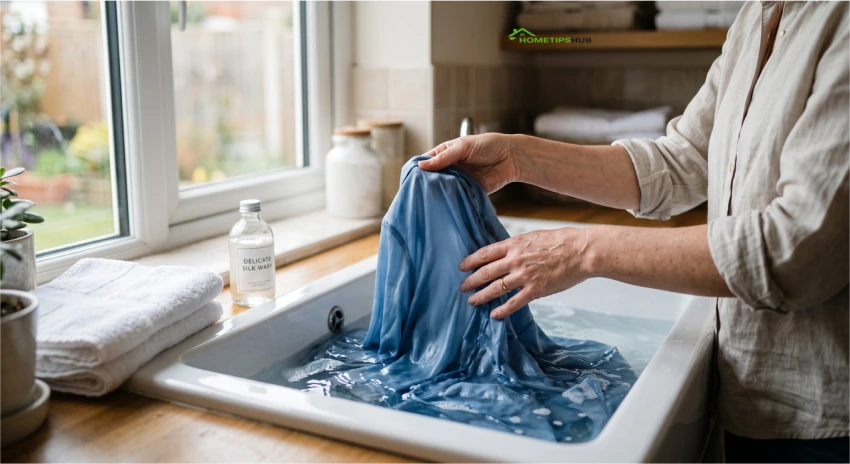
Many silk, wool, cashmere, and rayon pieces tolerate careful hand washing better than people expect. This is a core technique for how to do dry cleaning clothes at home without a machine or kit.
Materials: Cold or cool water, mild liquid detergent formulated for delicates or wool/silk, clean basin or sink, white towels.
Method:
- Fill the basin with cool water and a small amount of detergent.
- Submerge the garment and gently swish—no rubbing or twisting.
- Soak 10–20 minutes max.
- Drain, refill with clean cool water, and rinse thoroughly.
- Press excess water against the side of the basin or roll in a towel. Never wring.
- Reshape and dry flat on a clean towel or rack, away from direct sun and heat.
Always test colorfastness first by dabbing a hidden seam with water and a cotton swab. If dye transfers, stop and go professional.
Trick 3: Steam to Freshen and De-Wrinkle
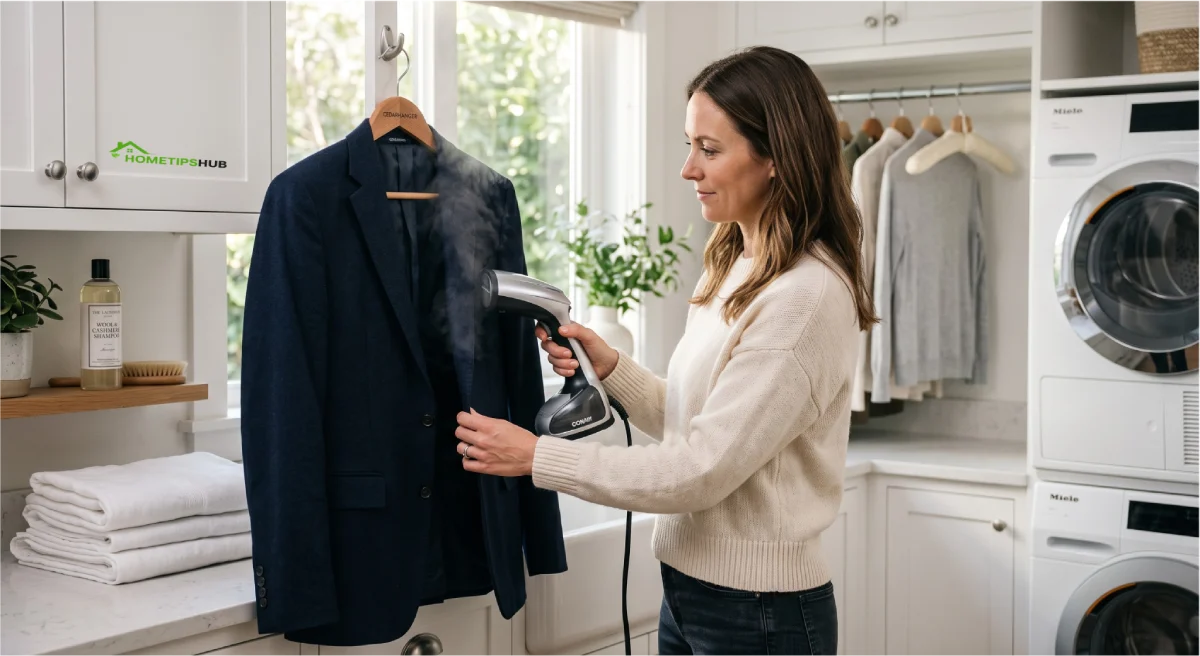
A handheld steamer is excellent for how to do dry cleaning clothes at home when items need odor and wrinkle removal rather than full washing. Steam kills surface bacteria, relaxes fibers, and lifts light smells without soaking the fabric.
Hang the garment on a sturdy hanger. Hold the steamer a few inches away and move slowly from top to bottom. For extra freshness, add a few drops of essential oil to the water reservoir if the steamer allows it. This method shines for suits, coats, and structured pieces that should not get wet.
Trick 4: DIY Dryer Refresh with a Damp Cloth
No kit? Create a simple version for how to do dry cleaning clothes at home.
Mix a solution of water, a splash of white vinegar, and optional essential oil. Soak a clean white cloth, wring it well, and place it in a pillowcase or mesh bag with the garments. Tumble on low or medium heat for 15–20 minutes. Remove and hang immediately. The moisture creates gentle steam that refreshes fabric.
Trick 5: Air Out and Absorb Odors Naturally
Sometimes the best answer for how to do dry cleaning clothes at home is simply fresh air and time. Hang garments outdoors in the shade or in a well-ventilated room for several hours. Sprinkle baking soda lightly over the fabric, let it sit, then brush or shake it off. Baking soda absorbs odors effectively on wool and other natural fibers.
For underarm or smoke smells, a light mist of vodka (plain, unflavored) mixed with water works surprisingly well. The alcohol evaporates quickly and neutralizes odor molecules. Test first on a hidden area.
Trick 6: Spot-Treat Stains Before Full Cleaning
Successful how to do dry cleaning clothes at home almost always starts with targeted stain work. Blot—never rub—fresh spills. For many protein-based fabrics, a tiny bit of mild detergent diluted in cool water or a specialized stain stick designed for delicates is enough. Place an absorbent cloth underneath the stain so the soil transfers out rather than spreads.
Oil-based stains may need a solvent-based pretreater; water-based ones respond better to gentle detergent. Always blot from the outside of the stain toward the center.
Fabric-Specific Guidance
Different materials need tailored care when practicing how to do dry cleaning clothes at home.
| Fabric | Recommended Home Method | Key Caution | Drying Tip |
|---|---|---|---|
| Silk | Hand wash cool + mild detergent or steam | Avoid wringing; test color first | Hang or flat, reshape |
| Wool/Cashmere | Hand wash or kit + steam | No agitation or heat; dry flat | Reshape while damp |
| Suits (structured) | Steam + spot clean only | Avoid soaking; protect shape | Hang on proper hangers |
| Coats | Steam, air out, light kit use | Heavy items risk stretching when wet | Hang fully supported |
| Rayon/Blends | Hand wash or kit carefully | Can shrink or lose shape | Flat preferred |
This table summarizes the safest starting points. Structured jackets and anything with interfacing or shoulder pads are higher risk for home water methods.
Trick 7: Make a Simple Homemade Cleaning Solution
For a basic homemade option while exploring how to do dry cleaning clothes at home, combine in a bowl: about ¾ cup water, a few tablespoons white vinegar, a teaspoon of borax or oxygen bleach powder (if color-safe), and a drop of mild detergent. Soak a white cloth in the mixture, wring thoroughly, and use it in a dryer bag with garments as described earlier. Use this only on items you have already tested and never on heavily soiled or valuable pieces.
Trick 8: Machine-Wash Select Items on Delicate
Some “dry clean” (not “only”) labels allow gentle machine washing. Turn garments inside out, place in a mesh bag, use cold water and mild detergent on the delicate cycle with low spin. Remove immediately and air dry. This is not ideal for silk or pure wool but can work for certain synthetics and sturdy blends. When in doubt, stick to hand methods.
Trick 9: Brush and Maintain Between Cleanings
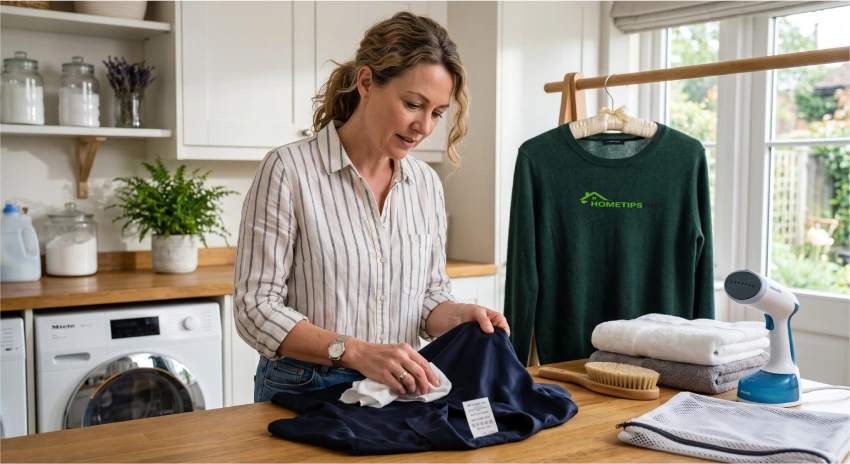
Regular brushing with a soft garment brush removes surface dirt and lint before it sets. After wearing, hang items to air for a day before putting them away. These habits reduce how often you need full cleaning and support long-term success with how to do dry cleaning clothes at home.
Trick 10: Handle Coats and Outerwear Carefully
Coats often carry linings and structure that complicate full washing. Focus on steaming the exterior, spot-cleaning the interior, and airing thoroughly. For wool coats, a light kit cycle on low heat can help if the label permits and the coat is not heavily soiled. Always support the full weight on a sturdy hanger afterward.
Trick 11: Know When to Stop and Call a Professional
True expertise in how to do dry cleaning clothes at home includes recognizing limits. Skip home methods for:
- Items with “professionally dry clean only” wording
- Leather, suede, velvet, or heavily embellished pieces
- Structured suits with canvas interfacing
- Valuable or sentimental garments
- Heavy, set-in stains or unknown spills
Pushing too far risks irreversible shrinkage, color loss, or shape distortion.
Safety and Best Practices Checklist
| Practice | Why It Matters | Quick Tip |
|---|---|---|
| Colorfastness test | Prevents bleeding | Dab hidden area with water + cloth |
| Cool water only | Reduces shrinkage and dye migration | Never hot for protein fibers |
| No wringing | Protects fiber integrity | Press or roll in towels |
| Air dry flat when needed | Maintains shape | Especially for knits and wool |
| Ventilation | Safer solvent or vinegar use | Open windows or work outdoors |
| Immediate hanging | Minimizes wrinkles | Right after dryer or steaming |
Follow these consistently for better results and fewer surprises.
Common Questions About Home Dry Cleaning
Can you really dry clean clothes at home the same way professionals do?
No. Home methods refresh and clean lightly soiled items using water, steam, or mild agents. They do not fully replicate solvent-based professional dry cleaning. Many people still achieve excellent everyday results with the techniques above.
Is it safe to use vinegar or baking soda on dry-clean-only fabrics?
Yes for most natural fibers when diluted and tested first. Vinegar helps with odors and light soils; baking soda absorbs smells. Avoid on very delicate or dyed pieces without a patch test.
How often should I attempt home methods versus professional cleaning?
Freshen with steam, airing, or kits as needed between wears. Schedule professional cleaning a few times a year or when stains and odors persist. Over-cleaning—whether home or pro—can wear fibers faster.
What is the best way to remove odors from dry-clean-only clothes?
Steam, outdoor airing, baking soda, or a light vodka mist are effective and low-risk. These approaches support ongoing how to do dry cleaning clothes at home without full immersion.
Are home dry cleaning kits worth buying?
For frequent light refreshing of multiple garments, yes. They are convenient and relatively inexpensive compared with repeated professional visits. Results vary by fabric and soil level.
Final Tips for Consistent Success
Practice on less expensive or older items first. Keep a dedicated “delicates” kit with mild detergent, white cloths, a soft brush, and a steamer if possible. Store cleaned garments properly on padded hangers or folded with acid-free tissue to protect your work.
Mastering how to do dry cleaning clothes at home gives you more control over your wardrobe and reduces reliance on outside services. Start with the simplest refreshes—steaming and airing—then move to kits or hand washing as you gain confidence. Your clothes will thank you with longer life and fresher appearance.
Ready to try? Pick one lightly soiled item today, follow the steps carefully, and notice the difference. For more laundry and fabric-care advice, explore related guides on gentle washing and stain removal. Your next favorite outfit is only a careful clean away.