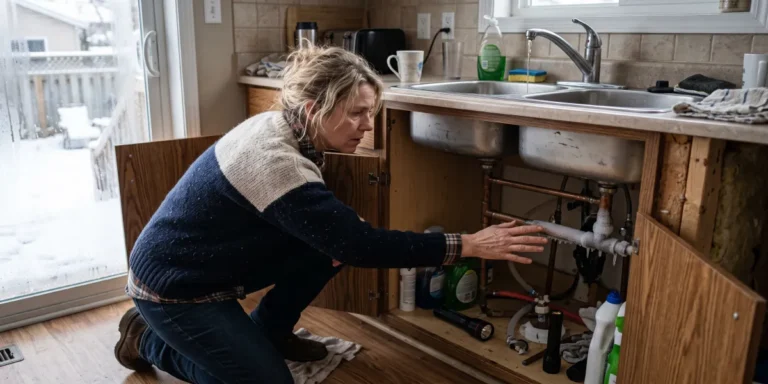

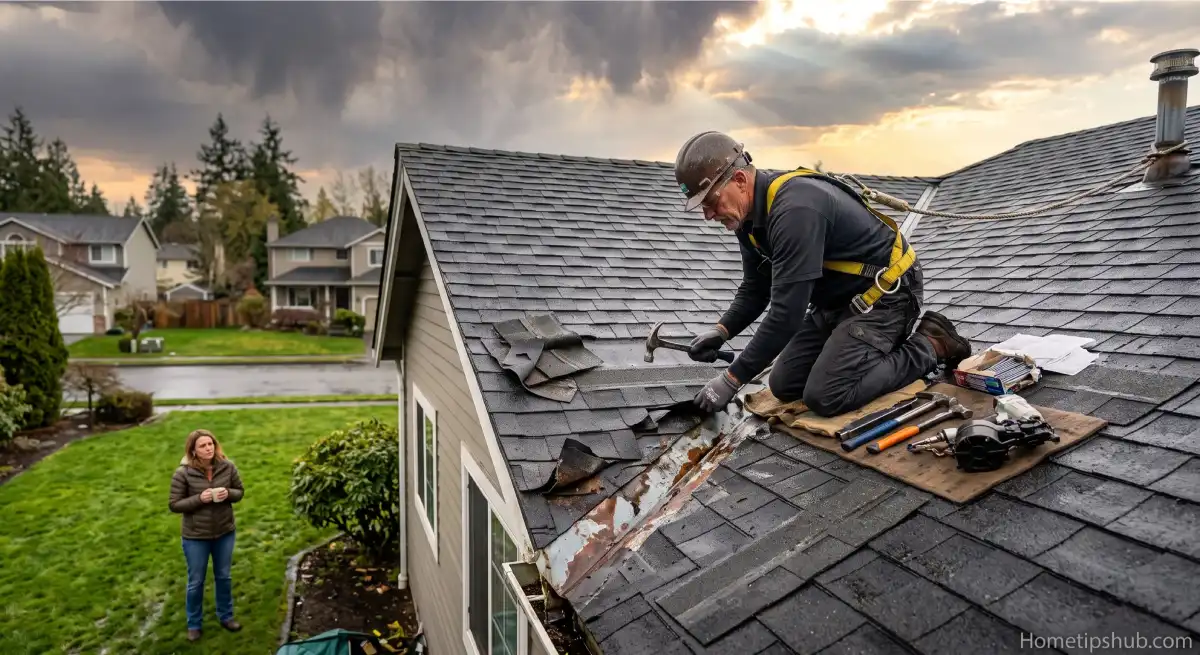
A single drip from your ceiling can turn into a five-figure headache faster than most homeowners realize. Roof leak repair isn’t just about patching a hole — it’s about protecting your insulation, your drywall, your electrical system, and your family’s peace of mind. Whether you’ve spotted a damp stain spreading across the ceiling or you’re dealing with a full-blown indoor waterfall during a storm, you’re probably asking the same question: how do I fix this, and how much is it going to cost me?
This guide walks you through everything you need to know about fixing a leaking roof, from spotting the earliest warning signs to understanding when you need emergency roof leak repair versus a routine fix. We’ll cover the most common trouble spots — flashing, vents, pipe boots, valleys, and shingles — plus give you realistic cost expectations and answer the questions homeowners ask most.
Why Roof Leak Repair Should Never Wait
Water doesn’t respect schedules. A small leak today can undermine your roof deck, rot your framing, and invite mold within weeks. That’s why prompt roof leak repair matters so much, even when the drip seems minor.
Here’s what delayed leaking roof repair typically leads to:
- Warped or stained ceiling drywall
- Soaked, ineffective attic insulation
- Mold and mildew growth in hidden spaces
- Electrical hazards from water reaching wiring
- Structural rot in rafters and decking
If you’re Googling “roof leak repair near me” right now because water is actively coming through your ceiling, stop reading for a moment, place a bucket under the drip, and move any valuables out of the way. Then keep reading — we’ll get you the right next steps.
Signs You Need Roof Leak Detection Before It’s Too Late
Not every roof problem is obvious. Professional roof leak detection often uncovers issues long before they turn into a soaked ceiling. Watch for:
Interior Warning Signs
- Brown or yellow ceiling stains
- Peeling paint near the roofline
- A musty smell in the attic
- Sagging ceiling tiles or drywall
Exterior Warning Signs
- Curling, cracked, or missing shingles
- Rusted or lifted flashing
- Granules collecting in gutters
- Daylight visible through the attic roof boards
Catching these signs early turns an emergency into a simple, affordable fix rather than a full roof replacement.
Emergency Roof Leak Repair: What to Do Right Now

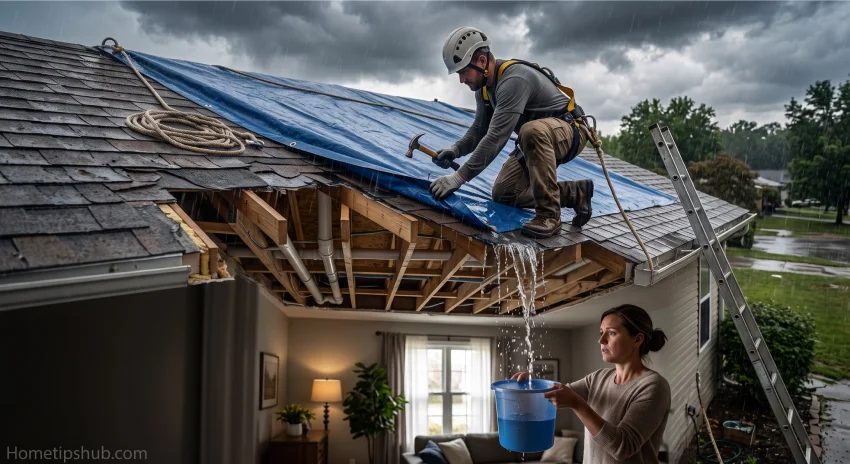
When water is actively pouring in, emergency roof leak repair is about damage control first, permanent fixes second. Here’s a quick action plan:
- Contain the water — bucket, tarp, or towels indoors.
- Relieve ceiling bulges — a small controlled hole lets pooled water drain instead of collapsing the ceiling.
- Cover the exterior source — a tarp weighted down over the damaged area can hold until help arrives.
- Call a licensed roofer — many companies offer 24/7 emergency roof leak repair for exactly this situation.
- Document everything — photos help with insurance claims later.
Most reputable roof leak repair services can dispatch a technician within hours during severe weather events, so don’t hesitate to call even at night.
Roof Leak Repair Cost: What to Realistically Expect
One of the most common questions homeowners ask is about the cost of fixing a leak. While every job varies by roof type, damage extent, and location, here are typical national ranges:
| Repair Type | Average Cost Range |
|---|---|
| Minor shingle repair | $150 – $400 |
| Flashing repair | $200 – $600 |
| Vent or pipe boot repair | $150 – $450 |
| Valley leak repair | $300 – $1,000 |
| Flat roof leak repair | $300 – $1,200 |
| Emergency tarping/service call | $150 – $500 |
Factors that push repair costs higher include steep roof pitch, multiple story homes, hard-to-reach leaks, and extensive water damage that requires deck replacement. Always get at least two written estimates before committing, and confirm whether the quote includes interior water damage repair or just the roof itself.
14 Powerful Fixes for Common Roof Leak Repair Situations
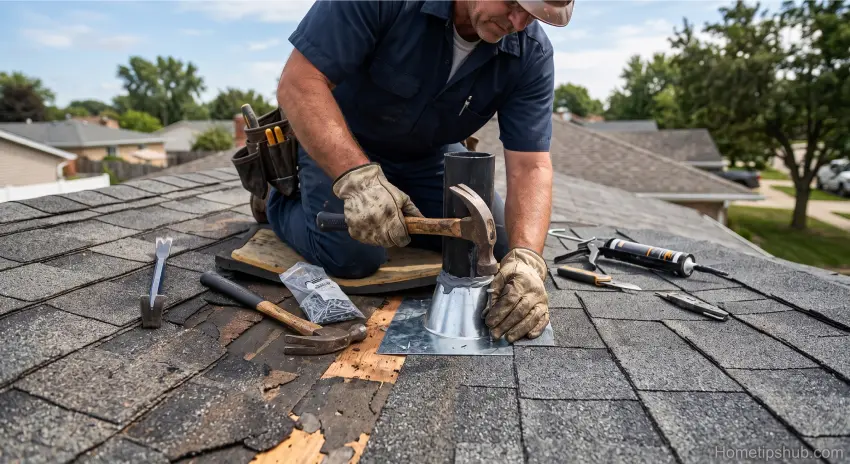
Below are the most frequent repair scenarios homeowners and commercial property owners face, along with what each fix typically involves.
1. Roof Flashing Repair
Flashing seals joints around chimneys, walls, and roof intersections. Roof flashing repair usually involves re-sealing or replacing corroded metal strips and applying fresh roofing cement.
2. Roof Vent Leak Repair
Cracked vent covers are a leading cause of attic leaks. Roof vent leak repair typically means replacing the vent boot or resealing its base.
3. Roof Pipe Boot Repair
The rubber gasket around plumbing stacks dries out over time. Roof pipe boot repair replaces the collar to restore a watertight seal.
4. Roof Valley Leak Repair
Valleys channel large volumes of water and are prone to wear. Roof valley leak repair often includes new underlayment and valley flashing.
5. Roof Shingle Repair
Cracked, curled, or missing shingles are replaced individually during roof shingle repair, restoring the roof’s protective layer.
6. Asphalt Shingle Roof Repair
For the most common roofing material in the U.S., asphalt shingle roof repair addresses granule loss, blistering, and wind damage.
7. Metal Roof Leak Repair
Metal roof leak repair typically targets fastener backouts, seam separation, or panel corrosion using specialized sealants.
8. Flat Roof Leak Repair
Flat roof leak repair often involves patching membrane punctures or resealing seams on TPO, EPDM, or built-up roofing systems.
9. Tile Roof Leak Repair
This job usually means replacing cracked tiles and repairing the underlayment beneath them, since tiles alone aren’t waterproof.
10. Roof Water Leak Repair Around Skylights
Skylight seals degrade with UV exposure. This roof water leak repair involves re-caulking and flashing replacement.
11. Chimney Flashing Leak Fix
Similar to general flashing work, this fix reseals the step and counter-flashing around masonry chimneys.
12. Nail Pop Repair
Exposed or backed-out nails create tiny leak points, fixed by resealing or replacing the nail and surrounding shingle.
13. Gutter and Drainage Correction
Poor drainage can force water under shingles. Correcting slope and clearing debris prevents recurring leaks.
14. Full Section Re-Roofing
When damage is widespread, a full section replacement may be the most cost-effective long-term fix.
Residential vs. Commercial Roof Leak Repair
Residential roof leak repair typically deals with pitched roofs, asphalt shingles, and smaller repair areas. Homeowners often need quick turnaround since leaks directly affect living spaces.
Commercial roof leak repair usually involves flat or low-slope membrane systems covering much larger areas. These repairs often require specialized equipment, safety protocols, and coordination with tenants or business operations to minimize disruption.
Both categories benefit from routine inspections — ideally twice a year — to catch small issues before they become expensive emergencies.
How to Fix a Roof Leak Yourself (Temporary Measures Only)
If you’re handy and the leak is minor, here’s how to fix a roof leak as a stopgap until a professional can complete a permanent repair:
- Locate the leak’s source in the attic using a flashlight, tracing water stains back to their highest point.
- Clear debris from the area.
- Apply roofing sealant or cement to the identified crack or gap.
- Place a tarp over the exterior area if rain is expected before a permanent fix.
DIY fixes work best as temporary measures. A licensed contractor should always inspect and complete permanent repairs, especially on steep roofs or during active weather.
Choosing Reliable Roof Leak Repair Services
When searching for roof leak repair near me, look for:
- Valid state licensing and insurance
- Positive, verifiable customer reviews
- Written estimates with clear scope of work
- Manufacturer certifications for your roofing material
- Warranty on both labor and materials
A trustworthy roofer will also perform a full roof leak detection assessment rather than just patching the visible symptom, ensuring the actual source is addressed.
Frequently Asked Questions
How much does roof leak repair cost on average?
Most minor repairs range from $150 to $600, while more extensive issues like valley or flat roof fixes can run $300 to $1,200 depending on damage severity and roof type.
Can a roof leak be repaired without replacing the whole roof?
Yes. The vast majority of leaks are localized issues — flashing, vents, or shingles — that can be repaired without a full roof replacement.
How do I find emergency roof leak repair near me?
Search for local roofing companies offering 24/7 service, check reviews for response time, and confirm they can tarp the area same-day if needed.
What causes most roof leaks?
Damaged flashing, worn pipe boots, cracked shingles, and clogged gutters are the most common culprits behind a leaking roof.
Is this type of repair covered by homeowners insurance?
Often yes, if the damage results from a sudden event like a storm. Gradual wear-and-tear leaks are typically not covered, so document damage promptly and consult your policy.
Final Thoughts: Don’t Let a Small Leak Become a Big Problem
Whether you’re dealing with a slow drip or need emergency roof leak repair after a storm, acting quickly protects your home and your wallet. From flashing and vent repairs to full valley or flat roof fixes, understanding your options helps you make confident decisions and avoid overpaying.
If you’ve noticed stains, missing shingles, or musty attic smells, don’t wait for the next big storm to find out how bad the damage really is. Contact a licensed, local roofing professional today for an inspection and a clear, honest estimate — your roof (and your ceiling) will thank you.