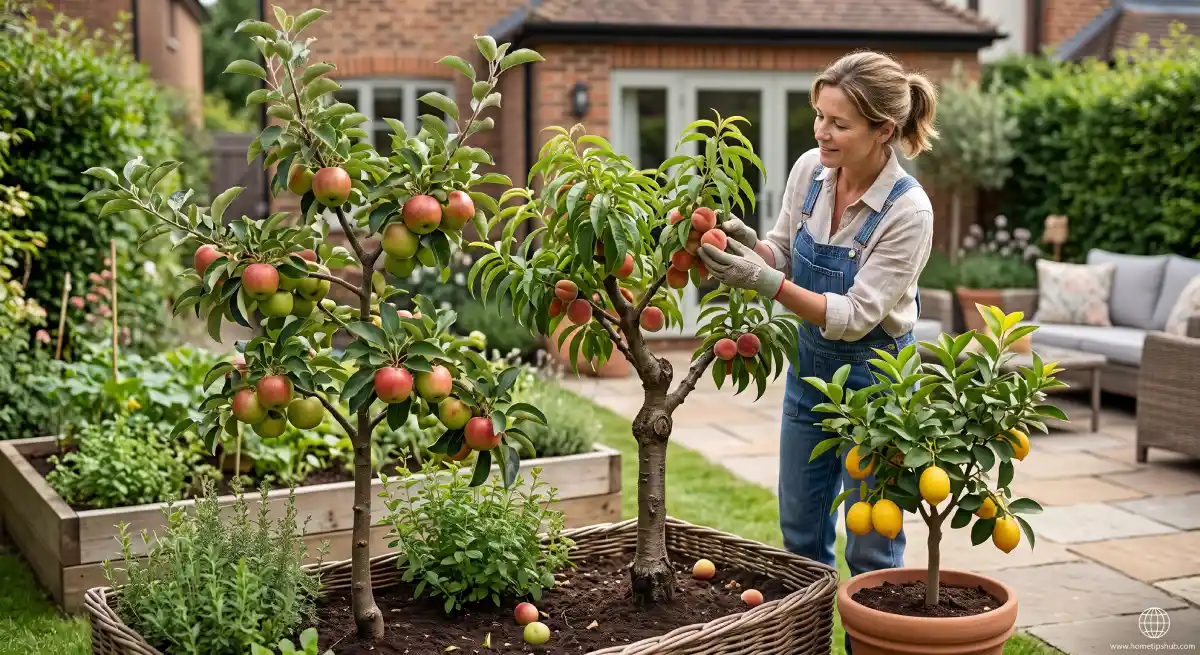
Imagine walking into your backyard, patio, or even your living room and picking a fresh, juicy apple or peach straight off a tree you grew yourself — without needing an acre of land. That’s the magic of dwarf fruit trees. They’ve become one of the fastest-growing trends in home gardening, and for good reason: these compact plants are productive, space-efficient, and surprisingly easy to manage, even for total beginners.
Whether you’re searching for options for sale, wondering what’s available near you, or trying to figure out if a self pollinating fruit tree is right for your small yard, this guide covers everything you need to know. We’ll walk through the best varieties, realistic size expectations, care tips, and answers to the questions real gardeners are asking on forums like Reddit.
By the end of this article, you’ll know exactly which miniature fruit trees fit your space, how to care for them, and where to buy healthy, productive stock. Let’s dig in.
What Are Dwarf Fruit Trees, Exactly?
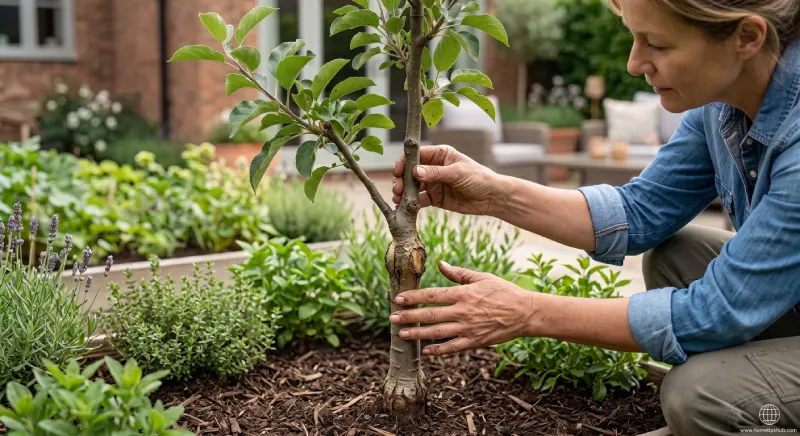
Dwarf fruit trees are fruit-bearing trees grafted onto specially selected rootstock that limits their overall height and spread while still allowing them to produce full-sized, full-flavored fruit. Unlike a standard tree that can grow 20-30 feet tall, most compact varieties max out at 8-10 feet, making them perfect for small yards, urban gardens, and even large containers.
The rootstock — not the fruit variety itself — is what controls the plant’s ultimate size. This means a smaller apple tree and a standard-sized one can produce identical apples; the compact version is just grafted onto a smaller root system.
There are actually three main categories worth knowing:
- Standard rootstock: Full-size trees, 20+ feet tall
- Semi-dwarf rootstock: Mid-size trees, 12-15 feet tall
- Dwarf rootstock: Compact trees, 8-10 feet tall
- Ultra dwarf fruit trees: The smallest option, often staying under 6 feet, ideal for patios and containers
This size flexibility is exactly why compact fruit-bearing trees have exploded in popularity among home gardeners who want fresh produce without dedicating half their property to an orchard.
Why Smaller Fruit Trees Are Perfect for Small Spaces
Not everyone has room for a sprawling orchard, and that’s precisely the problem these space-saving trees solve. Here’s why so many gardeners are making the switch:
- Space efficiency – You can fit three or four compact trees in the space a single standard tree would need.
- Easier harvesting – No ladders required. Most stay within arm’s reach.
- Faster fruiting – Many varieties bear fruit within 2-3 years, compared to 4-6 years for full-size trees.
- Simpler pruning and spraying – Lower height means less strain and safer maintenance.
- Container compatibility – Perfect for patios, balconies, and even indoor growing in the right climate.
If you live in a suburban home, a townhouse with a small patio, or even an apartment with a sunny balcony, these compact trees make backyard fruit production genuinely achievable.
Best Dwarf Fruit Tree Varieties to Consider
Not all compact varieties are created equal. Some are better suited for beginners, while others require a bit more attention. Below is a breakdown of the most popular options.
Dwarf Apple Trees
Dwarf apple trees are among the most popular choices for home growers, and it’s easy to see why. Varieties like Honeycrisp, Gala, and Fuji thrive on this rootstock and typically reach only 8-10 feet at maturity. Many start producing fruit in as little as 2-3 years.
Dwarf Peach Tree Options
A dwarf peach tree is a fantastic option if you want fast results — peach varieties are known for bearing fruit sooner than apples or pears. Most stay between 6-8 feet tall and produce full-size, sweet peaches. They do require full sun (at least 6-8 hours daily) and well-draining soil.
Self-Pollinating Dwarf Fruit Trees
If you only have room for one tree, self-pollinating dwarf fruit trees are your best friend. Unlike varieties that need a second plant nearby for cross-pollination, self pollinating apple trees and self-fertile peach or citrus varieties can produce a harvest entirely on their own.
Popular self-pollinating options include:
- Anna and Dorsett Golden apple varieties
- Most peach and nectarine cultivars
- Meyer lemon (great for growing indoors)
- Fig trees
- Sour cherry varieties
Dwarf Fruit Trees Size: What to Realistically Expect
One of the most searched questions involves realistic mature dimensions — and understandably so, since size expectations directly affect planting decisions.
| Tree Type | Mature Height | Mature Spread | Time to First Fruit |
|---|---|---|---|
| Standard Fruit Tree | 20-30 ft | 20-25 ft | 4-6 years |
| Semi-Dwarf Variety | 12-15 ft | 12-15 ft | 3-5 years |
| Dwarf Fruit Tree | 8-10 ft | 8-10 ft | 2-4 years |
| Ultra Dwarf Fruit Tree | 4-6 ft | 4-6 ft | 2-3 years |
Keep in mind that actual mature dimensions can vary based on climate, soil quality, pruning habits, and rootstock type. Regular pruning can also keep a tree smaller than its natural size if space is tight.
Growing Indoor Dwarf Fruit Trees
Yes, you really can grow fruit trees indoors — with the right setup. Indoor dwarf fruit trees are especially popular for citrus varieties like dwarf lemon, lime, and Meyer lemon, along with fig trees and even certain compact peach varieties in large pots.
Tips for Success Growing Fruit Trees Indoors
- Place near a south-facing window or use a full-spectrum grow light for at least 8 hours daily
- Choose a container at least 15-20 inches in diameter with drainage holes
- Use well-draining potting mix formulated for citrus or fruit trees
- Water when the top 1-2 inches of soil feel dry
- Move containers outdoors during warm months to encourage pollination and stronger growth
- Hand-pollinate with a small paintbrush if no pollinators are present
Indoor dwarf fruit trees won’t produce as heavily as outdoor-grown specimens, but with consistent light and care, many varieties will still yield a respectable harvest.
Where to Buy Dwarf Fruit Trees
If you’re ready to buy one, you have several solid options depending on your budget, selection preferences, and how quickly you want your tree.
| Source | Pros | Cons | Best For |
|---|---|---|---|
| Local Nurseries | Expert advice, climate-appropriate stock | Limited variety selection | First-time buyers |
| Home Depot / Big Box Stores | Affordable, convenient, seasonal availability | Inconsistent quality, less specialized care | Budget shoppers |
| Online Specialty Nurseries | Huge variety, detailed growing info | Shipping stress on trees | Rare or specific varieties |
| Local Farmers/Orchards | Regionally adapted stock | Limited availability | Climate-specific matches |
Searching “dwarf fruit trees Home Depot” is a common starting point for many home gardeners, and it’s a reasonable option for popular varieties like apple or peach cultivars at a lower price point. However, for self-pollinating or ultra dwarf fruit trees, specialty online nurseries typically offer better selection and healthier root systems.
If you’re searching for dwarf fruit trees near me, check with your local agricultural extension office — they often maintain lists of nurseries that carry stock suited to your specific USDA hardiness zone, which matters significantly for long-term health.
(Internal linking opportunity: link to a related post such as “How to Choose the Right USDA Hardiness Zone for Your Fruit Trees” or “Complete Fruit Tree Planting Guide.”)
Planting and Caring for Dwarf Fruit Trees
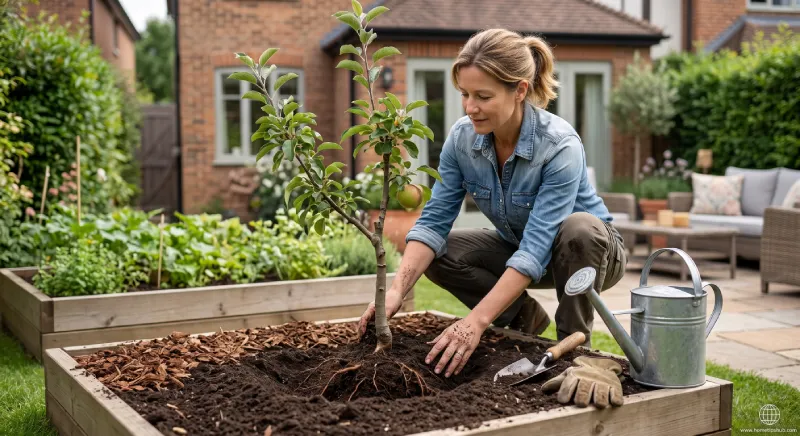
Proper planting sets the foundation for years of healthy harvests. Follow these steps for the best results:
Step-by-Step Planting Guide
- Choose the right location – Full sun (6-8 hours daily) and well-draining soil are non-negotiable.
- Dig a proper hole – Twice as wide as the root ball, but no deeper than the root system itself.
- Check the graft union – Keep it 2-3 inches above soil level to prevent the rootstock from being overtaken.
- Backfill and water thoroughly – Eliminate air pockets and water deeply after planting.
- Mulch around the base – A 2-3 inch layer helps retain moisture and regulate temperature.
- Stake if necessary – Especially important for young trees in windy areas.
- Prune annually – Late winter pruning encourages strong structure and better fruit production.
Ongoing Care Checklist
- Water deeply once or twice weekly, more often during hot summer months
- Fertilize in early spring with a balanced fruit tree fertilizer
- Monitor for pests like aphids, codling moths, and scale insects
- Thin fruit clusters in early summer to prevent overloaded branches
- Apply dormant oil spray in late winter to prevent common diseases
Common Questions from the Reddit Gardening Community
Anyone who’s spent time browsing Reddit gardening threads knows that the online community around compact fruit trees is full of honest, real-world experiences that go beyond what you’ll find on a nursery website. Some of the most frequently discussed topics include:
- “Do they really stay small?” Generally yes, though rootstock quality and pruning habits play a major role.
- “Best self pollinating fruit tree for a small backyard?” Dwarf peach and fig trees come up repeatedly as beginner favorites.
- “How long until dwarf apple trees fruit?” Most users report seeing their first apples within 2-3 years.
- “Are ultra dwarf fruit trees worth it?” Opinions are mixed — great for tiny spaces, but they often require more frequent watering and feeding due to their smaller root systems.
These community insights reinforce a key point: compact fruit trees are beginner-friendly, but success still depends on proper site selection, watering consistency, and realistic expectations.
FAQ: Dwarf Fruit Trees
Q: How big do they actually get?
A: Most reach 8-10 feet in height and spread, while ultra dwarf fruit trees typically stay between 4-6 feet.
Q: Do I need two trees for pollination?
A: Not necessarily. Self-pollinating varieties, including many self pollinating apple trees and peach cultivars, can produce a crop without a second plant, though having two often increases yield.
Q: Can they grow in containers indoors?
A: Yes. Indoor dwarf fruit trees, particularly citrus and fig varieties, thrive in large containers near bright light sources, though they generally produce less fruit than outdoor-grown trees.
Q: How long do they live?
A: With proper care, most live 15-20 years, somewhat shorter than standard trees due to their more compact root systems.
Q: Is it cheaper to buy from Home Depot or a specialty nursery?
A: Home Depot and similar retailers often have lower prices for common varieties, but specialty nurseries typically offer healthier stock and rarer self-pollinating cultivars.
Final Thoughts: Start Growing Your Own Dwarf Fruit Trees Today
These compact trees have genuinely changed the game for home gardeners who assumed fresh, homegrown fruit wasn’t possible without acres of land. Whether you’re drawn to a compact apple variety, a fast-fruiting peach, or a low-maintenance self pollinating fruit tree for your patio, there’s an option suited to nearly every space and skill level.
The key to success is choosing the right variety for your climate, giving your plant adequate sunlight and water, and staying consistent with basic care like pruning and fertilizing. Start small, research reputable sellers near you, and within a few short years, you could be harvesting your own fruit right outside your door — or even inside your living room.
Ready to get started? Visit a trusted local nursery or explore online specialty growers to find the perfect tree for your space, and take the first step toward your own backyard harvest this season.