
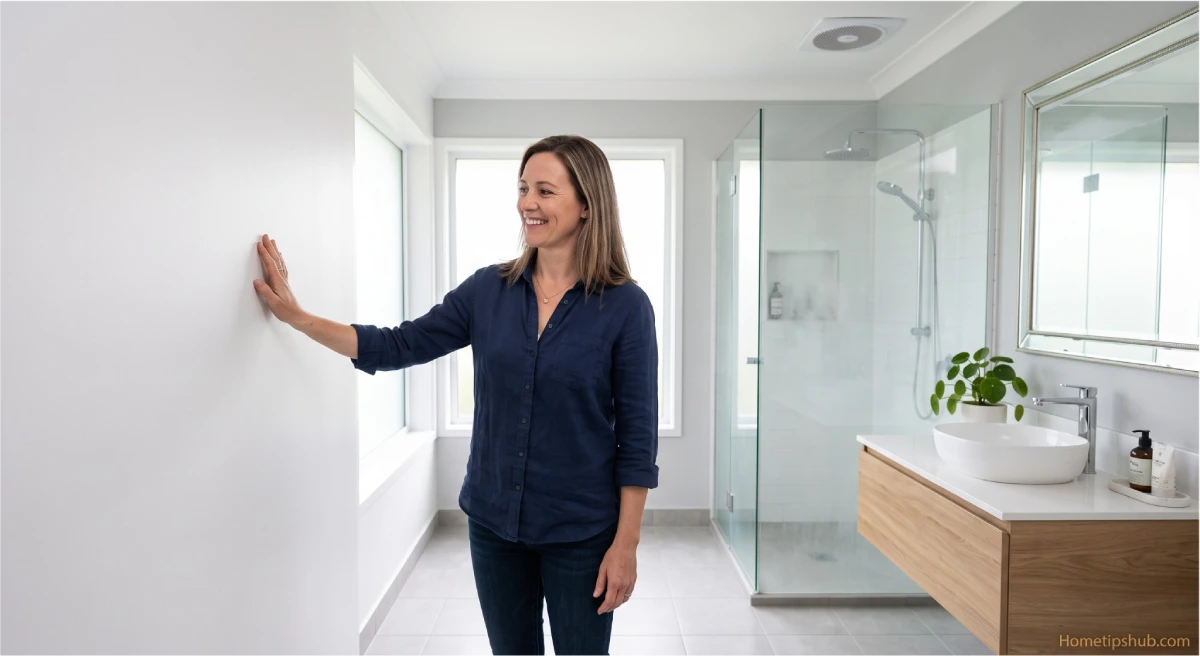
If you’ve ever peeled back a piece of wallpaper or moved a couch and found dark, fuzzy spots creeping across your wall, you already know how unsettling mold can be. It’s not just an eyesore — it can eat away at drywall, trigger allergies, and quietly lower the value of your home. The good news is that one of the simplest ways to fight back doesn’t involve gutting your walls or calling in a remediation crew. It starts with a can of paint.
Mold resistant paint has quietly become one of the most practical upgrades homeowners can make, especially in humid climates across the United States. But most people only think of it as “paint that stops mold.” In reality, it does far more than that. In this guide, we’ll walk through what mold resistant paint actually is, where it works best, how to choose the right one, and the twelve benefits that most articles never mention.
By the end, you’ll know exactly whether mold resistant wall paint is the right move for your bathroom, basement, kitchen, or ceiling — and how to get the most out of it.
What Is Mold Resistant Paint?
Mold resistant paint is a specially formulated coating that contains antimicrobial additives designed to stop mold and mildew spores from taking root on painted surfaces. Unlike standard latex or oil-based paint, this type of paint creates a surface environment that mold organisms struggle to colonize.
Most anti mold paint products use one or more of the following:
- Antimicrobial agents that disrupt mold cell growth
- Low-permeability formulas that reduce moisture absorption into the wall
- Mildewcides specifically designed to prevent mildew resistant paint performance in damp areas
- Higher sheen finishes (satin, semi-gloss) that resist moisture better than flat paint
It’s worth noting that mold proof paint isn’t a magic shield. No paint can completely stop mold if a wall stays wet for days on end. But when paired with reasonable moisture control, mold resistant paint dramatically reduces the chances of an outbreak.
Where Mold Resistant Paint Makes the Biggest Difference
Not every room needs it, but some absolutely do. Here’s a quick breakdown of where this paint earns its keep.
| Room/Area | Why Mold Resistant Paint Helps | Recommended Finish |
|---|---|---|
| Bathrooms | High humidity from showers and baths | Semi-gloss or satin |
| Kitchens | Steam from cooking, sink splashback | Satin or eggshell |
| Basements | Poor ventilation, groundwater seepage | Semi-gloss |
| Laundry rooms | Constant moisture from washers/dryers | Satin |
| Ceilings (especially above showers) | Trapped humid air rises and condenses | Flat or matte mold resistant ceiling paint |
| Attics | Temperature swings cause condensation | Semi-gloss |
Bathroom mold resistant paint is probably the single most searched-for use case, and for good reason — bathrooms combine heat, humidity, and poor airflow, which is basically a welcome mat for mold spores.
12 Hidden Benefits of Mold Resistant Paint You Never Knew

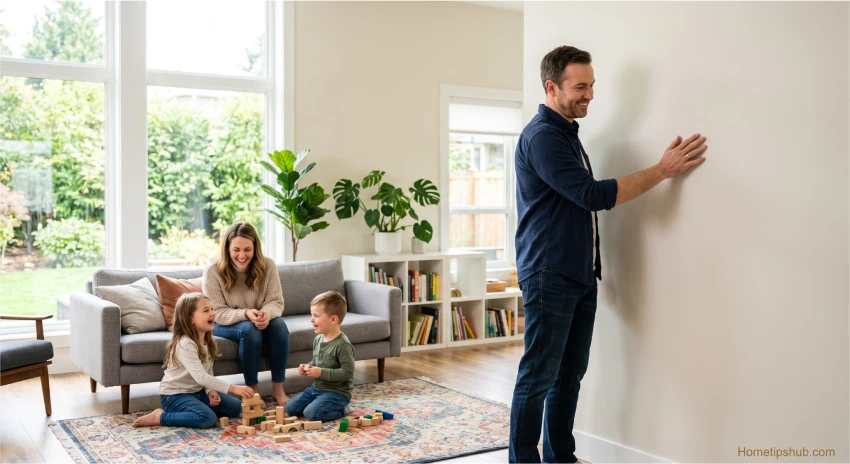
Most people assume the only benefit is “less mold.” That’s true, but it’s just the beginning. Here are twelve advantages that make this paint worth the investment.
1. It Protects Indoor Air Quality
Mold spores become airborne and can aggravate asthma, allergies, and respiratory issues. Interior mold resistant paint reduces the surface area where spores can grow and spread into the air you breathe.
2. It Extends the Life of Your Walls and Ceilings
Mold doesn’t just sit on the surface — over time it can break down drywall paper and paint layers. Paint that prevents mold helps preserve the structural integrity of walls, especially in bathrooms and basements.
3. It Reduces Long-Term Repair Costs
Mold remediation can cost anywhere from a few hundred to several thousand dollars depending on severity. A one-time investment in mold resistant wall paint is far cheaper than fixing water-damaged drywall later.
4. It Controls Musty Odors
That “damp basement smell” is often caused by mold and mildew off-gassing. Mildew resistant paint helps prevent the microbial growth responsible for those odors in the first place.
5. It Holds Up Better in High-Humidity Climates
Homes in places like Florida, Louisiana, and coastal regions face near-constant humidity. Mold proof paint is formulated to perform in these tougher conditions compared to standard wall paint.
6. It Makes Cleaning Easier
Because many mold resistant paints have a satin or semi-gloss finish, they’re easier to wipe down than flat paint, which helps you catch and remove moisture or grime before it becomes a mold problem.
7. It Protects Your Home’s Resale Value
Visible mold is a major red flag during home inspections and can spook potential buyers. Using mold resistant paint in bathrooms, basements, and kitchens signals proactive maintenance.
8. It Reduces Allergy Flare-Ups for Sensitive Household Members
Kids, pets, and family members with allergies or asthma benefit the most from reduced mold exposure. This is one of the most overlooked reasons homeowners switch to anti mold paint.
9. It Works Well as a Preventative Measure, Not Just a Cure
Many people only think to use this paint after a mold outbreak. But applying mold resistant ceiling paint and wall coatings proactively — before problems start — is far more effective than treating an active infestation.
10. It Pairs Well With Other Moisture-Control Strategies
Combined with exhaust fans, dehumidifiers, and proper ventilation, mold resistant paint becomes part of a layered defense system rather than a standalone fix.
11. It’s Available in a Wide Range of Finishes and Colors
Contrary to what many assume, the best mold resistant paint options today come in nearly every color and sheen, so you’re not stuck choosing between style and function.
12. It Offers Peace of Mind
Perhaps the most underrated benefit: knowing your bathroom, basement, or laundry room has an added layer of protection reduces the mental load of constantly checking for spots or musty smells.
How to Choose the Best Mold Resistant Paint
With so many products on shelves, picking the right one can feel overwhelming. Here’s what actually matters.
| Factor | What to Look For | Why It Matters |
|---|---|---|
| Mildewcide content | EPA-registered antimicrobial additives | Ensures actual mold resistance, not just marketing |
| Finish/sheen | Satin, semi-gloss, or eggshell | Higher sheen resists moisture better |
| VOC levels | Low-VOC or zero-VOC formulas | Better for indoor air quality, especially in bathrooms |
| Surface compatibility | Drywall, plaster, wood, masonry | Confirm it matches your wall type |
| Brand reputation | Established manufacturers with lab testing | Backs up performance claims |
| Application area | Interior vs. exterior formulas | Interior mold resistant paint is formulated differently than exterior versions |
A quick tip: always check the label for “mildew-resistant” or “mold-resistant” certification rather than assuming a bathroom paint automatically includes this feature. Some paints are marketed for moisture areas but don’t actually contain antimicrobial additives.
Step-by-Step: How to Apply Mold Resistant Paint Correctly
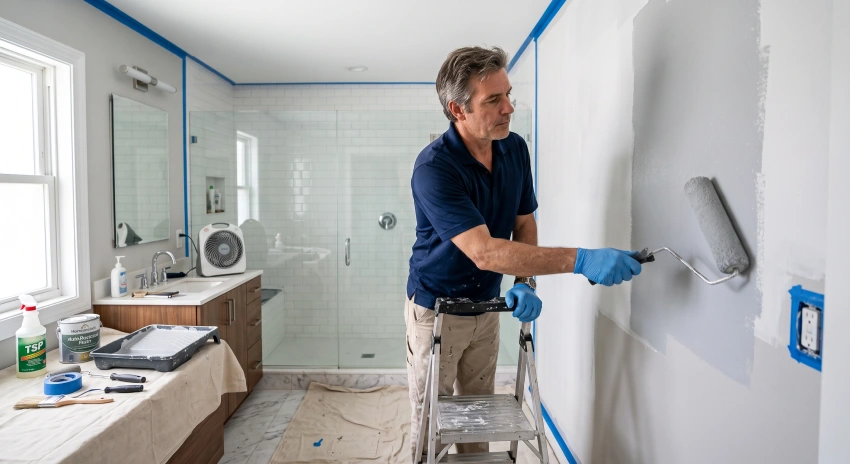
Even the best mold resistant paint won’t perform well if it’s applied over an existing mold problem or a poorly prepped surface. Follow these steps for best results.
| Step | Action | Notes |
|---|---|---|
| 1 | Clean the surface with a mold-killing solution | Use a mix of water and mild detergent, or a commercial mold cleaner |
| 2 | Let the surface dry completely | Rushing this step is the most common mistake |
| 3 | Sand and smooth any peeling areas | Removes old, compromised paint layers |
| 4 | Apply a mold-resistant primer | Primer boosts adhesion and adds another antimicrobial layer |
| 5 | Apply two coats of mold resistant paint | One coat rarely provides full protection |
| 6 | Ventilate the room while drying | Improves cure time and reduces trapped moisture |
| 7 | Maintain airflow after painting | Fans and dehumidifiers extend the paint’s effectiveness |
Skipping the cleaning and priming steps is the number one reason people feel disappointed with mold resistant paint — it’s not a failure of the product, it’s usually a prep issue.
Common Mistakes to Avoid
- Painting over active mold without cleaning it first, which just traps spores under a new layer of paint.
- Using only one coat, which weakens the antimicrobial barrier.
- Ignoring ventilation, since even the best paint can’t outperform a room with zero airflow.
- Assuming all bathroom paint is mold resistant paint — always check the label.
- Skipping primer, especially on surfaces with a history of moisture issues.
Frequently Asked Questions
Does mold resistant paint really work?
Yes, when applied correctly over a clean, dry surface. Mold resistant paint significantly reduces the ability of mold spores to colonize painted surfaces, though it works best alongside good ventilation and moisture control.
How long does mold resistant paint last?
Most quality mold resistant wall paint lasts 3 to 5 years before needing a touch-up, though high-moisture areas like showers may need attention sooner.
Can I use mold resistant paint over existing mold?
No. You should always clean and fully dry the affected area first. Painting over active mold traps spores rather than eliminating them.
Is mold resistant ceiling paint different from wall paint?
Yes, ceiling formulas are often designed with a flatter finish to hide imperfections while still containing the same antimicrobial protection as wall versions.
What’s the difference between mold resistant paint and regular paint with primer?
Regular paint offers no built-in defense against mold growth. Mold resistant paint and mildew resistant paint contain active antimicrobial ingredients specifically formulated to inhibit mold and mildew growth on the surface.
Final Thoughts: Is Mold Resistant Paint Worth It?
For bathrooms, basements, kitchens, and any room prone to humidity, mold resistant paint is one of the most cost-effective home improvements you can make. It won’t replace proper ventilation or fix an underlying leak, but as a preventative layer, it protects your air quality, your walls, and your wallet in the long run.
If you’re planning a renovation or simply repainting a moisture-prone room, this is the moment to upgrade to a proper anti mold paint rather than defaulting to standard wall paint. The extra cost upfront is minor compared to the cost of mold remediation down the road.
Ready to protect your home? Head to your local hardware or paint store, ask specifically for mold resistant paint with mildewcide additives, and make sure to prep your surfaces properly before your next coat. Your walls — and your lungs — will thank you.