
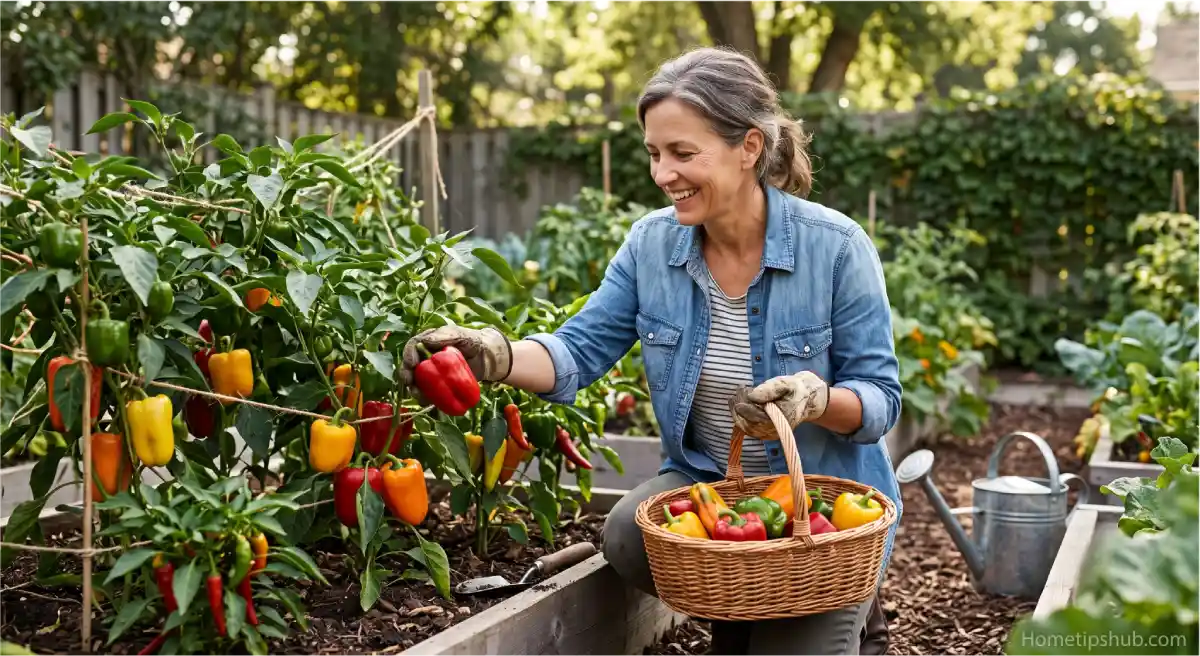
If you’ve ever watched a pepper plant droop, yellow, or stall out with zero fruit, you already know that pepper plant care isn’t quite as simple as “stick it in dirt and wait.” Peppers are a little more particular than tomatoes or zucchini, but once you understand what they actually want, they reward you with weeks of steady, colorful harvests.
Whether you’re growing sweet bell peppers on a sunny patio, nursing chili pepper seedlings on a windowsill, or managing a full outdoor garden bed, this guide walks through everything you need for confident pepper plant care — from sunlight and watering to pruning, pests, and troubleshooting. By the end, you’ll have a clear, actionable pepper plant growing guide you can return to all season long.
Why Proper Pepper Plant Care Matters
Peppers are native to warm, tropical climates, which means their care requirements are shaped by heat, humidity, and consistent moisture. Skimping on any one of these — sunlight, water, soil quality, or temperature — tends to show up fast as stunted growth, blossom drop, or bitter fruit. Good pepper plant care isn’t about doing more; it’s about doing the right things consistently.
Home gardeners across the United States, from humid Southern states to dry Southwestern climates, can successfully grow peppers as long as they adjust their approach to local conditions. That’s exactly what this article helps you do.
1. Understand Pepper Plant Sunlight Requirements
Pepper plant sunlight requirements are non-negotiable: peppers need 6 to 8 hours of direct sunlight per day to produce well. Without enough light, plants grow leggy, flower poorly, and produce fewer peppers.
- Outdoor growers: Choose the sunniest spot in your yard, ideally south-facing.
- Indoor growers: A bright south-facing window often isn’t enough in winter months. Supplement with a full-spectrum grow light for 12–14 hours a day.
- Hot climates: In regions like Arizona or Texas, some afternoon shade can actually prevent sunscald on fruit during extreme heat waves.
Matching light levels to your climate is one of the simplest ways to improve pepper plant care outcomes immediately.
2. Get Pepper Plant Watering Right
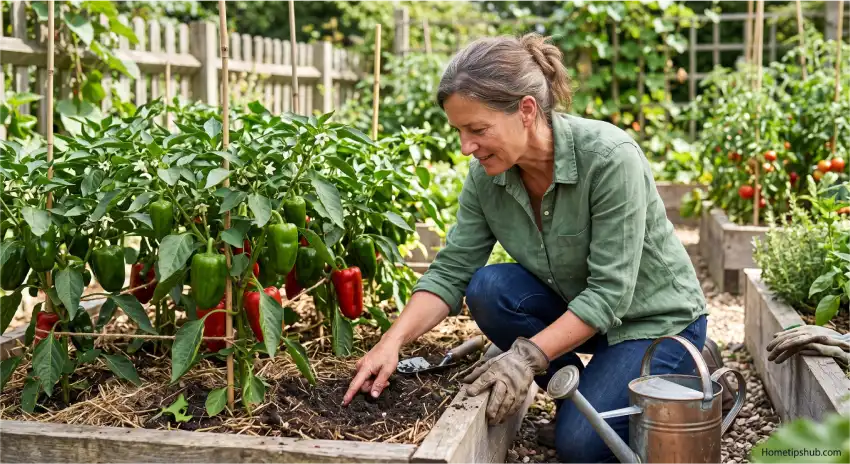
Pepper plant watering is where most beginners go wrong — usually by overwatering. Peppers prefer soil that’s consistently moist but never soggy.
Watering guidelines:
| Growth Stage | Watering Frequency | Signs of Trouble |
|---|---|---|
| Seedling stage | Light watering every 2–3 days | Wilting = underwatered; yellow leaves = overwatered |
| Vegetative growth | Deep watering 2–3 times per week | Curling leaves = heat stress or inconsistent water |
| Fruiting stage | Consistent deep watering, avoid drought stress | Blossom end rot = irregular watering |
| Hot summer weeks | Daily light watering in containers | Wilting midday is normal; check soil before adding water |
A good rule for pepper plant watering: stick your finger about two inches into the soil. If it’s dry, water deeply. If it’s still moist, wait. Consistency matters more than volume — irregular watering is a leading cause of blossom end rot and split fruit.
3. Choose the Right Soil and Feed with Pepper Plant Fertilizer
Peppers thrive in loose, well-draining soil rich in organic matter, with a pH between 6.0 and 6.8. Heavy clay soil should be amended with compost to improve drainage.
When it comes to pepper plant fertilizer, timing and balance matter more than quantity:
- At planting: Mix compost or a balanced slow-release fertilizer (like 10-10-10) into the soil.
- Vegetative stage: Use a nitrogen-slightly-higher formula to encourage healthy foliage.
- Flowering and fruiting stage: Switch to a fertilizer higher in phosphorus and potassium (such as 5-10-10) to boost flowering and fruit development.
- Avoid excess nitrogen once flowering begins — it produces lush green plants with little fruit.
Feeding every 3–4 weeks during the growing season is typically enough. Over-fertilizing is just as harmful as under-fertilizing, so always follow label rates.
4. Master Pepper Plant Temperature Needs
Pepper plant temperature control is critical, especially early in the season. Peppers are warm-season plants that stall out in cool conditions.
- Ideal daytime temperatures: 70–85°F (21–29°C)
- Ideal nighttime temperatures: 60–70°F (15–21°C)
- Below 55°F (13°C): Growth slows dramatically, and flowers may drop.
- Above 90°F (32°C): Pollen becomes less viable, causing blossom drop.
Don’t transplant seedlings outdoors until nighttime temperatures reliably stay above 55°F. In cooler regions, black plastic mulch or row covers can help maintain soil warmth early in the season.
5. Nail Down Proper Pepper Plant Spacing
Correct pepper plant spacing improves airflow, reduces disease risk, and gives roots room to expand.
| Pepper Type | Recommended Spacing | Container Size (if potted) |
|---|---|---|
| Bell peppers | 18–24 inches apart | 5-gallon minimum |
| Chili/hot peppers | 12–18 inches apart | 3–5 gallon |
| Sweet peppers | 18–24 inches apart | 5-gallon minimum |
| Compact ornamental peppers | 8–12 inches apart | 1–2 gallon |
Crowded plants compete for light, nutrients, and airflow, which increases the risk of fungal disease. If you’re short on space, container gardening with proper pepper plant spacing per pot works just as well as an in-ground bed.
6. Add Pepper Plant Support Early
Many gardeners overlook pepper plant support until branches are already snapping under the weight of fruit. Once pepper plants start setting fruit, especially larger bell peppers, stems can become top-heavy.
- Use a simple stake or small tomato cage at planting time.
- For larger varieties, a sturdy 3–4 foot stake driven in early avoids root disturbance later.
- Loosely tie stems with garden twine or plant clips, allowing room for growth.
Installing support structures at planting time — rather than after problems appear — is a small step that prevents a lot of frustration later in the season.
7. Apply Pepper Plant Mulch for Moisture and Weed Control
A 2–3 inch layer of pepper plant mulch (straw, shredded leaves, or bark) offers several benefits:
- Retains soil moisture, reducing watering frequency
- Suppresses weeds that compete for nutrients
- Regulates soil temperature during hot and cold swings
- Prevents soil-borne diseases from splashing onto lower leaves
Keep mulch about an inch away from the stem to prevent rot. This one habit significantly reduces the workload of ongoing pepper plant maintenance.
8. Prune Strategically for Better Yields
Pepper plant pruning isn’t always required, but it can improve airflow, redirect energy toward fruit production, and manage plant size.
Basic pruning tips:
- Remove the lowest leaves and branches that touch the soil to prevent disease.
- Some gardeners pinch off the first flush of flowers to encourage stronger root and stem development before fruiting begins.
- Trim any yellowing, damaged, or diseased leaves as soon as you spot them.
- Avoid heavy pruning once fruit has set, as pepper plants rely on foliage for photosynthesis and fruit protection from sunscald.
Light, purposeful pepper plant pruning throughout the season keeps plants productive without shocking them.
9. Caring for Pepper Seedlings the Right Way
Caring for pepper seedlings sets the tone for the entire growing season. Peppers are notoriously slow to germinate and can be sensitive in their early weeks.
- Germination temperature: Keep soil at 80–85°F using a heat mat for faster, more reliable sprouting.
- Light: Provide 14–16 hours of light daily once seedlings emerge to prevent legginess.
- Hardening off: Before transplanting outdoors, gradually expose seedlings to outdoor conditions over 7–10 days.
- Transplant timing: Move seedlings outside only after all danger of frost has passed and soil has warmed.
Rushing this stage is one of the most common mistakes in pepper plant care — patience here pays off with stronger, more resilient plants.
10. Pepper Plant Care Indoors vs. Outdoors
Pepper plant care indoors requires more hands-on management, while pepper plant care outdoors depends more heavily on climate and seasonal timing.
| Factor | Pepper Plant Care Indoors | Pepper Plant Care Outdoors |
|---|---|---|
| Light source | Grow lights, 12–14 hrs/day | Natural sun, 6–8 hrs/day |
| Pollination | May need hand-pollination | Wind and insects handle it |
| Temperature control | Easier to regulate | Dependent on weather |
| Pest pressure | Lower, but watch for aphids/spider mites | Higher; more pest diversity |
| Growing season | Can grow year-round | Limited to frost-free months |
Both approaches can produce excellent harvests. Indoor growers should rotate pots periodically for even light exposure and gently shake flowering plants to assist pollination.
11. Understand Care Differences by Pepper Type
Not all peppers are identical in their needs. Here’s how care shifts slightly across categories:
- Bell pepper plant care: Bell peppers are heavier feeders and benefit from consistent watering and support, since fruit can grow quite large and heavy.
- Chili pepper plant care: Chili varieties often tolerate slightly drier soil and hotter conditions, and mild water stress can actually intensify heat and flavor.
- Hot pepper plant care: Similar to chilis, hot peppers like habaneros and ghost peppers prefer full sun and slightly less frequent watering once established.
- Sweet pepper plant care: Sweet varieties need steady moisture and moderate feeding to avoid bitterness and encourage tender, thick-walled fruit.
Adjusting your approach based on variety is a simple upgrade to standard pepper plant care.
12. Identify and Prevent Pepper Plant Diseases
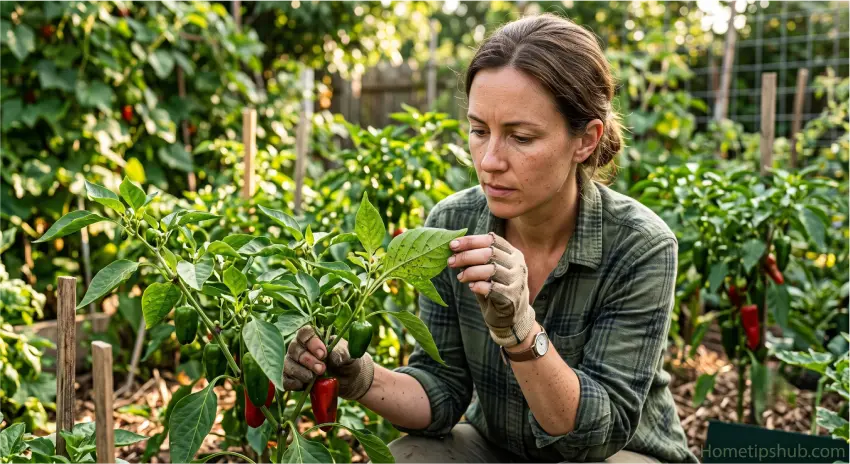
Pepper plant diseases are often preventable with good airflow, proper watering, and clean gardening practices.
Common pepper plant diseases:
- Blossom end rot: Caused by inconsistent watering and calcium uptake issues, not a disease itself but a physiological disorder.
- Powdery mildew: White, powdery patches on leaves, common in humid conditions with poor airflow.
- Bacterial leaf spot: Dark, water-soaked spots on leaves, often spread through overhead watering.
- Root rot: Caused by overwatering or poor drainage, leading to wilting despite moist soil.
Preventive habits — like watering at the soil level, spacing plants properly, and rotating crops each year — go a long way in avoiding pepper plant diseases altogether.
13. Manage Common Pepper Plant Pests
Pepper plant pests can undo weeks of careful care if left unchecked. Regular inspection is your best defense.
| Pest | Signs | Organic Treatment |
|---|---|---|
| Aphids | Curling leaves, sticky residue | Insecticidal soap, ladybugs |
| Spider mites | Fine webbing, stippled leaves | Neem oil, increased humidity |
| Flea beetles | Small holes in leaves | Row covers, diatomaceous earth |
| Hornworms | Large chewed leaves, dark droppings | Hand-picking, Bt spray |
| Whiteflies | Clouds of tiny flies when disturbed | Yellow sticky traps, neem oil |
Check the undersides of leaves weekly. Catching pepper plant pests early — before infestations spread — makes organic control methods far more effective.
14. Rotate Crops and Refresh Soil Yearly
Continuous pepper plant maintenance includes long-term soil health. Avoid planting peppers (or other nightshades like tomatoes and eggplants) in the same spot two years in a row. Crop rotation reduces the buildup of soil-borne diseases and pest populations that specifically target peppers.
15. Harvest at the Right Time
Peppers can be harvested at multiple stages depending on your preference:
- Green/unripe: Milder flavor, common for bell peppers used in cooking.
- Fully ripe (red, yellow, orange, or purple): Sweeter, more nutrient-dense, and often more flavorful.
- Hot peppers: Heat typically intensifies as the fruit fully ripens.
Use scissors or pruning shears rather than pulling by hand, which can damage brittle stems.
16. Extend the Season with Smart Techniques
In cooler climates, gardeners can extend pepper plant care into fall using row covers, cold frames, or moving container plants indoors before the first frost. Since peppers are perennials in their native tropical habitat, overwintering a favorite plant indoors is entirely possible with reduced watering and moderate light through winter.
17. Stay Consistent with a Seasonal Pepper Plant Care Checklist
| Season | Key Pepper Plant Care Tasks |
|---|---|
| Early Spring | Start seeds indoors, begin caring for pepper seedlings |
| Late Spring | Harden off and transplant after last frost |
| Summer | Monitor watering, fertilize, watch for pests and disease |
| Late Summer | Harvest regularly to encourage continued production |
| Fall | Extend season with covers or bring containers indoors |
Consistency is the real secret behind successful pepper plant care — small, regular actions beat occasional big efforts every time.
Frequently Asked Questions About Pepper Plant Care
How often should I water my pepper plants? Most pepper plants need deep watering 2–3 times per week, adjusted for heat, container size, and rainfall. The soil should stay consistently moist but never waterlogged.
Why are my pepper plant leaves turning yellow? Yellowing leaves usually point to overwatering, nitrogen deficiency, or root stress. Check soil drainage first, then consider a balanced fertilizer if drainage isn’t the issue.
How much sunlight do pepper plants really need? Pepper plant sunlight requirements sit at 6–8 hours of direct light daily. Less light leads to leggy growth and poor fruit set.
Do pepper plants need pruning? Light pruning improves airflow and redirects energy to fruit production, but heavy pruning isn’t necessary. Focus on removing damaged, yellowing, or soil-touching leaves.
Can I grow peppers indoors year-round? Yes. With a grow light providing 12–14 hours of daily light and temperatures between 65–85°F, pepper plant care indoors can support continuous growth and harvests.
Final Thoughts and Next Steps
Great pepper plant care comes down to a handful of consistent habits: enough sunlight, balanced watering, proper spacing, timely feeding, and a watchful eye for pests and disease. Whether you’re focused on bell pepper plant care, hot pepper plant care, or simply figuring out the basics of a pepper plant growing guide for your first garden, the fundamentals in this article apply across the board.
Start with one or two changes this week — maybe adjusting your watering schedule or adding mulch — and build from there. Your pepper plants (and your future harvests) will thank you.
Ready to grow your best pepper harvest yet? Bookmark this guide, apply these tips season after season, and share your results with fellow gardeners looking to level up their pepper plant care routine.