
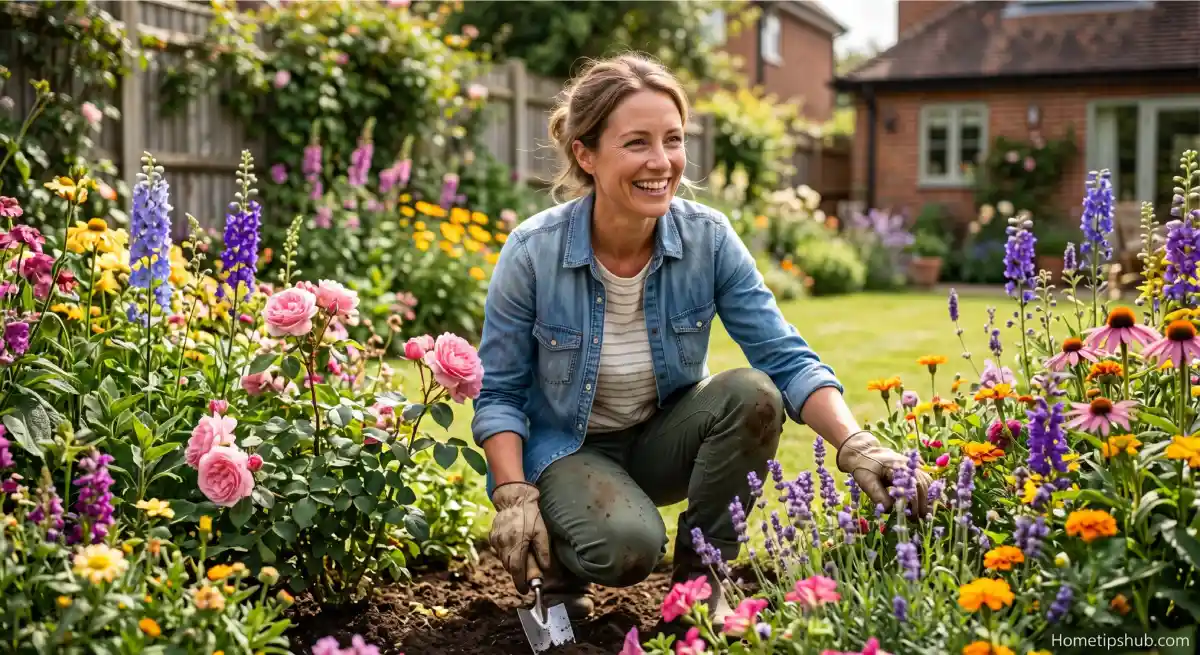
Do you dream of walking outside to a yard bursting with color? Learning how to create a flower garden is easier than most people think.
You don’t need a green thumb or a huge budget. You just need the right plan and a little patience.
This guide walks you through every step, from picking a spot to keeping your blooms healthy all season long. Whether you want a small flower bed by your porch or a full backyard flower garden, you’ll find practical tips here.
By the end, you’ll know exactly how to create a flower garden that fits your space, your climate, and your lifestyle. Let’s dig in.
What Is a Flower Garden and Why Should You Start One?
A flower garden is simply a planted area designed to grow flowering plants for beauty, fragrance, or even food for pollinators. It can be as small as a single pot or as large as an entire backyard bed.
Starting one is one of the best ways to boost your home’s curb appeal. A well-planned flower garden design also adds real value to your property.
Beyond looks, flower gardens support pollinator-friendly gardening by attracting bees, butterflies, and hummingbirds. That means a healthier ecosystem right in your own yard.
Gardening is also great for your mind. Studies consistently link time outdoors with plants to lower stress and better mood. So when you decide to learn how to create a flower garden, you’re doing more than decorating — you’re investing in your wellbeing.
Here’s why so many homeowners are turning to flower gardening for beginners:
- It boosts home value and curb appeal
- It supports local bees and butterflies
- It gives you a relaxing outdoor hobby
- It can be done on almost any budget
- It works for small yards, patios, or big properties
You don’t need to be an expert. With the right beginner flower garden tips, anyone can grow a beautiful bed of blooms within a single season. The key is starting with a solid plan, which we’ll cover next.
How to Create a Flower Garden: Choosing the Perfect Location
The first real step in how to create a flower garden is picking the right spot. Location affects everything from sunlight to drainage.
Most flowering plants need at least six hours of direct sun each day. Walk your yard at different times to see which areas get the most light.
Checking Sunlight and Drainage
Watch how water moves after it rains. Puddles that sit for hours mean poor drainage, which can rot roots quickly.
If your yard is mostly shady, don’t worry. There are plenty of shade flower garden plants, like hostas and impatiens, that thrive without full sun.
Considering Space and Visibility
Think about where you’ll actually see and enjoy your garden. A flower bed planning guide often suggests placing beds near windows, entryways, or patios.
Also consider foot traffic. Keep flower beds away from paths where kids or pets run, since trampled plants won’t survive long.
Finally, check your soil type before committing to a spot. Sandy soil drains fast but loses nutrients, while clay soil holds water but can suffocate roots. Knowing this now saves you headaches later when you start planting your flower garden.
How to Prepare Your Soil for a Thriving Flower Garden
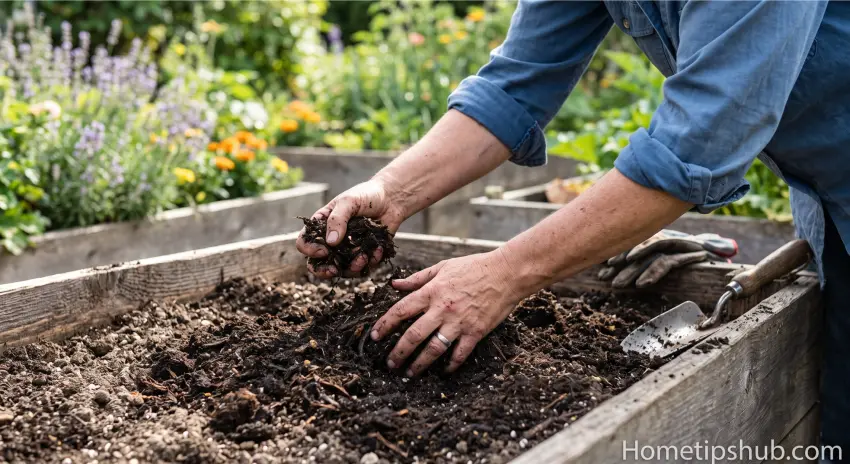
Healthy soil is the foundation of any successful flower garden. Skip this step, and even the best plants will struggle.
Testing Your Soil pH
Most flowers prefer slightly acidic to neutral soil, around 6.0 to 7.0 pH. Home test kits are cheap and easy to use.
If your soil is too acidic or alkaline, you can adjust it with lime or sulfur. This small step makes a big difference in soil preparation for a flower garden.
Adding Compost and Nutrients
Mix in two to three inches of compost before planting. This improves drainage, adds nutrients, and encourages strong root growth.
Avoid using fresh manure, which can burn young roots. Instead, choose aged compost or a balanced organic fertilizer.
Loosen the soil at least eight to ten inches deep. Compacted dirt blocks roots and prevents water from reaching them properly.
Good flower garden soil preparation also means removing weeds, rocks, and old roots. A clean bed gives your new flowers room to establish without competition.
Taking time here pays off all season. Once your soil is ready, you’re set up for a low maintenance flower garden that thrives with less fuss later on.
How to Choose the Right Flowers for Your Garden
Picking plants is often the most exciting part of learning how to create a flower garden. But the right choice depends on more than looks.
Annuals vs. Perennials
Annuals like marigolds and zinnias bloom for one season but offer nonstop color. Perennials like coneflowers and daylilies return year after year.
A mix of both gives you instant impact plus long-term value. This balance is common in any solid perennial flower garden ideas list.
Matching Flowers to Sunlight
Always match plants to your yard’s light levels. Sunny flower garden plants like roses and lavender need full sun to bloom well.
For shadier spots, stick to shade flower garden plants such as astilbe or bleeding heart. Planting the wrong flower in the wrong light almost always ends in disappointment.
Consider your climate zone too. Check your USDA hardiness zone before buying, since some flowers simply can’t survive local winters.
For true easy care flower garden results, beginners should start with tough, forgiving plants like black-eyed Susans, salvia, or daisies. These handle mistakes well while you learn the ropes.
How to Design Your Flower Garden Layout
A good layout turns random plants into a cohesive, beautiful flower garden design. Planning ahead saves you from a messy, overcrowded bed.
Planning for Height and Color
Place taller flowers, like foxglove or delphinium, toward the back or center of the bed. Shorter plants belong along the edges.
Group flowers in odd numbers, like three or five, for a more natural look. Repeating colors throughout the bed also ties everything together.
Think about bloom times too. Mixing early, mid, and late bloomers keeps your flower garden color schemes looking fresh from spring through fall.
Here’s a quick comparison table to help you plan your layout choices:
| Garden Style | Best For | Maintenance Level |
|---|---|---|
| Cottage Garden | Informal, colorful mix | Medium |
| Formal Bed | Symmetrical, clean lines | High |
| Raised Bed | Small spaces, poor soil | Low |
| Wildflower Patch | Pollinators, natural look | Low |
| Container Garden | Patios, renters | Medium |
Whichever style you choose, sketch it out on paper first. This simple step is one of the most useful beginner flower garden tips for avoiding costly redesigns later.
How to Plant Your Flower Garden Step by Step
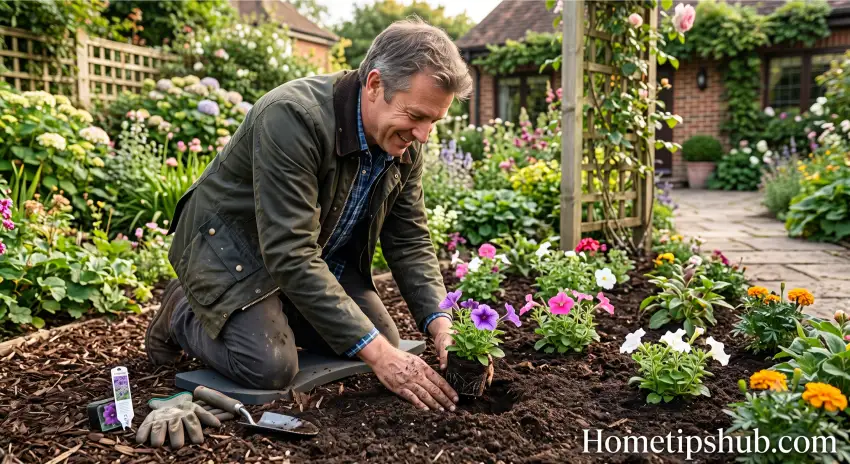
Now comes the fun part — actually planting your flower garden. Follow these steps for the best results.
- Water plants in their containers about an hour before planting
- Dig a hole twice as wide as the root ball, but the same depth
- Gently loosen roots if they’re tightly wound
- Place the plant and backfill with soil, patting gently
- Water deeply right after planting
Space plants according to their mature size, not how small they look now. Crowding leads to poor airflow and disease later on.
Add a two-inch layer of mulch after planting. Mulch locks in moisture, blocks weeds, and keeps roots cool during hot months.
Plant in the early morning or evening to reduce stress on new plants. Avoid planting during the heat of the day whenever possible.
If you’re working with a raised flower bed, fill it with a mix of topsoil, compost, and perlite for better drainage. This setup is ideal for anyone dealing with poor native soil.
How to Maintain Your Flower Garden Year-Round
Creating a flower garden is just the start — keeping it healthy takes ongoing care. The good news is that maintenance doesn’t have to be complicated.
Watering Tips
Most flowers need about one inch of water per week, including rainfall. Water deeply and less often to encourage strong roots.
Follow a consistent flower garden watering schedule, ideally in the early morning. This reduces evaporation and helps prevent fungal issues.
Weeding and Deadheading
Pull weeds while they’re small, before they steal nutrients from your flowers. A layer of mulch also cuts down on weeding time significantly.
Deadhead spent blooms regularly to encourage new flowers. This simple habit keeps your flower garden maintenance routine light while extending your bloom season.
Feed your plants with a balanced fertilizer every four to six weeks during peak growing season. This supports steady seasonal flower garden care and keeps colors vibrant.
Finally, check plants weekly for pests or disease. Catching problems early makes them far easier to treat before they spread.
Common Mistakes to Avoid When Creating a Flower Garden
Even experienced gardeners make mistakes. Knowing these pitfalls ahead of time helps you avoid them.
- Overcrowding plants — leads to poor airflow and disease
- Ignoring sunlight needs — causes weak growth or no blooms
- Skipping soil prep — results in stunted, unhealthy plants
- Overwatering — often more harmful than underwatering
- Choosing the wrong climate zone plants — leads to winter dieback
Another common error is planting everything at once without a plan. Take your time, and add plants in stages if needed.
Don’t forget about long-term upkeep either. A gorgeous backyard flower garden design still needs regular attention to stay beautiful.
Avoiding these mistakes puts you well ahead of most beginners learning how to create a flower garden for the first time.
Frequently Asked Questions
1. How long does it take to create a flower garden?
A basic flower bed can be planted in a single weekend. However, it typically takes one full growing season for plants to fill in and mature fully.
2. What is the easiest flower garden for beginners?
A low maintenance flower garden using marigolds, zinnias, and black-eyed Susans is ideal. These plants tolerate mistakes and thrive in most soil and light conditions.
3. How much sunlight does a flower garden need?
Most flowering plants need six or more hours of direct sunlight daily. If your yard is shadier, choose shade flower garden plants like hostas or astilbe instead.
4. Do I need to replace flowers every year?
Not necessarily. Perennials return each year on their own, while annuals need replanting. Mixing both gives you color now and long-term value later.
5. How often should I water a new flower garden?
New plants need watering every day or two for the first couple of weeks. After that, most established flower gardens do well with about one inch of water weekly.
Conclusion
Learning how to create a flower garden doesn’t have to feel overwhelming. With the right location, healthy soil, and a simple plan, anyone can grow a beautiful outdoor space.
Start small if you need to. Even one well-planned flower bed can transform your yard and boost your mood all season long.
Remember the basics: pick the right spot, prep your soil, choose suitable plants, and stick to a simple maintenance routine. These steps are the heart of any successful flower garden.
Now it’s your turn. Grab your gloves, pick a sunny corner, and start building the flower garden you’ve always wanted.