
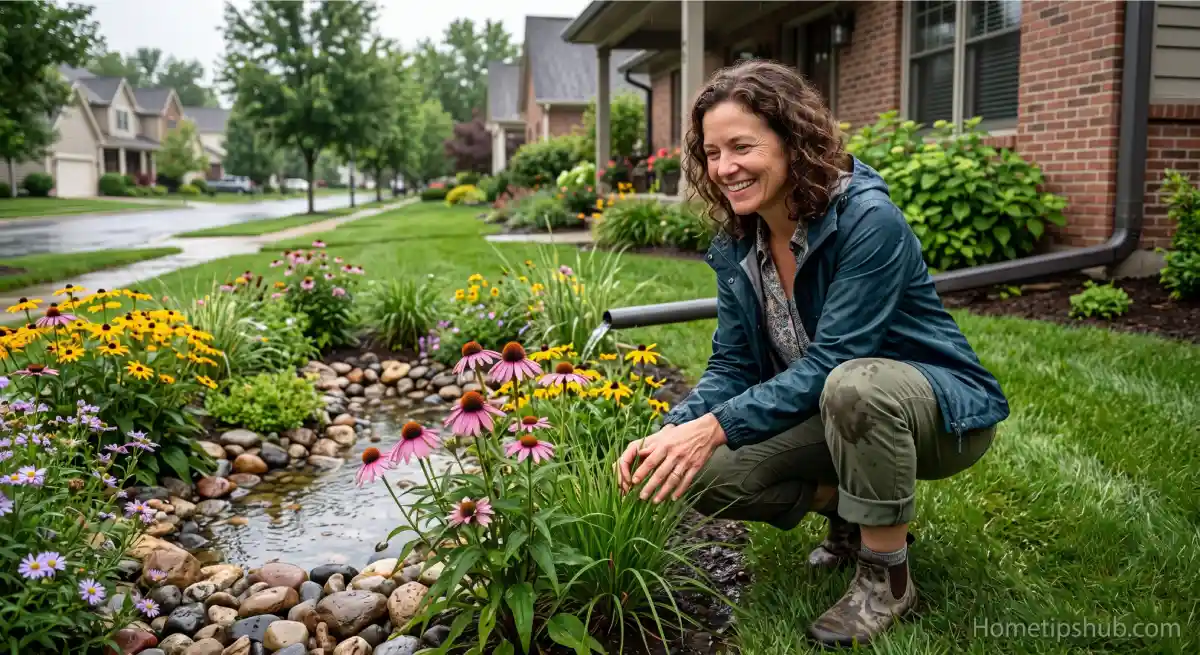
If you’ve ever watched rainwater pool in your yard after a storm, wash mulch onto the sidewalk, or turn your lawn into a soggy mess, you already understand the problem that rain gardens were built to solve. The good news is that fixing it can also mean creating one of the most beautiful features in your entire landscape. That’s the real appeal behind the current wave of rain garden designs showing up in yards across the country — they’re not just functional stormwater tools, they’re genuine design statements.
In this guide, we’ll walk through what makes a rain garden work, share practical rain garden ideas for yards of every size, and break down how to plan a DIY rain garden design that fits your budget and your climate. Whether you’re dreaming up a front yard rain garden that boosts curb appeal or a backyard rain garden that doubles as a wildlife habitat, you’ll find actionable ideas here you can start using this weekend.
What Is a Rain Garden, and Why Does It Matter?
A rain garden is a shallow, planted depression designed to capture and absorb stormwater runoff from roofs, driveways, and lawns. Instead of letting that water rush into storm drains — carrying fertilizer, oil, and sediment with it — a well-planned rain garden slows the water down and lets it soak naturally into the soil.
This isn’t a niche gardening trend. According to the U.S. Environmental Protection Agency, rain gardens can capture roughly 30% more water than a standard patch of lawn, largely because of their deep-rooted native plantings and engineered soil. That’s a meaningful difference for homeowners dealing with drainage issues, and it’s a big reason rain garden landscaping has become a go-to solution for both individual homeowners and municipal green infrastructure programs.
Beyond function, rain gardens matter because they quietly reduce erosion, filter pollutants before they reach local waterways, and create habitat for pollinators. They’re one of the rare landscaping features that look great and do real environmental work at the same time — which is exactly why eco-friendly garden design has embraced them so enthusiastically.
Popular Rain Garden Designs to Inspire Your Project
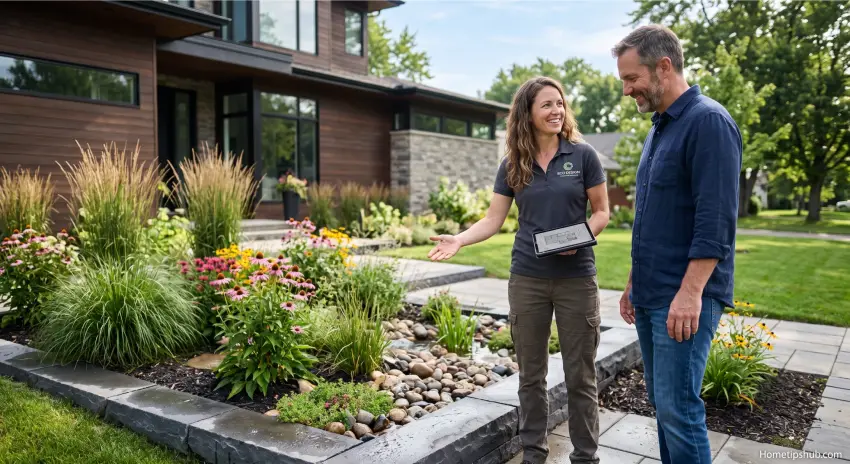
Not all rain gardens look the same, and that’s part of the fun. Here are some of the most popular styles homeowners are choosing right now.
Modern Rain Garden Designs
Modern rain garden designs lean into clean lines, defined edges, and a restrained plant palette. Think geometric basins outlined in steel or stone, paired with ornamental grasses and a handful of bold, architectural perennials. Instead of a wild, cottage-style mix, these layouts use repetition and negative space to create a polished look — perfect for contemporary homes or minimalist front entries.
A simple way to achieve this style is to choose three or four plant varieties and repeat them in clusters rather than scattering many species randomly. Add a gravel or river-stone border, and you instantly get a rain garden design that feels intentional rather than accidental.
Native Plant Rain Garden Layouts
A native plant rain garden is often considered the gold standard, and for good reason. Native species are already adapted to your region’s rainfall patterns, soil type, and temperature swings, which means less watering, less fertilizing, and far less maintenance once they’re established.
In the Midwest, that might mean black-eyed Susan, swamp milkweed, and blue flag iris. In the Pacific Northwest, sword fern, red-flowering currant, and Douglas aster tend to thrive. Southeastern gardeners often turn to Joe Pye weed, cardinal flower, and inkberry holly. Because these plants evolved alongside local pollinators, a native plant rain garden also tends to attract more butterflies, bees, and songbirds than an all-ornamental design.
Small Rain Garden Ideas for Tight Spaces
You don’t need a sprawling backyard to benefit from this approach. Small rain garden ideas are especially popular among townhouse and condo owners who still want to manage runoff responsibly. A rain garden as small as 50 to 100 square feet, tucked along a downspout or side yard, can handle a surprising amount of water.
For tight spaces, focus on vertical layering: low sedges at the base, mid-height perennials in the middle, and one or two taller accent plants at the back. Using a curved shape rather than a rectangle also helps a small rain garden feel more expansive and natural.
Front Yard Rain Garden Statements
A front yard rain garden does double duty — managing water from your roof and driveway while dramatically upgrading curb appeal. Because it’s the first thing visitors and neighbors see, homeowners often choose showier blooms here: coneflower, bee balm, and switchgrass are popular choices that stay tidy near the front of a property while still functioning as a genuine rain garden.
Placing a front yard rain garden between the downspout and the street (with proper grading) intercepts runoff before it ever reaches the storm drain, which is one of the most effective placements you can choose.
Backyard Rain Garden Retreats
A backyard rain garden has more room to get creative. Because it’s a more private space, homeowners can experiment with taller grasses, a small footbridge, or even a seating nook overlooking the planting. Many backyard rain garden projects are built near a patio or deck runoff point, turning what used to be a muddy problem area into the most photographed corner of the yard.
How to Plan a DIY Rain Garden Design
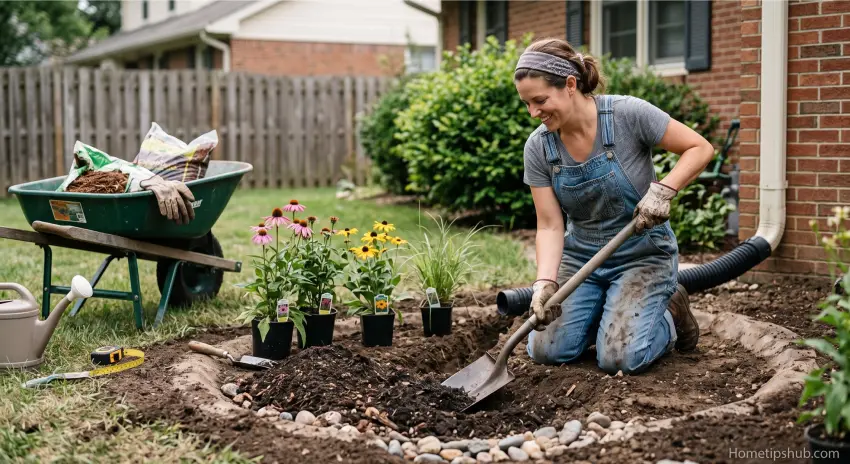
If you’re ready to try a DIY rain garden design, a little upfront planning saves a lot of frustration later. Here’s the basic process:
- Locate the right spot. Choose an area at least 10 feet from your home’s foundation, downhill from a downspout or runoff source, and away from septic systems or utility lines.
- Test your soil. Dig a hole about a foot deep, fill it with water, and time how long it takes to drain. If it takes longer than 24 hours, you may need to amend the soil with sand and compost to improve drainage.
- Size it correctly. A common rule of thumb is to make the rain garden about 20-30% of the size of the roof or paved surface draining into it.
- Shape the basin. Dig a shallow depression, typically 4 to 8 inches deep, with a flat bottom and gently sloped sides.
- Choose your plants. Group moisture-loving plants in the center where water pools longest, and drought-tolerant species around the drier edges.
- Mulch and maintain. A layer of shredded hardwood mulch helps retain moisture and suppress weeds while plants establish.
This kind of DIY rain garden design doesn’t require heavy equipment for most residential-sized projects — a shovel, some elbow grease, and a weekend or two is often enough.
Residential Rain Garden Ideas by Yard Style
Every property has different constraints, so residential rain garden ideas should be matched to your specific layout.
- Corner-lot homes often do well with a crescent-shaped rain garden that follows the natural slope along two sides of the yard.
- Sloped yards benefit from a series of small, terraced rain gardens rather than one large basin, which prevents erosion between levels.
- Flat yards may need slight grading work to direct water toward the basin, since gravity alone won’t do the job.
- HOA communities frequently require a tidy, “cultivated” look, so structured edges and a native plant rain garden with recognizable, non-weedy species tend to get approved more easily.
Talking to a local extension office or landscape professional before digging is a smart step, especially if your area has specific stormwater regulations or rebate programs — many U.S. municipalities actually offer incentives for installing residential rain garden systems.
Best Plants for Long-Lasting Rain Garden Landscaping
Successful rain garden landscaping comes down to choosing the right plant for the right zone within the basin.
Bottom zone (wettest): Blue flag iris, swamp milkweed, soft rush, and cardinal flower tolerate standing water for short periods and thrive in consistently moist soil.
Middle zone (moist but not soggy): Black-eyed Susan, bee balm, aster, and switchgrass handle fluctuating moisture well and provide season-long color.
Edge zone (driest): Little bluestem, coneflower, and yarrow tolerate drier conditions once the water has soaked in, anchoring the outer ring of the garden.
Layering plants this way isn’t just about aesthetics — it’s what makes a rain garden design resilient through both heavy storms and dry spells.
Common Mistakes to Avoid
Even a well-intentioned rain garden project can run into trouble. Watch out for these frequent missteps:
- Placing it too close to the foundation. This can direct water toward your home instead of away from it.
- Skipping the soil test. Poor drainage means standing water for days, which invites mosquitoes rather than solving your runoff problem.
- Overcrowding with non-native plants. These often require more water and fertilizer, undercutting the eco-friendly garden design goals you started with.
- Making it too small for the water volume. An undersized basin will simply overflow during heavy rain.
Frequently Asked Questions
What is the best size for a rain garden?
Most residential rain gardens range from 100 to 300 square feet, though small rain garden ideas can work well in spaces as compact as 50 square feet, depending on how much runoff needs to be absorbed.
Do rain gardens attract mosquitoes?
No, not when designed correctly. A properly built rain garden drains within 24 to 48 hours, which is faster than the mosquito breeding cycle.
How much does a DIY rain garden design cost?
A basic DIY project using native plants can cost as little as $3 to $5 per square foot, while professionally installed rain garden designs typically run $10 to $20 per square foot depending on materials and plant selection.
Can I install a rain garden myself?
Yes. Many homeowners successfully complete a DIY rain garden design in a weekend using basic tools, especially for smaller basins under 150 square feet.
What plants work best for a native plant rain garden?
This depends on your region, but native sedges, milkweed, coneflower, and switchgrass are widely available and perform well across most of the U.S.
Final Thoughts and Next Steps
Rain garden designs offer something increasingly rare in landscaping: a project that solves a real, practical problem while making your property genuinely more beautiful. Whether you’re drawn to sleek modern rain garden designs, a wildlife-friendly native plant rain garden, or simple small rain garden ideas for a side yard, there’s a version of this project that fits your space, your climate, and your budget.
Start small if you need to. Even a modest front yard rain garden or backyard rain garden corner can noticeably reduce runoff while adding color and texture to your landscape. And if you’re ready to take the next step, reach out to a local landscape designer or your regional extension office to get soil-specific guidance before you break ground.
Ready to turn your soggy yard problem into your favorite feature? Pick a spot this weekend, grab a shovel, and start planning your own rain garden today.