
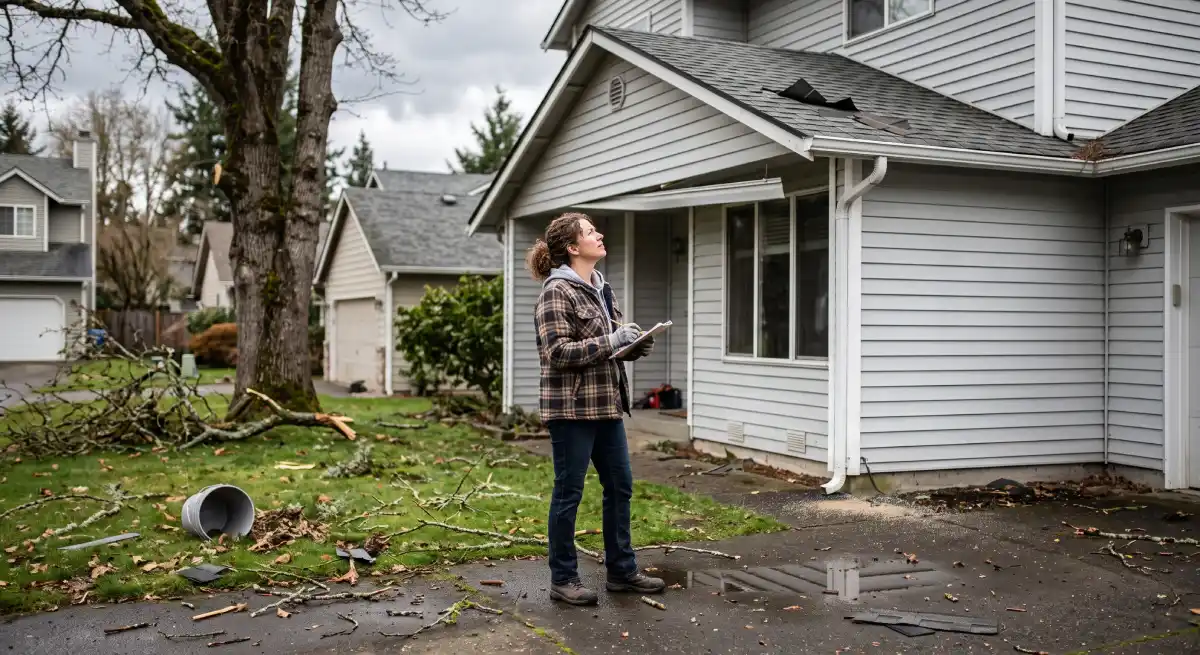
A storm rolls through, the wind howls for a few hours, and then it’s gone. The sun comes back out, your yard is a little messy, and life goes on — until three weeks later when you notice a water stain spreading across your ceiling. By then, what could have been a simple roof wind damage repair has turned into a much bigger, much more expensive problem.
This is exactly why understanding wind damage repair isn’t just for homeowners who’ve already had a disaster. It’s for anyone who lives in an area where storms, gusts, or tornado-adjacent weather are part of the yearly forecast — which, in most of the United States, is basically everyone.
In this guide, you’ll learn the five warning signs that most homeowners miss, what a proper wind damage restoration process actually looks like, how much wind damage repair cost typically runs, and how to choose storm damage repair contractors you can actually trust. Whether you’re dealing with a few missing shingles or full-blown structural wind damage repair, this article will walk you through what to do next.
Why Wind Damage Repair Matters More Than You Think
Wind doesn’t need to reach hurricane speeds to cause real damage. Sustained winds of 50-60 mph — which happen during ordinary severe thunderstorms — can lift shingles, crack siding, and send debris crashing into windows. Once that initial damage occurs, water intrusion, mold growth, and structural weakening can follow quickly if wind damage repair isn’t addressed right away.
That’s the core problem: wind damage is often invisible from the ground. Unlike a fallen tree or a shattered window, roof wind damage repair issues frequently hide in plain sight until they’ve caused secondary damage. This is why insurance companies and restoration professionals alike stress the importance of inspecting your property after every significant storm — not just the ones that make the local news.
5 Shocking Signs You Need Wind Damage Repair
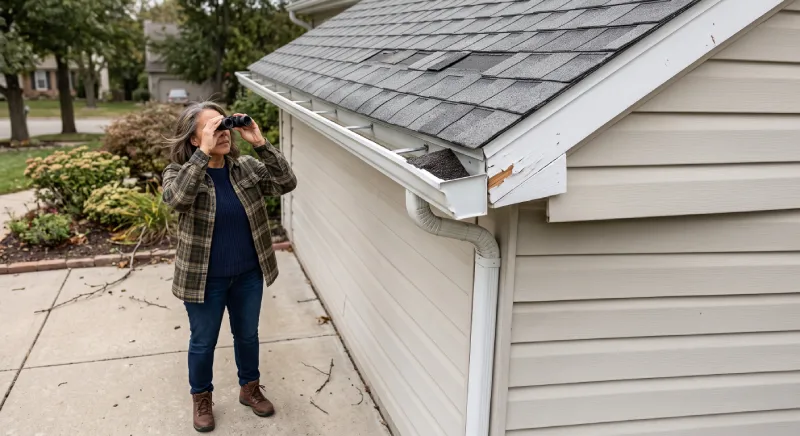
Most homeowners assume they’ll “just know” if their home has wind damage. In reality, the signs are often subtle. Here are the five most commonly missed indicators that you need wind damage repair services right away.
1. Granules Collecting in Gutters or Downspouts
Asphalt shingles are coated with protective granules that shield them from UV rays and moisture. When high winds flex or lift shingles, those granules shake loose. If you notice a gritty, sand-like buildup in your gutters, that’s a strong sign of roof wind damage that needs professional attention.
2. Shingles That Look “Off” — Curled, Cracked, or Missing
Walk around your property after a storm and look up. Shingles that are curling at the edges, cracked down the middle, or simply missing altogether are the most obvious form of wind damage roof issues. Even a handful of missing shingles can expose the underlayment to water.
3. Soft Spots or Sagging on the Roofline
If you can safely view your roof from a ladder or with binoculars, look for any dips, soft spots, or uneven sections. This can indicate structural wind damage repair is needed underneath the surface, not just cosmetic patchwork.
4. Interior Water Stains or Musty Odors
One of the clearest signs of hidden wind damage is a brown or yellow stain on your ceiling or upper walls, sometimes accompanied by a musty smell. This usually means water has already been entering through a wind-damaged section of your roof for some time.
5. Damaged Siding, Fascia, or Window Seals
Wind doesn’t just attack roofs. Look for cracked or loose siding panels, bent fascia boards, and gaps around window and door frames. These are common forms of exterior wind damage repair that get overlooked because attention naturally goes to the roof first.
| Warning Sign | What It Means | Urgency Level |
|---|---|---|
| Granules in gutters | Shingle surface is wearing away or damaged | Moderate — inspect within 1-2 weeks |
| Curled/missing shingles | Direct exposure to water intrusion | High — schedule repair immediately |
| Sagging roofline | Possible structural wind damage | Critical — call a contractor same week |
| Interior water stains | Active or past water intrusion | Critical — address immediately |
| Damaged siding/fascia | Compromised exterior envelope | Moderate to high |
Understanding the Wind Damage Restoration Process
When you hire a qualified wind damage contractor, the process typically follows a consistent sequence. Understanding these steps helps you know what to expect and makes it easier to evaluate whether a contractor is doing thorough work.
Step 1: Inspection and Documentation
A reputable storm damage contractor will start with a full property inspection, including roof, siding, gutters, windows, and any outbuildings. They should photograph and document all visible and suspected damage — this documentation is critical if you’re planning to file an insurance claim.
Step 2: Temporary Protection (Tarping and Board-Up)
If your home has active leaks or exposed openings, emergency wind damage repair often starts with tarping the roof or boarding up broken windows. This prevents further water damage while the full wind damage restoration plan is developed.
Step 3: Detailed Damage Assessment and Estimate
Next, the wind damage specialists prepare a written estimate outlining the scope of work, materials needed, and projected timeline. This is also when they’ll identify whether the damage is limited to the surface or extends into structural components.
Step 4: Insurance Coordination (If Applicable)
Many storm damage repair contractors work directly with insurance adjusters to streamline the claims process. This coordination can significantly reduce the back-and-forth that often delays residential wind damage repair projects.
Step 5: Repair or Full Restoration
Depending on severity, the wind damage repair company will either patch and repair damaged sections or, in cases of severe wind damage repair, replace entire sections of roofing, siding, or structural framing.
Step 6: Final Inspection and Cleanup
Once work is complete, a final walkthrough confirms the repair meets code and manufacturer standards. Debris and wind damage cleanup should be part of the service — not an extra charge tacked on later.
| Restoration Step | Typical Timeframe | Who’s Involved |
|---|---|---|
| Inspection & documentation | Same day to 48 hours | Contractor, homeowner |
| Emergency tarping/board-up | Within 24 hours | Contractor crew |
| Estimate preparation | 1-3 days | Contractor, insurance adjuster |
| Insurance approval | 3-14 days | Adjuster, contractor |
| Repair/restoration work | 1 day to several weeks | Contractor crew |
| Final inspection | Same day as completion | Contractor, homeowner |
How Much Does Wind Damage Repair Cost?
One of the most common questions homeowners ask is simple: what will this actually cost? The honest answer is that wind damage repair cost varies widely depending on the extent of damage, materials involved, and your region. That said, here are general industry ranges to help you budget and evaluate quotes.
| Type of Repair | Estimated Cost Range | Notes |
|---|---|---|
| Minor shingle replacement | $150 – $600 | A few damaged shingles or small sections |
| Full roof wind damage repair | $1,000 – $8,000+ | Depends on roof size and material |
| Siding repair/replacement | $500 – $5,000 | Varies by material (vinyl, wood, fiber cement) |
| Window/door repair | $200 – $1,500 per unit | Includes frame and seal damage |
| Structural wind damage repair | $5,000 – $30,000+ | Framing, trusses, or load-bearing damage |
| Emergency tarping service | $150 – $500 | Temporary fix, often billed separately |
Keep in mind that these figures are general estimates, not quotes. Always get at least two or three written estimates from licensed wind damage repair services before committing, and ask each contractor to break down labor, materials, and permit costs separately.
Residential Wind Damage Repair vs. Commercial Wind Damage Repair
While the fundamentals of wind damage restoration are similar across property types, residential wind damage repair and commercial projects differ in scale and complexity.
House wind damage repair typically involves single roofing systems, standard siding materials, and more straightforward permitting. Commercial properties, on the other hand, often involve flat or low-slope roofing systems, HVAC units exposed on rooftops, and more complex code requirements. If you own a mixed-use or multi-family property, make sure the wind damage repair company you hire has direct experience with your specific property type.
Choosing the Right Storm Damage Repair Contractor
Not all contractors are created equal, and after a major storm, opportunistic operators — sometimes called “storm chasers” — often show up in affected neighborhoods offering fast, cheap fixes. Here’s how to separate legitimate wind damage specialists from the rest.
What to Look For
- Local licensing and insurance: A trustworthy wind damage contractor should be licensed in your state and carry liability and workers’ compensation insurance.
- Physical business address: Avoid contractors who only have a P.O. box or an out-of-state phone number with no local presence.
- Verifiable reviews and references: Ask for at least three recent local references, not just online star ratings.
- Detailed written estimates: A vague, one-line quote is a red flag. Legitimate storm damage repair contractors itemize labor, materials, and timeline.
- Manufacturer certifications: For roofing work specifically, certifications from shingle manufacturers indicate a higher standard of training.
Red Flags to Avoid
- Door-to-door solicitation immediately after a storm
- Requests for full payment upfront before any work begins
- Pressure to sign a contract on the spot
- No proof of insurance when asked directly
- Estimates that seem significantly lower than every other quote you’ve received
| Legitimate Contractor Signs | Red Flags to Avoid |
|---|---|
| Local address and phone number | Only reachable by cell phone, no local office |
| Provides proof of license/insurance | Refuses or delays providing documentation |
| Detailed, itemized written estimate | Vague verbal quote only |
| References from local, recent jobs | No verifiable references |
| Normal payment schedule (deposit + milestones) | Demands full payment upfront |
Emergency Wind Damage Repair: What to Do Right After a Storm
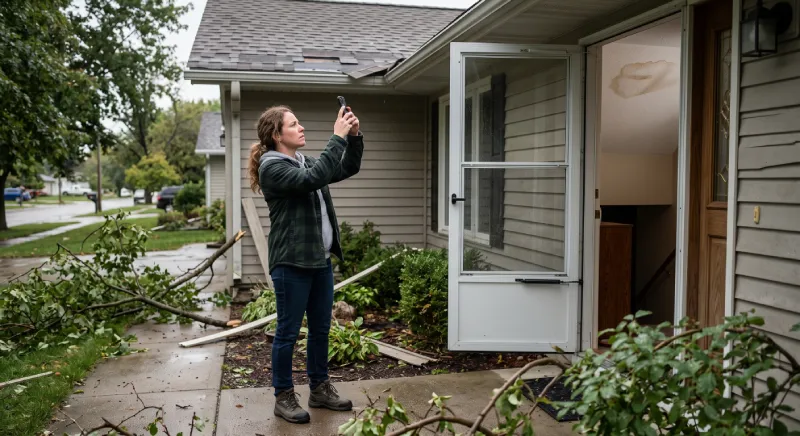
If your property has been hit and you’re dealing with active leaks, exposed structure, or safety hazards, speed matters. Here’s a simple action plan for emergency wind damage repair.
- Ensure safety first. Stay away from downed power lines, unstable structures, or debris until it’s safe to inspect.
- Document everything. Take photos and videos of all visible property wind damage before any cleanup begins — this protects your insurance claim.
- Prevent further damage. Use tarps or boards to cover openings if it’s safe to do so, or call a professional for emergency tarping.
- Contact your insurance company. Report the damage promptly and ask what documentation they require.
- Call a licensed storm damage contractor. Get an inspection scheduled as soon as possible, ideally within 24-48 hours.
- Avoid unnecessary demolition. Don’t remove damaged materials before your insurance adjuster has had a chance to inspect them, unless it’s a genuine safety issue.
Preventing Future Wind-Related Property Damage
While you can’t control the weather, there are steps that reduce your risk of severe wind damage repair down the road.
- Schedule annual roof inspections, especially before storm season
- Trim trees and remove dead branches near your home
- Secure or store outdoor furniture and loose items before storms
- Reinforce garage doors, which are common failure points in high winds
- Replace aging roofing materials before they become a liability
- Install impact-resistant shingles or siding if you’re in a high-wind region
Taking these preventative steps doesn’t guarantee you’ll never need wind damage repair, but it significantly reduces the odds of catastrophic, expensive damage.
Frequently Asked Questions
How do I know if my roof has wind damage?
Look for missing or curled shingles, granule buildup in gutters, sagging areas, and interior water stains. If you notice any of these signs after a storm, schedule a professional inspection promptly.
Does homeowners insurance cover wind damage repair?
Most standard homeowners insurance policies cover wind damage, though coverage details, deductibles, and exclusions vary by policy and region. Always review your specific policy and document damage thoroughly.
How long does wind damage restoration take?
Minor repairs can be completed within a day or two, while more severe wind damage repair involving structural work can take several weeks, depending on material availability and contractor scheduling.
Can I do wind damage repair myself? Minor cosmetic fixes may be manageable for experienced DIYers, but roof and structural wind damage repair should always be handled by licensed professionals to ensure safety and code compliance.
What’s the average wind damage repair cost for a typical home?
Costs range widely — from a few hundred dollars for minor shingle repair to several thousand dollars for full roof or structural wind damage repair. Getting multiple estimates is the best way to understand your specific cost.
Final Thoughts: Don’t Wait Until It’s Worse
Wind damage rarely announces itself with a bang. More often, it starts quietly — a few missing shingles, a small gap in the siding, a faint water stain that seems minor at first. But left unaddressed, these small issues can escalate into major structural problems and much higher repair bills.
If your property has been through a recent storm, don’t wait for the damage to become obvious. Schedule a professional inspection, document what you find, and work with a licensed, reputable wind damage repair company that can guide you through the entire restoration process — from the first assessment to the final walkthrough.
Ready to get your home back in shape? Contact a trusted local wind damage repair specialist today for a free inspection and estimate before small damage turns into a costly repair.