
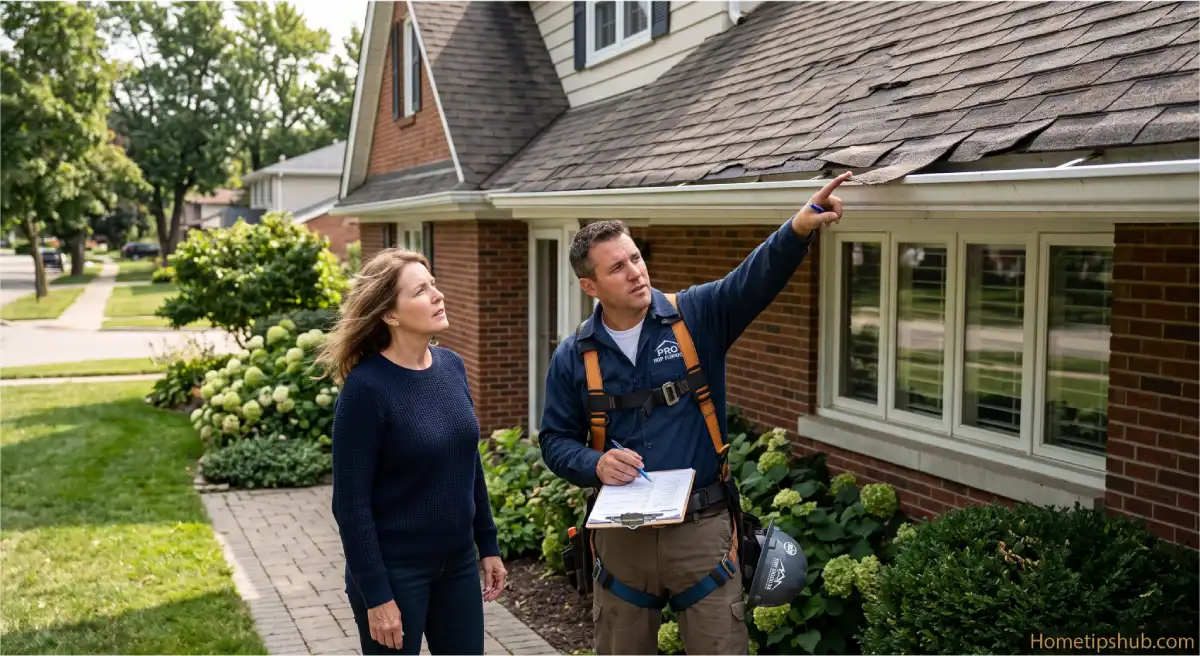
If you’ve noticed curling edges, missing pieces, or granules piling up in your gutters, you’re probably wondering whether it’s time for roof shingle replacement. It’s one of those home projects nobody looks forward to, but putting it off can turn a manageable repair into a much bigger — and more expensive — problem.
This guide walks you through everything you need to know about roof shingle replacement: how to spot the warning signs, what the process actually involves, how much it costs, and how to choose the right contractor. Whether you’re dealing with storm damage, an aging roof, or just want to understand your options before calling a professional, you’ll find practical, no-nonsense answers here.
By the end of this article, you’ll know exactly when roof shingle replacement makes sense, what to expect from the process, and how to make a confident, informed decision for your home.
What Is Roof Shingle Replacement?
Roof shingle replacement is the process of removing old, worn, or damaged shingles from your roof and installing new ones. Unlike a simple patch job, a full roof shingle replacement typically involves stripping the roof down to the decking, inspecting for underlying damage, installing new underlayment, and laying down a fresh layer of shingles.
This differs from roof shingle repair, which addresses isolated problem areas — like a few cracked or blown-off shingles — without touching the rest of the roof. Understanding the difference between roof shingle repair vs replacement is the first step in figuring out what your home actually needs.
Most residential roof shingle replacement projects use asphalt shingles because they’re affordable, durable, and available in a wide range of styles. However, homeowners also choose architectural, wood, or composite shingles depending on budget and aesthetic preferences.
Signs You Need Roof Shingle Replacement
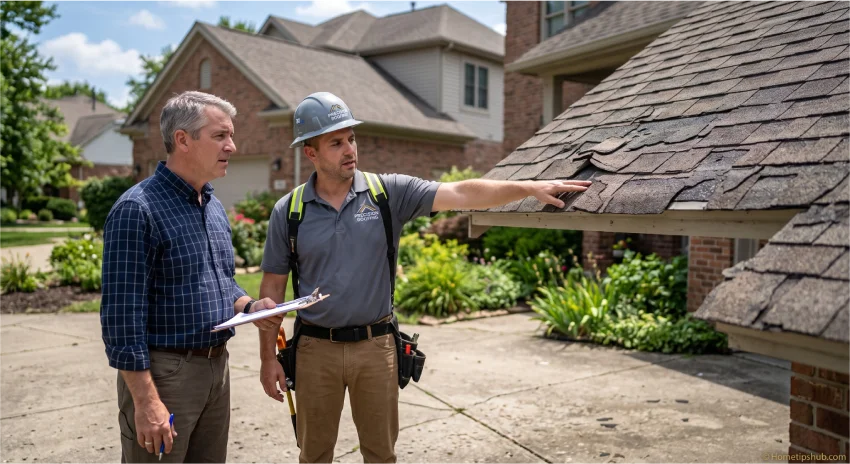
Not every roofing problem requires a full replacement. But there are clear warning signs that tell you it’s time to stop patching and start planning for new roof shingles.
Age of the Roof
Most asphalt shingle roofs last between 20 and 25 years, depending on climate, ventilation, and installation quality. If your roof is approaching this age range, roof shingle replacement should be on your radar even if it looks fine from the ground.
Curling, Cracking, or Buckling Shingles
Shingles that curl at the edges or crack across the surface have lost their protective seal. This is one of the most common triggers for house roof shingle replacement, especially in homes exposed to intense sun or temperature swings.
Missing or Bald Shingles
If you can see bare spots where granules have worn away, or entire shingles are missing after a storm, your roof’s ability to shed water is compromised. This typically calls for immediate roof shingle repair or, if widespread, full replacement.
Granules in the Gutters
Finding sand-like granules collecting in your gutters is a classic sign of shingle deterioration. A few granules are normal; large amounts signal your shingles are breaking down and nearing the end of their service life.
Leaks, Stains, or Daylight in the Attic
Water stains on ceilings, damp attic insulation, or visible daylight through the roof boards are red flags that shouldn’t be ignored. These issues often mean water has already found a way past your shingles.
Moss, Algae, or Sagging
Moss and algae growth can trap moisture against the roof surface, accelerating decay. A sagging roofline is more serious and may indicate structural damage beneath the shingles — a strong signal that roof replacement services are needed right away.
| Warning Sign | What It Means | Recommended Action |
|---|---|---|
| Roof is 20+ years old | Materials naturally degrading | Schedule inspection for replacement |
| Curling or cracked shingles | Loss of weatherproof seal | Repair small areas or replace if widespread |
| Granules in gutters | Shingle surface wearing thin | Monitor closely; plan replacement soon |
| Missing shingles | Exposed decking, leak risk | Repair immediately or replace |
| Attic leaks or daylight | Active water intrusion | Replace affected sections urgently |
| Sagging roofline | Possible structural damage | Full inspection and likely replacement |
Roof Shingle Repair vs Replacement: How to Decide
One of the most common questions homeowners ask is whether they need roof shingle repair vs replacement. Here’s a simple way to think about it.
Repair usually makes sense when damage is limited to a small area — say, a handful of shingles lost in a windstorm — and the rest of the roof is in good condition. Replacement becomes the smarter choice when damage is widespread, the roof is old, or repairs have become frequent and costly.
A good rule of thumb: if more than 30% of your roof shows signs of wear or damage, full roof shingle replacement is usually more cost-effective than continuing to patch problem areas one at a time.
| Factor | Choose Repair | Choose Replacement |
|---|---|---|
| Roof age | Under 15 years | Over 20 years |
| Damage extent | Isolated, under 30% | Widespread, over 30% |
| Frequency of issues | First-time problem | Recurring leaks or damage |
| Budget | Lower upfront cost | Higher upfront, better long-term value |
| Resale plans | Selling soon, minor cosmetic fix | Staying long-term, want durability |
The Roof Shingle Replacement Process, Step by Step
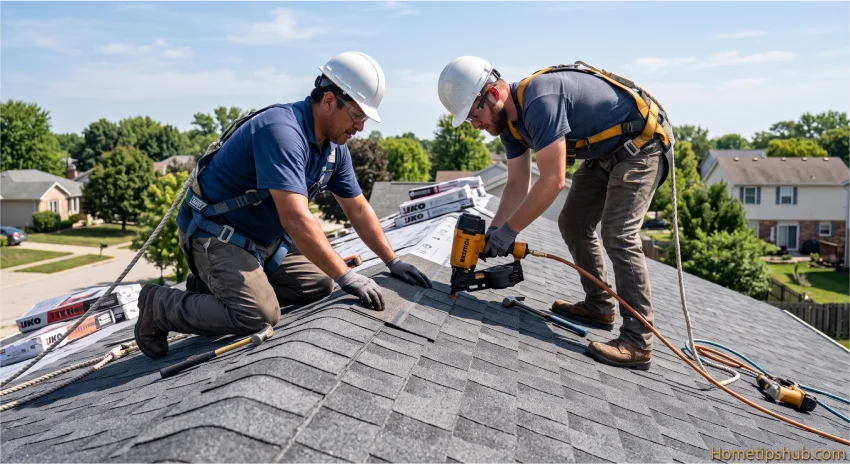
Understanding the process helps you know what to expect and gives you confidence when talking to contractors about roof replacement services.
- Inspection and Estimate — A roofing contractor examines your existing roof, checks the decking for rot, and provides a written estimate for the roof shingle replacement project.
- Material Selection — You choose your shingle type, color, and brand. This is also when you decide between standard asphalt shingle replacement or upgrading to architectural or premium shingles.
- Tear-Off — The old shingles, underlayment, and flashing are removed down to the roof deck.
- Deck Inspection and Repair — Any damaged or rotted plywood is replaced before installation continues.
- Underlayment and Flashing Installation — A water-resistant barrier and new flashing around chimneys, vents, and valleys are installed to prevent future leaks.
- Shingle Installation — New roof shingles are installed row by row, following manufacturer specifications for nail placement and overlap.
- Cleanup and Final Inspection — Debris and nails are cleared from the property, and a final walkthrough confirms the roof shingle installation meets quality standards.
Most residential roof shingle replacement projects take one to three days, depending on roof size, complexity, and weather conditions.
How Much Does Roof Shingle Replacement Cost?
Cost is often the biggest factor driving homeowners’ decisions. Roof shingle replacement pricing depends on roof size, shingle material, roof pitch, and your location, but here’s a general breakdown for the U.S. market.
| Roof Size (sq ft) | Asphalt Shingle Replacement Cost | Architectural Shingle Cost |
|---|---|---|
| 1,000 | $4,000 – $7,000 | $6,000 – $9,500 |
| 1,500 | $6,000 – $10,500 | $9,000 – $14,000 |
| 2,000 | $8,000 – $14,000 | $12,000 – $19,000 |
| 2,500 | $10,000 – $17,500 | $15,000 – $24,000 |
These figures cover labor and materials for standard roof shingle replacement. Costs can rise with steep rooflines, multiple layers of old shingles to remove, or extensive deck repair. Getting quotes from a few licensed roof replacement services in your area is the best way to nail down an accurate number for your specific home.
Choosing the Right Shingles for Your New Roof
Not all shingles are created equal, and picking the right material affects both the look and the longevity of your new roof shingles.
3-Tab Asphalt Shingles are the most budget-friendly option, offering a flat, uniform appearance and a lifespan of 15–20 years. They’re a solid choice for homeowners prioritizing cost.
Architectural (Dimensional) Shingles are thicker, more durable, and mimic the look of wood shakes or slate. They typically last 25–30 years and are now the most popular choice for residential roof shingle replacement in the U.S.
Premium/Designer Shingles offer the highest durability and best aesthetics, often lasting 30+ years, but come at a higher price point.
Impact-Resistant Shingles are engineered to withstand hail and severe weather, which can be a smart investment in storm-prone regions and may even lower your insurance premiums.
When comparing options for roof shingle installation, think about your climate, how long you plan to stay in the home, and your budget — not just the sticker price.
Choosing a Roofing Contractor for Shingle Replacement
Even the best shingles won’t perform well if they’re installed poorly. Here’s what to look for when hiring a professional for roof shingle replacement.
- Licensing and Insurance — Confirm the contractor is licensed in your state and carries liability and workers’ compensation insurance.
- Local Reputation — Look for reviews, references, and examples of completed residential roof shingle replacement projects in your area.
- Manufacturer Certification — Contractors certified by shingle manufacturers (like GAF or Owens Corning) often provide stronger warranties.
- Written Estimates — Get a detailed, itemized quote that specifies materials, labor, tear-off, and disposal costs.
- Warranty Coverage — Ask about both manufacturer warranties on materials and workmanship warranties on installation.
Avoid contractors who pressure you into same-day decisions or ask for full payment upfront — these are common red flags in the roofing industry.
How Long Does New Roof Shingle Installation Last?
With proper installation and regular maintenance, most new roof shingles last between 20 and 30 years. Factors that influence lifespan include:
- Quality of materials used
- Proper attic ventilation
- Climate and weather exposure
- Installation quality
- Ongoing maintenance, like clearing debris and addressing minor repairs promptly
Routine inspections — ideally twice a year and after major storms — help catch small issues before they require another full roof shingle replacement.
Frequently Asked Questions
How do I know if I need roof shingle repair vs replacement?
If damage is limited to a small area and the rest of your roof is under 15 years old, repair is usually sufficient. If more than 30% of the roof is damaged, or it’s over 20 years old, full replacement is typically the more cost-effective long-term solution.
How long does roof shingle replacement take?
Most residential roof shingle replacement projects take one to three days, depending on the size and pitch of the roof, weather conditions, and whether deck repairs are needed.
Can I replace roof shingles myself?
While it’s technically possible for a small, simple roof, professional installation is strongly recommended. Improper installation can void warranties, cause leaks, and create safety hazards. Most homeowners hire licensed roof replacement services for this reason.
What is the average cost of roof shingle replacement?
For a typical U.S. home, asphalt shingle replacement generally ranges from $4,000 to $17,500, depending on roof size, materials, and labor costs in your area.
How often should shingles be replaced?
Asphalt shingles generally need replacement every 20 to 25 years, though this can vary based on climate, shingle quality, and maintenance history.
Final Thoughts: Don’t Wait Until It’s an Emergency
Roof shingle replacement isn’t just about curb appeal — it’s about protecting your home’s structure, insulation, and everything inside it from water damage. Catching the warning signs early, understanding your repair vs. replacement options, and hiring a qualified contractor can save you thousands of dollars and a lot of stress down the road.
If your roof is showing signs of wear, don’t wait for a leak to force your hand. Contact a trusted local roofing contractor today for a free inspection and estimate, and get a clear, honest assessment of what your home actually needs.